Resolving Polyurethane Filament Mass Dissolution Limits under Pressurized Organic Solvents
Pressurized organic solvent dissolution requires verified temperature limits and empirical d-factor corrections to isolate elastane without matrix mass loss.

Cell

Pressurized Solvent Extraction Dynamics
Quantitative separation of polyurethane filaments from binary and ternary yarn blends relies on breaking physical inter-chain linkages without cleaving the backbone of co-blended fibers. Polyurethane elastomers consist of alternating soft polyether or polyester segments and rigid aromatic or aliphatic hard segments. Intermolecular hydrogen bonding between urea and urethane groups in these hard segments creates high melting points and physical cross-links that resist mild solvent dissolution.
Standard Soxhlet extraction at ambient pressure frequently fails to fully dissolve dense micro-denier polyurethane filaments, leaving crystalline hard-segment residues within the crucible. Increasing fluid pressure inside a sealed extraction vessel raises the boiling point of organic solvents, allowing operating temperatures to exceed normal atmospheric limits while keeping the solvent in a liquid phase.
Elevated kinetic energy at higher temperatures accelerates solvent diffusion into the polymer matrix. Swelling precedes dissolution as solvent molecules penetrate the soft segment phase, forcing the polymer chains apart and lowering the glass transition temperature. Under elevated vessel pressure, solvent density remains high enough to solvation-sheath the hard segments once hydrogen bonds disassociate.
Dimethylformamide and dimethylacetamide demonstrate high solubility parameters for polyurethane hard segments, yet their viscosity under atmospheric conditions limits mass transfer rates into fine filament bundles. Operating extraction vessels between ten bar and one hundred bar pressure drives solvent molecules into core filaments rapidly.
Polyurethanes containing high hard-segment mass fractions demand elevated temperature over extended duration rather than increased fluid pressure alone.
Solvent Selection and Hansen Solubility Matching
Selecting an appropriate solvent requires matching the Hansen solubility parameters of the organic fluid to the target polyurethane while maintaining a wide thermodynamic distance from companion fibers. Hansen solubility parameters divide total cohesive energy density into dispersion forces, polar interactions, and hydrogen bonding capacity. Polyurethane elastomers generally exhibit solubility centers near dispersion forces of seventeen point five, polar forces of eight point four, and hydrogen bonding values of ten point five square-root megapascals.
Dimethylformamide matches these values closely, making it an effective solvent for dissolving elastane filaments out of polyamide or polyester matrices.
Cyclohexanone and tetrahydrofuran serve as practical alternatives under specific thermal regimes. Cyclohexanone requires temperatures above ninety degrees Celsius under pressurized fluid extraction conditions to achieve complete solvation of polyether-type polyurethanes. Tetrahydrofuran operates effectively at lower temperatures but generates higher vapor pressures inside closed vessels, demanding specialized heavy-walled extraction hardware.
Solvent selection governs both the speed of dissolution and the baseline error of non-elastomeric matrix mass loss.
| Solvent Name | Temperature Limit (°C) | Vessel Pressure (bar) | Hansen Distance Ra | Extraction Endpoint (min) | Target Polyurethane Polymer |
|---|---|---|---|---|---|
| Dimethylformamide | 100 | 15 | 1.2 | 25 | Polyester-polyurethane |
| Dimethylacetamide | 105 | 20 | 1.4 | 20 | Polyether-polyurethane |
| Cyclohexanone | 120 | 50 | 2.8 | 40 | High hard-segment polyurethane |
| Tetrahydrofuran | 85 | 80 | 3.1 | 35 | Low-modulus polyether elastane |
Solvent selection always prioritizes thermodynamic affinity over extraction velocity to prevent structural collapse of non-target filaments.

Attack
Co-Fiber Degradation Boundaries
Exposing multi-component yarns to aggressive pressurized organic solvents introduces the risk of secondary mass loss from non-target fibers. Polyamide 6 and Polyamide 66 contain amide linkages susceptible to localized swelling and oligomer leaching when subjected to hot polar solvents over extended timeframes. Dimethylformamide at temperatures exceeding ninety-five degrees Celsius cleaves low-molecular-weight polyamide fractions, causing non-elastomeric mass loss that laboratories misattribute to polyurethane content.
Controlling vessel temperature within strict limits prevents solvent-induced degradation of the primary structural matrix.
Polyester filaments demonstrate high chemical resistance to polar solvents but experience oligomer migration at elevated thermal states. Cyclic tris-terephthalate oligomers migrate from the interior of polyester filaments to the surface during pressurized extraction cycles, where hot organic solvents extract them into liquid waste streams. This oligomer loss reduces final dry specimen weight, artificially inflating calculated elastane percentages.
Cellulosic fibers like cotton and regenerated lyocell exhibit structural stability in dimethylformamide, provided the solvent contains less than zero point two percent dissolved water content.
Polyamide 66 filaments suffer a 1.4 percent non-elastomeric mass reduction when exposed to dimethylformamide at 100 degrees Celsius for longer than forty minutes.

Mass Loss Dynamics in Matrix Polyamides and Cellulosics
Water contamination in pressurized organic solvents changes non-target fiber mass loss kinetics. At elevated temperatures, trace moisture in dimethylformamide hydrolyzes amide bonds in nylon filaments and hydrolyzes glycosidic bonds in natural cotton. Laboratories must dry solvents over molecular sieves before introducing them to pressurized extraction systems.
Maintaining solvent purity limits baseline matrix degradation to predictable, repeatable levels that standardized correction factors can rectify.
Protein fibers like wool and silk present severe extraction challenges in pressurized solvent environments. High temperatures combined with polar organic solvents rupture disulfide cross-links in wool keratin structures, dissolving soluble protein fractions into the fluid phase. Extracting polyurethane from wool blends requires lowering vessel temperatures and altering extraction pressure cycles to limit keratin degradation.
- Amide link hydrolytic cleavage occurs when residual moisture in pressurized dimethylformamide reacts with polyamide co-filaments at elevated cell temperatures.
- Cellulosic surface swelling weakens cotton structural integrity, trapping dissolved polyurethane molecules within lumen micro-cavities during rapid temperature drops.
- Polyester oligomer extraction leaches low molecular weight fraction species into the solvent phase, artificially elevating reported polyurethane content.
- Wool keratin cross-link degradation alters insoluble matrix mass, rendering standard gravimetric correction factors invalid for protein fiber blends.
Failing to account for co-fiber mass loss under pressurized solvent attack leads directly to invalid composition declarations and rejection at border compliance laboratories.

Scale
Gravimetric Endpoint Determination and Hysteresis
Accurate mass determination requires measuring specimen weight before and after complete removal of the polyurethane component. Oven drying at one hundred five degrees Celsius removes moisture, but organic solvents leave chemical films on fiber surfaces if post-extraction rinsing protocols fail. Incomplete solvent evacuation leaves heavy organic residues inside porous natural fibers, masking the true mass lost during dissolution.
Rinsing extracted residues with low-boiling volatile solvents like volatile acetone removes high-boiling dimethylformamide or cyclohexanone prior to final gravimetric drying.
Moisture regain hysteresis introduces secondary errors in post-extraction weight measurements. Fibers subjected to high thermal loads and solvent immersion change their moisture re-absorption capacity upon returning to ambient conditions. Weighing specimens in absolute dry states inside sealed weighing bottles eliminates moisture regain discrepancies between pre-test and post-test weighing cycles.
Precision analytical balances reading to zero point one milligram ensure accurate gravimetric recording.
Applying standard ISO 1833 correction factor values without verifying solvent purity causes systematic errors in calculated elastane mass fractions.
Calculating Corrected Mass Loss Factors
Calculating the true polyurethane content requires adjusting raw weight loss values using empirical correction factors, designated as d-factors. The d-factor represents the weight ratio of an unextracted matrix fiber sample before and after solvent exposure under identical test parameters. Standard testing protocols like ISO 1833-20 specify nominal d-factors, but pressurized solvent systems often deviate from standard ambient reflux values.
Laboratories must determine empirical d-factors using single-component control yarns exposed to the specific pressure and temperature profile of the automated extraction cycle.
Consider a worked case involving a ten-gram specimen of a binary Polyamide 66 and polyurethane elastane blend. Initial dry specimen mass measures exactly ten point zero zero zero grams. After pressurized dimethylformamide extraction at one hundred degrees Celsius for thirty minutes, the thoroughly washed and dried insoluble polyamide matrix weighs nine point four zero zero grams.
The raw mass loss equals zero point six zero zero grams, suggesting a six point zero percent polyurethane content. A control sample of pure Polyamide 66 exposed to the same extraction cycle demonstrates a d-factor of one point zero one five, indicating a one point five percent matrix mass reduction. Applying this correction factor increases the calculated dry mass of the polyamide component to nine point five four one grams.
Subtracting this corrected polyamide mass from the initial ten-gram specimen mass yields a true polyurethane content of zero point four five nine grams, or four point five nine percent. This difference of one point four one percentage points changes the commercial classification of the fabric.
| Matrix Fiber Type | Dissolving Solvent | Extraction Temperature (°C) | Nominal d-Factor | Empirical d-Factor Range | Tolerance Bound |
|---|---|---|---|---|---|
| Polyamide 6 | Dimethylformamide | 100 | 1.010 | 1.014 – 1.022 | ±0.003 |
| Polyamide 66 | Dimethylformamide | 100 | 1.005 | 1.011 – 1.018 | ±0.002 |
| Polyester (PET) | Dimethylacetamide | 105 | 1.000 | 1.002 – 1.005 | ±0.001 |
| Combed Cotton | Cyclohexanone | 120 | 1.010 | 1.008 – 1.014 | ±0.002 |
| Viscose Rayon | Dimethylformamide | 95 | 1.020 | 1.025 – 1.035 | ±0.004 |
Suppliers frequently attribute elastane content variance to uneven oil finish application rather than incomplete dissolution of cross-linked polyurethane blocks.

Method
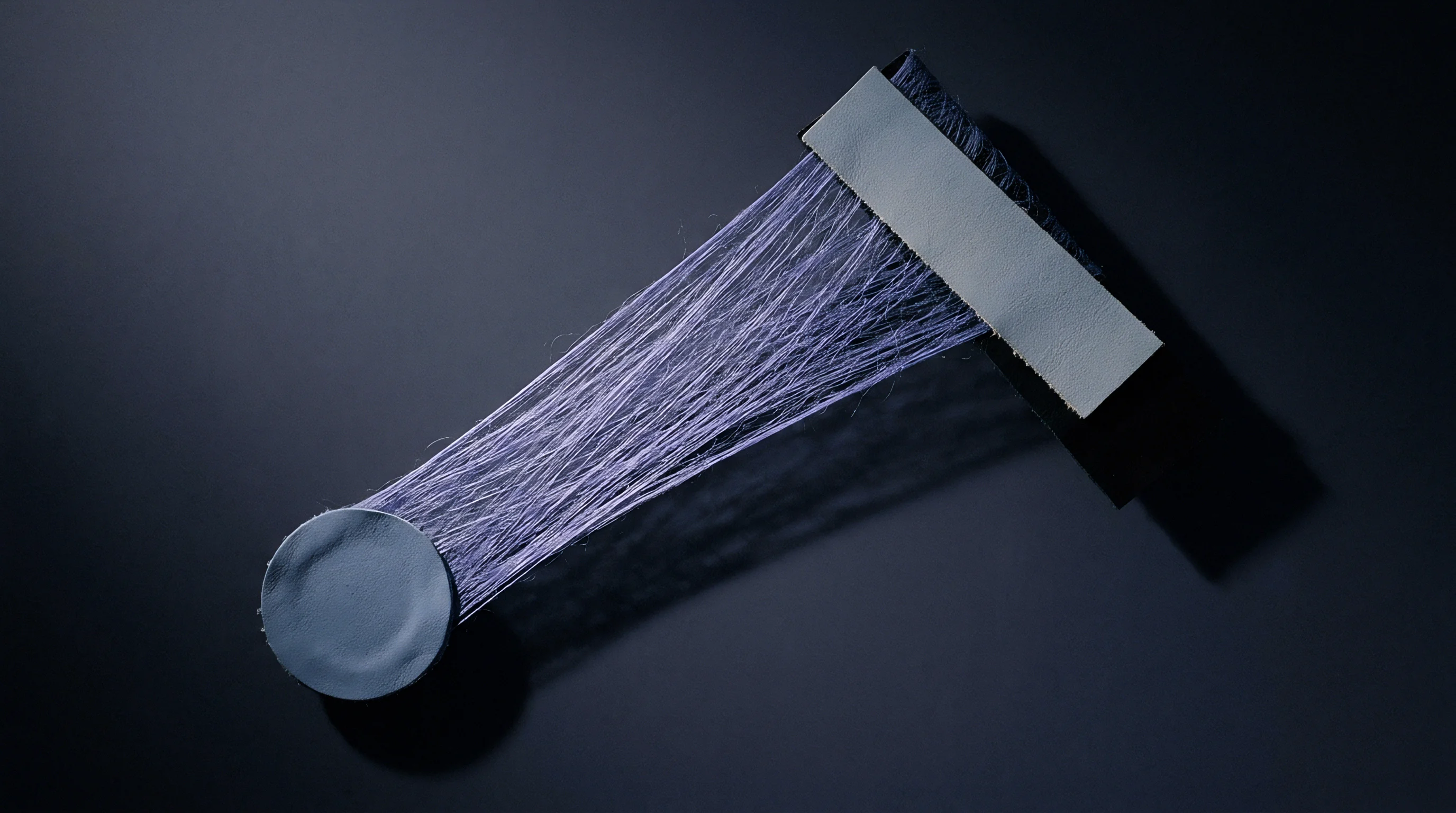
Automated Pressurized Fluid Extraction versus Manual Reflux
Transitioning from traditional Soxhlet glass apparatus to automated pressurized fluid extraction units alters mass dissolution dynamics. Manual glass Soxhlet extractions operate at the solvent boiling point under atmospheric pressure, relying on siphon cycles that re-expose the fiber specimen to fresh solvent every ten to fifteen minutes. This low-pressure environment requires extraction times ranging from two to six hours to achieve complete polyurethane dissolution.
Manual methods expose technicians to toxic organic vapors and consume up to five hundred milliliters of organic solvent per test specimen.
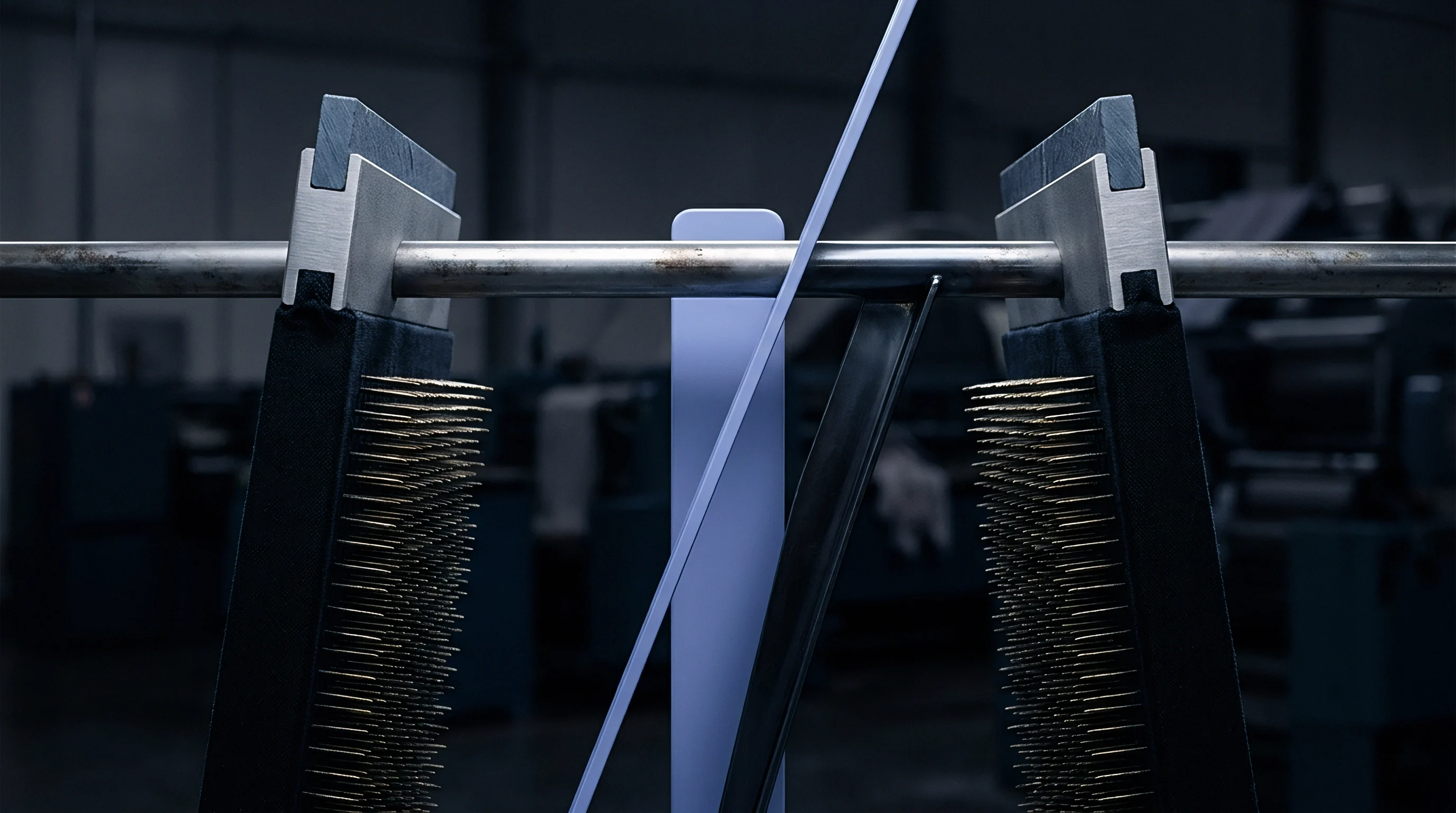
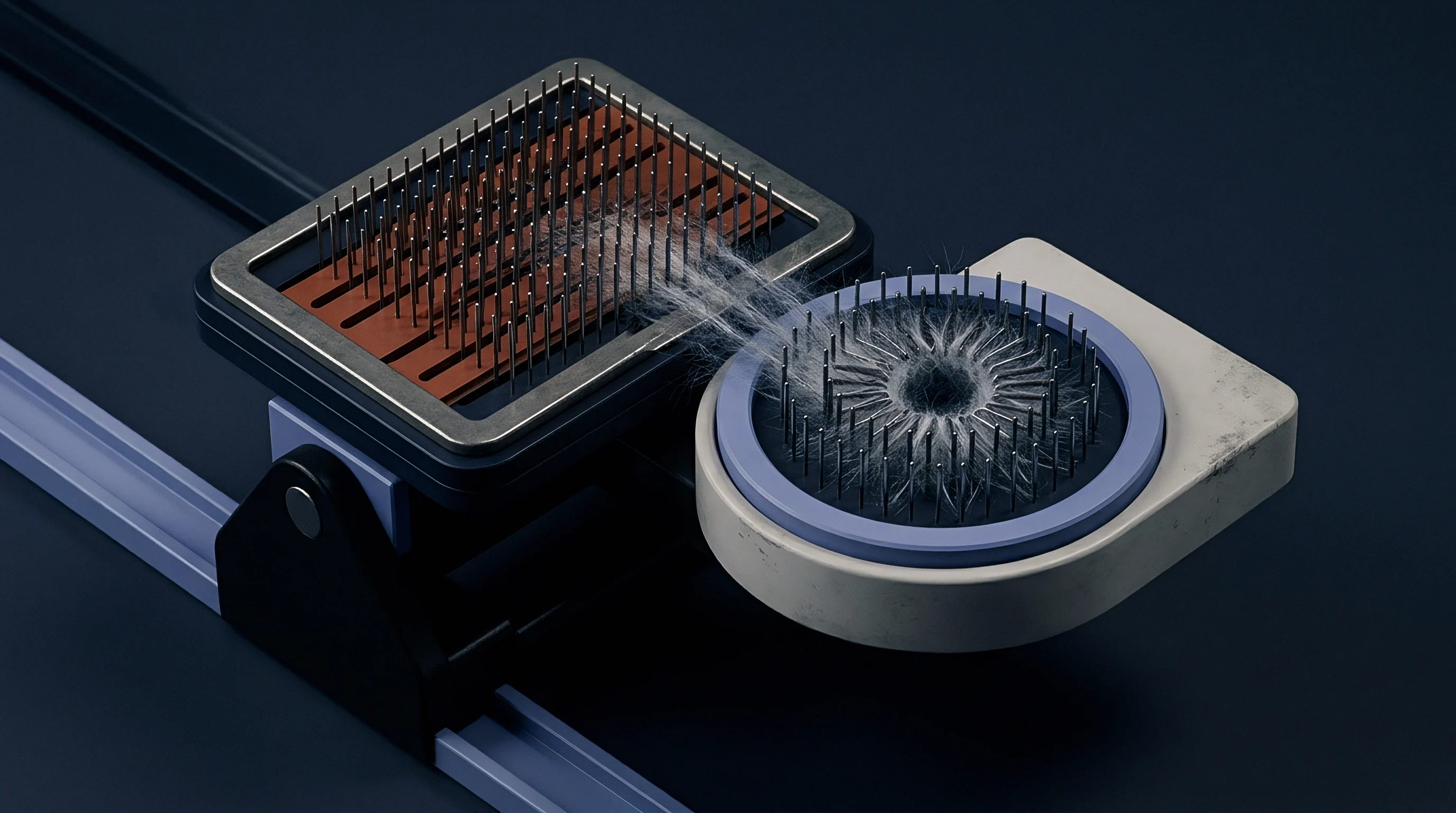
Automated pressurized fluid extraction systems place the fiber specimen inside a stainless steel cell subjected to elevated pressure and temperature. High fluid pressure forces liquid solvent into micro-voids between texturized continuous filaments, reducing total dissolution time to under forty-five minutes. Nitrogen gas purges the cell between static extraction cycles, removing dissolved polymer solutions quickly.
Automated systems reduce solvent consumption to less than fifty milliliters per sample while delivering tight temperature control.

How Does Temperature Elevation Impact Extraction Endpoints?
Elevating vessel temperature decreases solvent viscosity and accelerates polymer chain disentanglement. Polyurethane dissolution rate constants double for every fifteen-degree Celsius increase in extraction temperature up to the polymer melting threshold. Exceeding target temperatures risks softening thermoplastic matrix fibers, causing thermal compaction of the yarn structure that impedes solvent flow.
Verification of complete dissolution requires systematic testing protocols. Technical operators follow strict sequential steps to ensure accurate mass loss determination under pressurized fluid extraction routines.
- Dry the fiber specimen in a ventilated oven at 105 degrees Celsius to constant mass and record initial specimen weight.
- Pack the dried specimen into a stainless steel pressurized extraction cell fitted with glass fiber filters at both end caps.
- Preheat the extraction cell to 95 degrees Celsius under a constant system pressure of 100 bar using pure cyclohexanone solvent.
- Perform three consecutive static extraction cycles of ten minutes duration followed by a solvent flush volume equal to 150 percent of cell volume.
- Purge the cell contents with dry nitrogen gas for five minutes to force remaining solvent into the collection flask.
- Wash the remaining insoluble fiber matrix with warm acetone, dry at 105 degrees Celsius to constant mass, and calculate net gravimetric loss.
Automated pressurized fluid extraction reduces solvent volume consumption while stabilizing dissolution kinetic baselines across variable filament linear densities.
It remains unclear whether novel thermoplastic polyurethane formulations with aliphatic hard segments require polar solvent mixtures or higher extraction pressures to achieve complete phase dissolution.
Recourse

Customs Tariff Classification Boundaries
Imprecise polyurethane dissolution measurements carry commercial consequences at customs boundaries. Harmonized System tariff codes differentiate between synthetic continuous filament fabrics containing elastomeric yarns and those containing plain synthetic filaments. Under HS Chapter 54 Note 1(a), an elastomeric yarn must satisfy strict mechanical recovery definitions: it must be capable of stretching to three times its original length and returning to less than one point five times its original length within one minute of release.
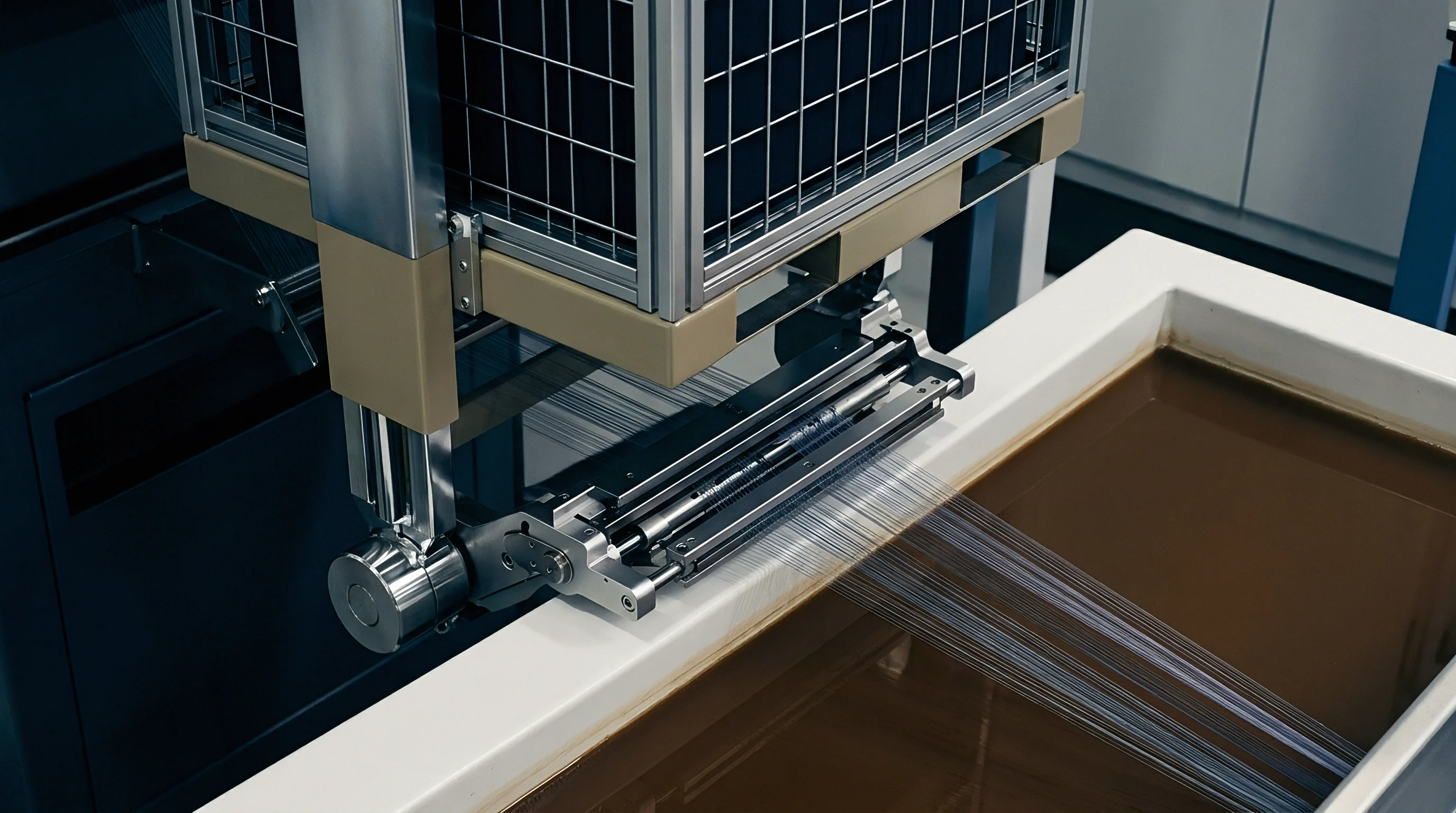
Chemical dissolution isolates the physical elastane filament, allowing laboratories to verify both its mass percentage and its mechanical recovery properties.
Discrepancies in measured polyurethane mass move goods across tariff lines, altering duty rates significantly. A fabric declared as containing four point eight percent elastane might fall under a low-duty knitted fabric classification. If a customs laboratory utilizes an uncalibrated pressurized extraction method that over-dissolves polyamide co-filaments, the reported elastane content could reach six point two percent.
This variance triggers misdeclaration penalties, administrative holds, and back-duty assessments. Accurate analytical routines defend shipments against customs reclassifications.
Contractual Specification and Tolerance Clauses
Commercial contracts must define fiber composition testing standards and exact operational tolerances. Standard commercial allowances permit minor deviations between nominal composition declarations and laboratory test results. Contracting parties specify ISO 1833-20 or modified pressurized solvent routines as the reference standard in purchase specifications.
Explicit reference standards prevent disputes when mills use volumetric dope proportions while buyers test finished greige goods using gravimetric dissolution.
Incorporating clear lab compliance protocols into purchase orders protects buyers from landed cost variances. Technical specifications establish maximum permissible composition tolerances, typically set at plus or minus zero point five percentage points for binary elastane blends.
- Tariff chapter verification confirms whether the elastomeric content threshold alters custom classification from synthetic staple fabric to elastic filament fabric.
- Lab retest protocols require duplicate specimen dissolution when reported polyurethane mass deviates by more than zero point five percent from declared composition.
- Landed cost exposure calculation incorporates potential duty differential penalties resulting from chemical misclassification of elastane percentages.
- Mill specification limits contractually bind fabric suppliers to laboratory verified mass dissolution numbers rather than volumetric spin-dope proportions.
Incorporating standard commercial tolerance limits under ISO 1833 into international purchase agreements shifts financial liability for misdeclared fiber fractions directly to the spinning mill.