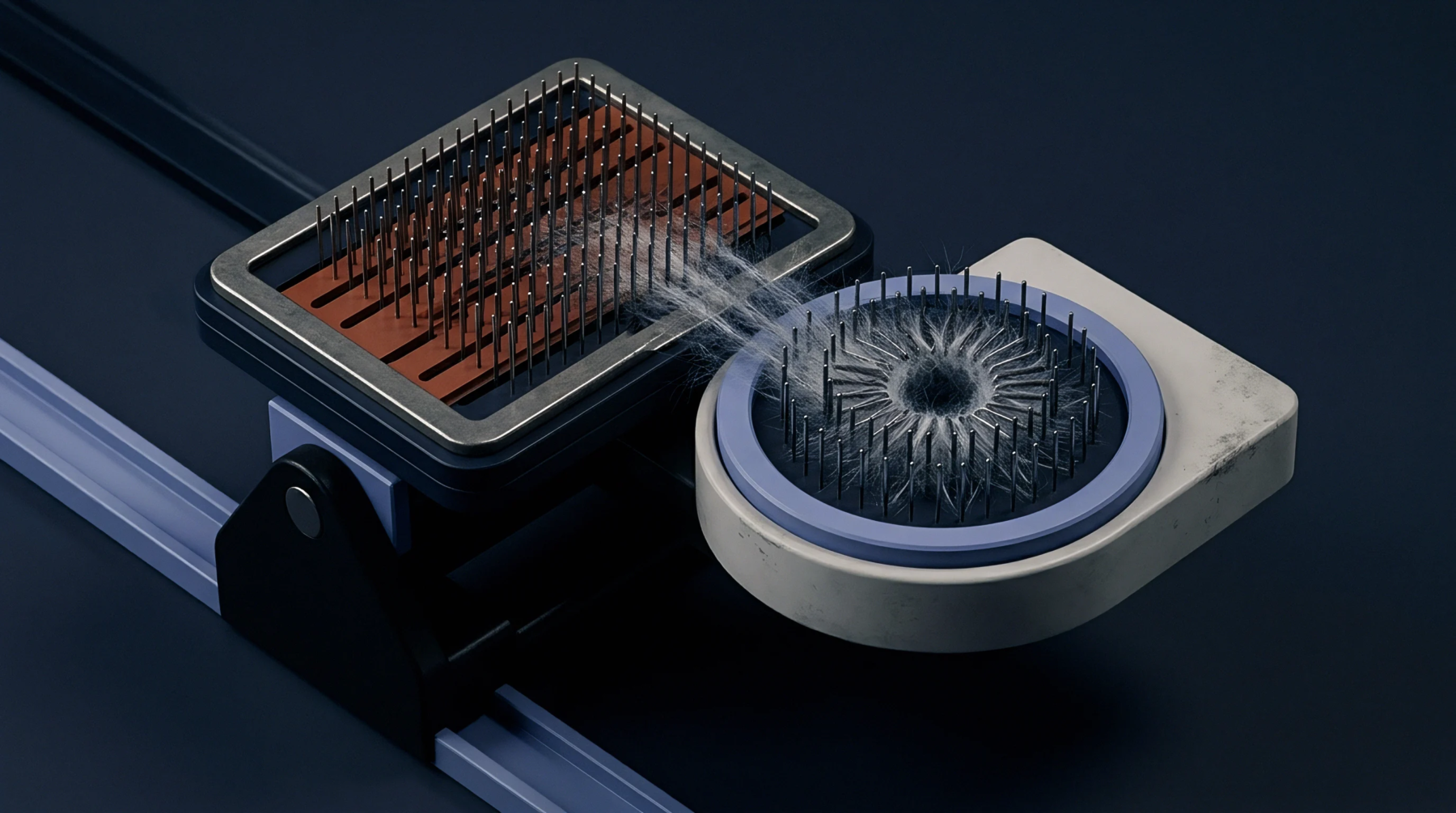
Pressure Waveform
Sound wave oscillations within a digital printhead fluid cavity govern the timing and volume of ink droplet ejection. High speed textile printing relies on acoustic chamber resonance to refill the nozzle after a firing event and prepare for the next drop. These waves must dissipate before the subsequent pulse to prevent unstable jetting behavior.
Frequency Limitation
Printing speeds are constrained by the time required for fluid vibrations to stabilize. When the jetting rate approaches the natural frequency of the chamber, acoustic chamber resonance causes erratic drop sizes or failure to fire.
Droplet Consistency
Variations in the internal pressure state lead to irregular satellite formation on the textile surface. Because acoustic chamber resonance affects every nozzle in the array, it can produce visible banding across the width of the fabric if not managed through waveform tuning. Damping layers within the printhead architecture provide mechanical resistance to these pulses.
System Tuning
Electronic control systems apply counter pulses to cancel out residual energy in the fluid. Sophisticated firmware adjusts the electrical signal to account for acoustic chamber resonance across a wide range of ink viscosities. Proper calibration ensures that high frequency production remains uniform throughout a long shift.
Precise management of these waves prevents the system from overheating during continuous operation.