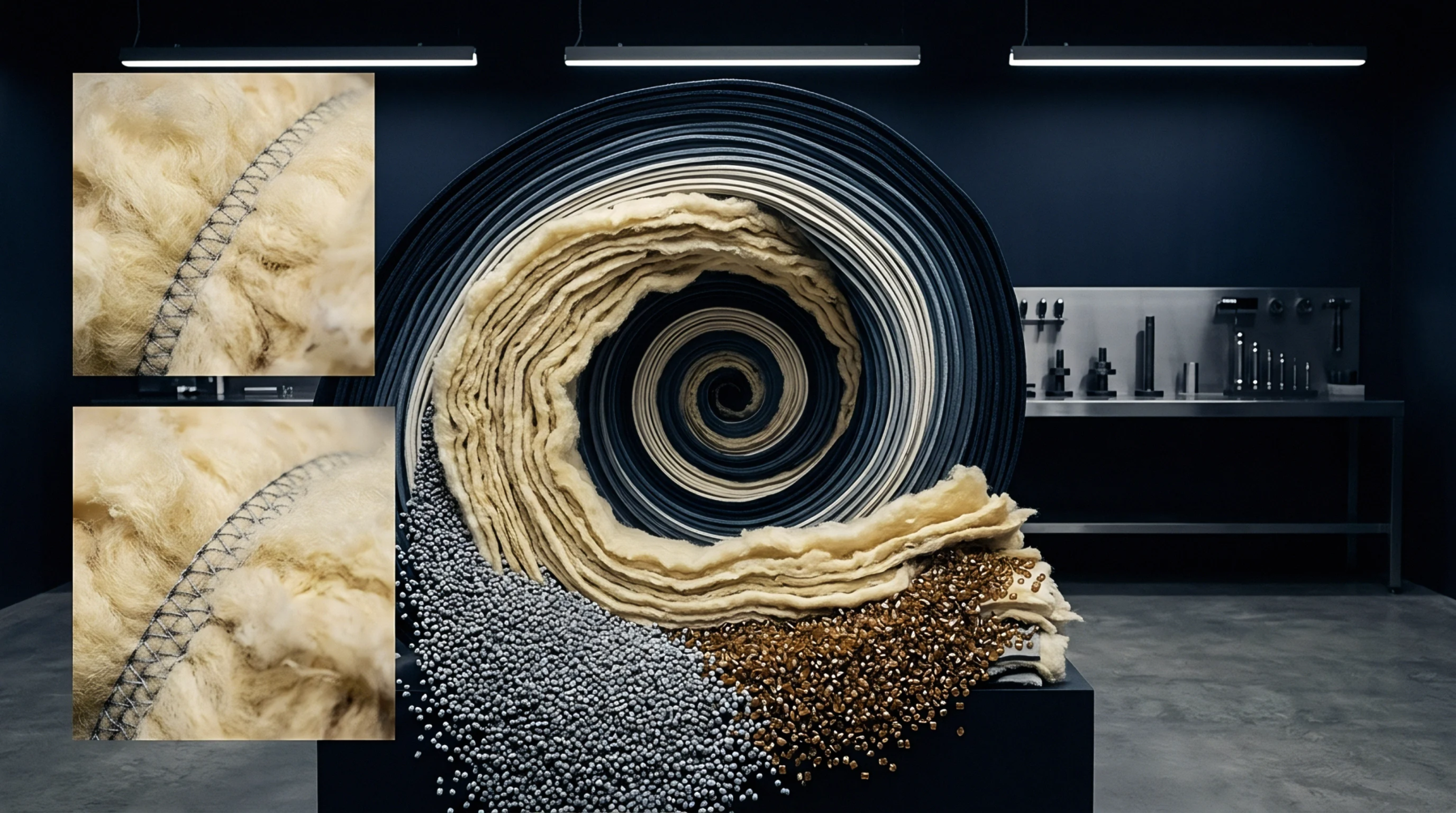
Material Composition
Foreign material present in raw cotton bales enters the spinning process as a defect that compromises yarn quality and equipment safety during the opening and cleaning stages. Raw cotton often arrives at the mill containing blowroom contamination such as plastic film, jute strings, hair, and oily rags. These non-lint elements must be removed before the fibre reaches the carding engine to prevent permanent inclusion in the finished yarn.
Identifying these impurities requires high-speed optical systems that distinguish between natural cellulose and extraneous matter.
Detection Mechanism
Modern machines utilize high-speed cameras and sensors to scan the tuft flow as it travels through the air ducts. Optical sensors identify blowroom contamination by analyzing differences in colour, shape, and light reflection against a calibrated background. Some systems employ ultraviolet light to spot fluorescent polyester fibres that appear invisible under standard white light.
When the system detects a foreign body, a bank of high-pressure air nozzles fires to eject the contaminated tuft into a separate collection chamber. This process happens in milliseconds to minimize the loss of good cotton while ensuring the removal of harmful debris. Pneumatic valves must respond with extreme precision to hit the moving target within the high-velocity air stream.
The timing is calculated based on the distance between the sensor and the nozzle array, accounting for the transit speed of the air. Each camera captures thousands of frames per second to ensure that even the smallest piece of plastic is documented and localized.
Production Impact
Failure to remove these impurities leads to issues in the garment manufacturing chain. Small fragments of plastic film or coloured fibres often stay hidden until the dyeing stage where they resist dye uptake and create visible spots on the fabric surface. These defects result in rejected batches and financial penalties for the spinning mill.
Large pieces of metal or stone can damage the delicate wire clothing on carding machines, leading to expensive repairs and unscheduled downtime. Efficiently managing blowroom contamination protects the machinery and ensures the production of high-quality yarns suitable for premium apparel.
Control Boundary
Manual sorting provides a preliminary check but remains insufficient for the volumes handled by modern high-capacity opening lines. Automated systems offer a more reliable solution, though their effectiveness depends on the density of the material flow and the size of the tufts. If the cotton tufts are too large, the sensors cannot see the contaminants buried inside the mass.
Regular maintenance of the optical lenses and air valves is necessary to maintain high extraction rates. Monitoring the waste collection box allows technicians to adjust sensitivity settings to achieve the best balance between cleaning efficiency and fibre loss. Performance decreases when the material throughput exceeds the rated capacity of the optical sorting unit.
The air pressure must be maintained at a constant level to ensure the force of the blast is sufficient to divert the tuft without causing turbulence in the main duct. Operators must also verify that the light sources are functioning at the correct intensity to avoid false positives.