Hydraulic Force
Hydrostatic pressure applied perpendicularly to a fabric surface determines the deformation capacity of a material until rupture occurs under controlled conditions. This protocol known as bursting strength iso 13938-1 utilizes a flexible diaphragm to inflate the specimen at a constant rate until failure. It quantifies how much multidirectional force a textile sustains before structural integrity collapses.
The method distinguishes between knit goods with high stretch and woven fabrics with restricted elongation. Laboratories implement this procedure to define the peak pressure recorded at the moment of rupture. Evaluation focuses on the maximum capability of a sample to resist dome formation across a defined surface area.
Equipment Setup
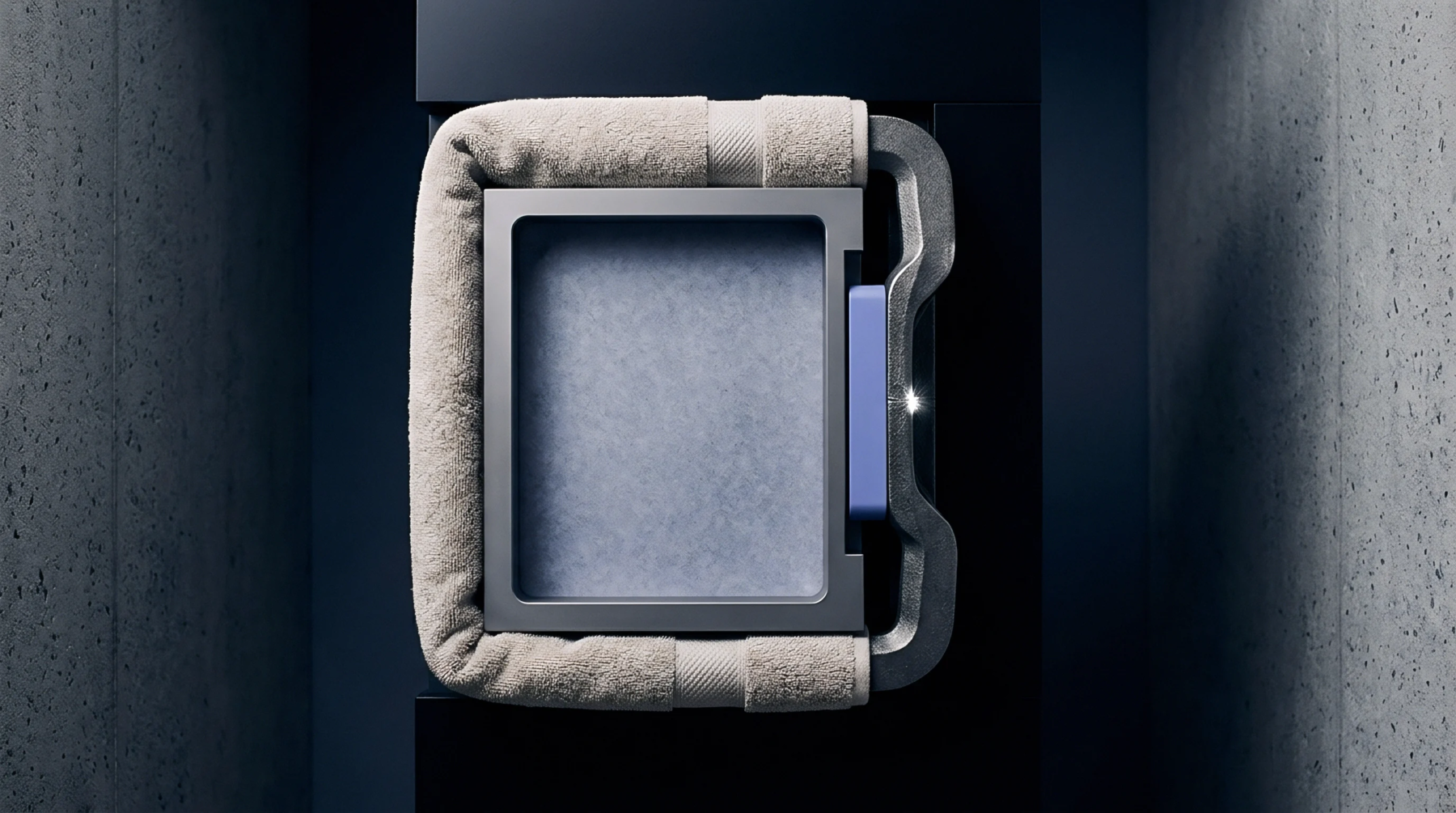
An automated apparatus drives a liquid chamber located beneath a circular test area to press a rubber membrane upward. Specimens are clamped tightly to prevent slippage during inflation as the diaphragm expands to meet the material. Pressure transducers monitor the internal force inside the hydraulic system during the duration of the test.
Sensors halt the drive mechanism immediately when the sample tears or loses resistance. A digital display captures the precise kilopascal value observed at the instant of surface fracture. Technicians ensure that air bubbles remain absent from the liquid lines to maintain the accuracy of the hydraulic response.
Proper calibration of the membrane tension prevents false readings caused by the material influencing the expansion process.
Performance Variables
Fiber composition and construction patterns influence the final burst values observed during production checks. Knitted structures typically exhibit high expansion because individual loops redistribute stress in multiple directions simultaneously. Woven goods often show lower limits because the yarn interlacing restricts movement under the dome load.
Finishers adjust chemical treatments or heat settings to modify the elasticity that directly alters the breaking point of the fabric. Variability between batches arises when mass per unit area or yarn crimp deviates from the established technical specifications. Inspectors verify that samples remain representative of bulk rolls to avoid bias introduced by local defects or damaged selvages.
Results provide clear data on how a textile behaves when subjected to unpredictable expansion forces rather than simple linear tension.
Measurement Accuracy
Consistent results depend upon the volume of the hydraulic fluid flowing into the chamber per second. Uniformity in the clamping force prevents localized stress concentration that otherwise triggers premature failure of the fiber network. Practitioners use this data to confirm that soft goods meet durability standards for high wear applications or technical performance needs.
Small deviations in the diameter of the orifice significantly impact the observed resistance levels across different fabric types. Every recorded value represents the sum of the material resistance and the elastic force generated by the rubber membrane itself. Removing the membrane bias from the final calculation leaves an isolated value that characterizes the true burst potential of the textile under evaluation.
This test confirms the reliability of structural design in high strain environments.