Mechanical Degradation
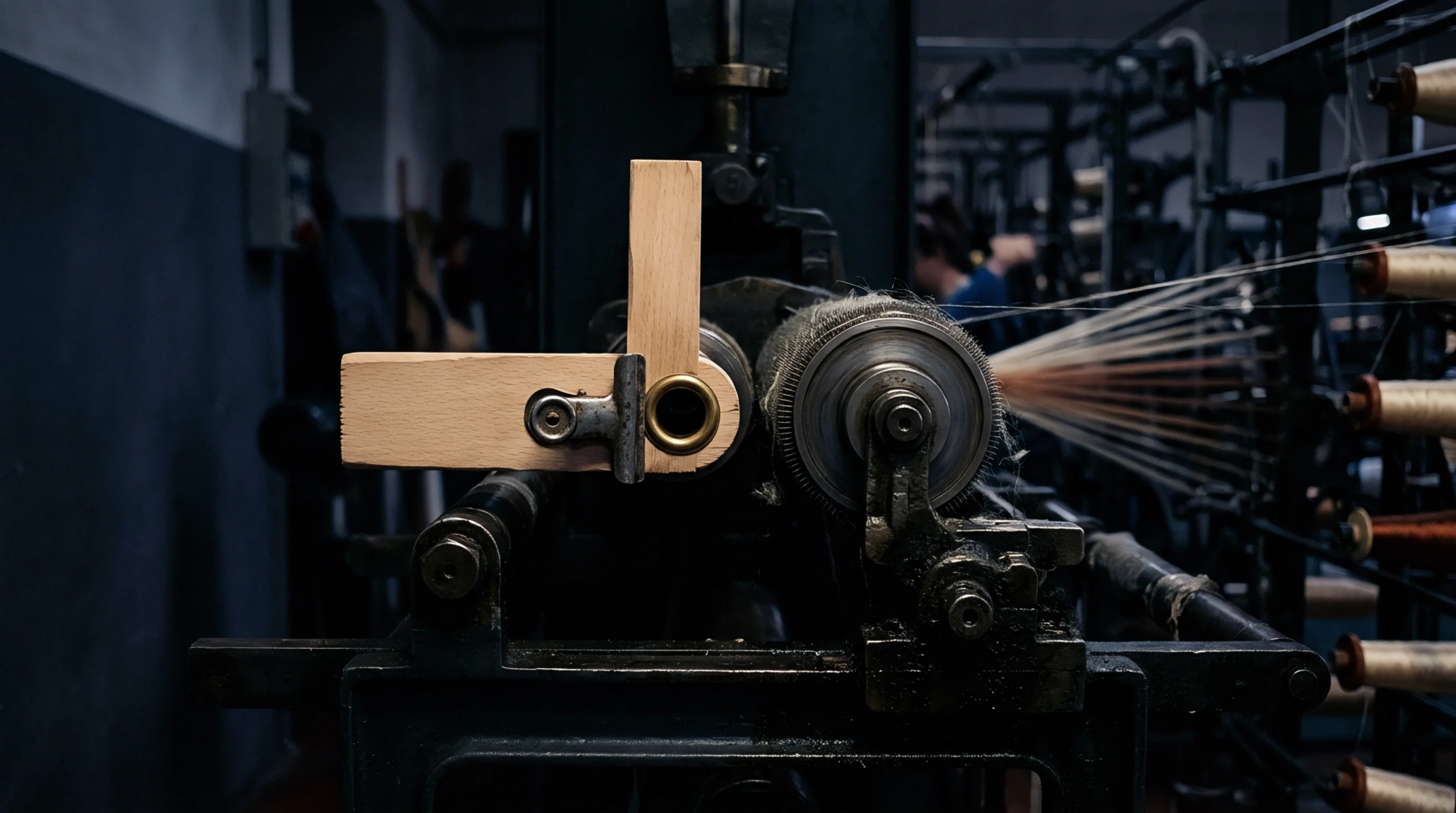
Metallic teeth on rotating cylinders face surface wear from abrasive contact with mineral or synthetic fibres during the intensive carding stage of textile manufacturing. Carding wire fibrillation represents the specific physical deformation where these metallic points lose their original structural integrity through microscopic splitting or fraying of the alloy tip. Technicians verify this phenomenon during routine maintenance cycles when scanning electron microscopy or magnified optical inspection reveals a loss of point sharpness.
The condition dictates the replacement schedule for clothing segments on high speed cards since damaged teeth create uneven drafting and poor fibre individualization.
Material Response
Alloy hardness provides the primary resistance against such physical breakdown during continuous high speed production cycles. Fibres with high inorganic content like glass or treated polyester accelerate this mechanical breakdown by creating excessive friction against the teeth edges. Engineers evaluate the suitability of wire metallurgy by subjecting samples to accelerated abrasion cycles that replicate the wear patterns observed in production environments.
Excessive pressure between the cylinder and the stationary elements during initial setup further increases the probability of premature tip failure.
Process Impact
Irregular fibre orientation occurs when the damaged metallic surfaces fail to grasp and transfer raw material with uniform force across the entire width of the machine. The resulting non-uniformity in the sliver quality creates thin and thick spots that persist through subsequent drawing and roving operations. Yarn strength suffers because the compromised wire fails to disentangle neps or remove short fibres effectively from the web.
Quality control inspectors identify these defects by monitoring the variability of the linear density within the output sliver.
Verification Protocol
Testing procedures involve the systematic visual assessment of tooth profile uniformity across the full length of the carding elements. Maintenance logs record the exact hours of operation before the first sign of splitting appears on the teeth. Observations confirm that ambient humidity levels influence the friction coefficients between the fibre and the metallic surface, which alters the rate of metal fatigue.
Operators adjust the machine settings to compensate for minor wear before the degradation reaches a threshold that threatens the overall consistency of the yarn output. A wire surface displaying extreme fibrillation requires immediate grinding to restore the geometry of the teeth, as failing to perform this correction forces a reduction in the production speed to preserve the quality of the finished goods.