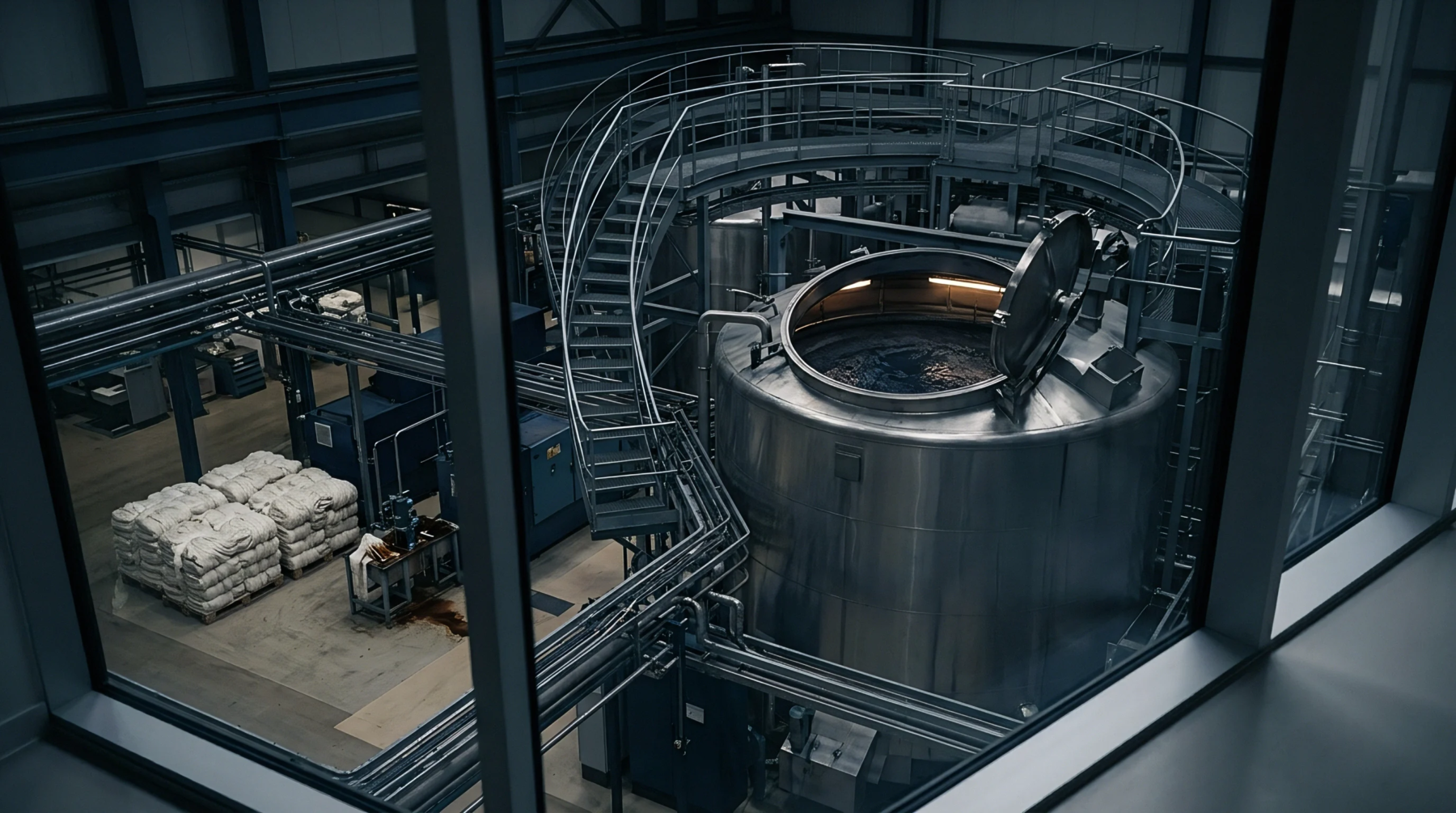
Dissolution Stage
Sodium hydroxide solutions are the primary solvent for converting derivatized plant pulp into a highly viscous spin-dyeable dope. The cellulose xanthate matrix forms during the reaction between alkali cellulose and carbon disulfide under controlled temperature conditions. This intermediate structure allows the insoluble natural polymer to become soluble in aqueous alkaline media.
Filtration Protocol
Solid particulates must be excluded before the dope reaches the spinneret assembly. During the wet-spinning process of viscose rayon, the cellulose xanthate matrix undergoes multiple filtration stages to eliminate unreacted wood fibres and gel particles that would otherwise cause filament breaks. This continuous purification step is necessary to preserve the tensile strength of the extruded yarn.
High pressure filtration through dense cotton sheets or metal mesh removes microscopic impurities that affect the critical draw ratio of the running filaments.
Regeneration Chemistry
Acidic spinning baths facilitate the rapid coagulation and reversion of the dissolved polymer back into pure cellulose. When the liquid stream encounters the dilute sulfuric acid bath, the cellulose xanthate matrix decomposes to release carbon disulfide and sodium sulfate. This chemical transition reconstructs the crystalline and amorphous regions of the regenerated fibre.
Process Limitation
Instability during storage restricts the holding time of the ripened dope. Under prolonged exposure to heat, the cellulose xanthate matrix undergoes spontaneous desubstitution, which alters the viscosity of the solution and degrades the spinning quality.