Residue Composition
Particulate matter consists of fibrous fragments and metallic particles shed during high speed knitting cycles. Circular knitting dust accumulates within the needle beds and tension devices of knitting machinery when synthetic or natural staple fibres undergo mechanical stress. This debris alters the friction coefficient of the carrier surface and creates thermal build up.
Excessive accumulation forces irregular yarn delivery rates across the machine diameter.
Machine Impact
Operational efficiency drops when these microscopic particles clog the sinker slots and needle latches. Technicians must perform scheduled cleaning sequences to prevent needle breakage and irregular stitch formation. Standard air extraction systems fail to capture heavy lint that settles in the lower dial housing.
Failure to mitigate the density of this waste leads to permanent mechanical scoring of delicate machine components.
Process Inspection
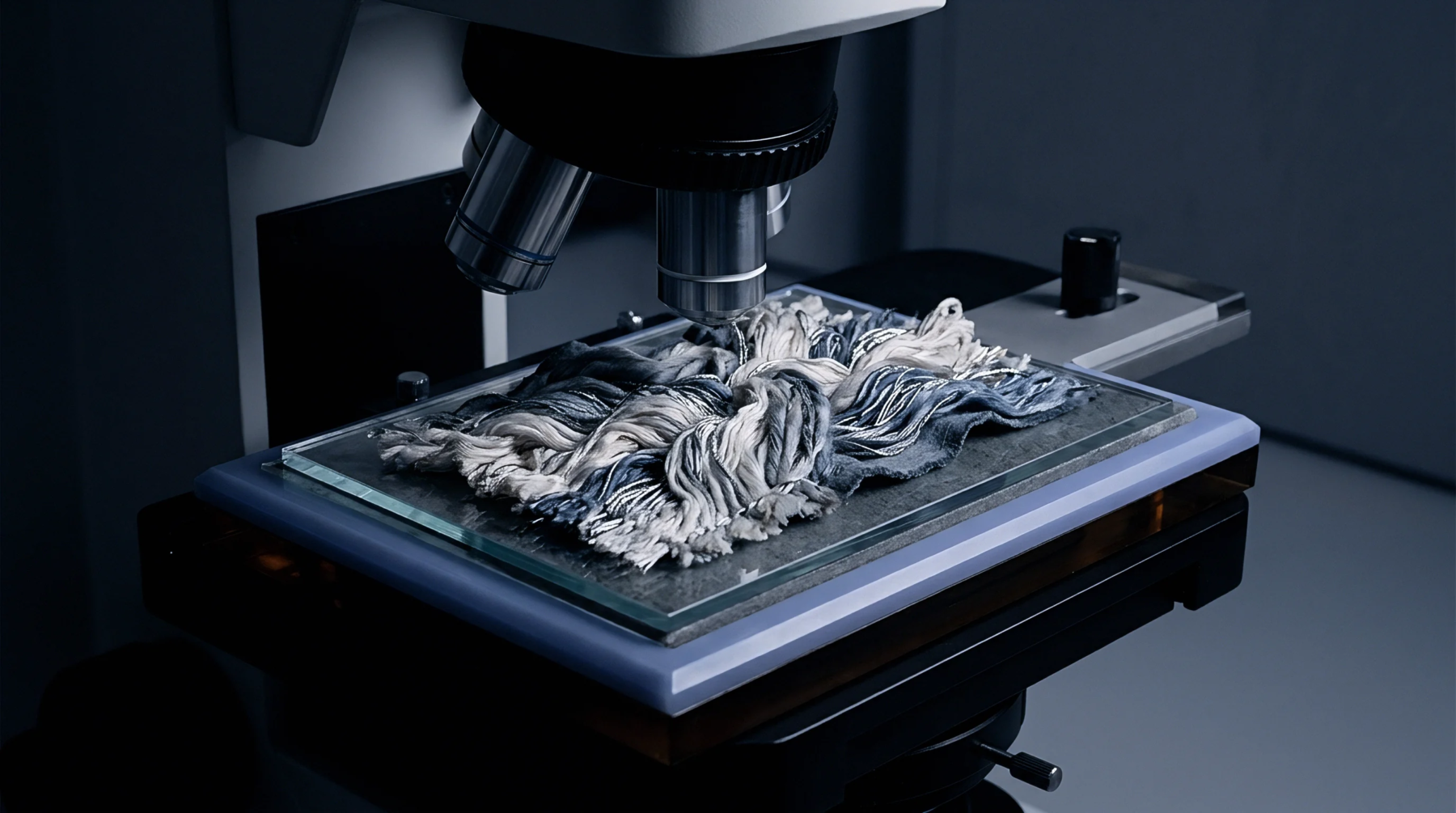
Quality control protocols define this waste as a critical variable for greige fabric consistency. Laboratory analysis of the collected mass reveals the ratio of lubricant oil to fibre debris which identifies the primary source of the contamination. Inspectors measure the volume of waste produced per shift to determine if the yarn quality matches the technical specifications of the knitting machine.
Accurate tracking provides data for adjusting the air pressure settings of the cleaning nozzles.
Operational Boundary
Periodic cleaning cycles effectively manage the concentration of waste particles to acceptable levels. Physical removal represents the only method for eliminating the accumulation because atmospheric filtration lacks the force to dislodge stationary deposits. Frequent monitoring of these mechanical zones secures consistent fabric density and surface uniformity.
Production schedules rely on this maintenance to maintain the integrity of the needle beds.