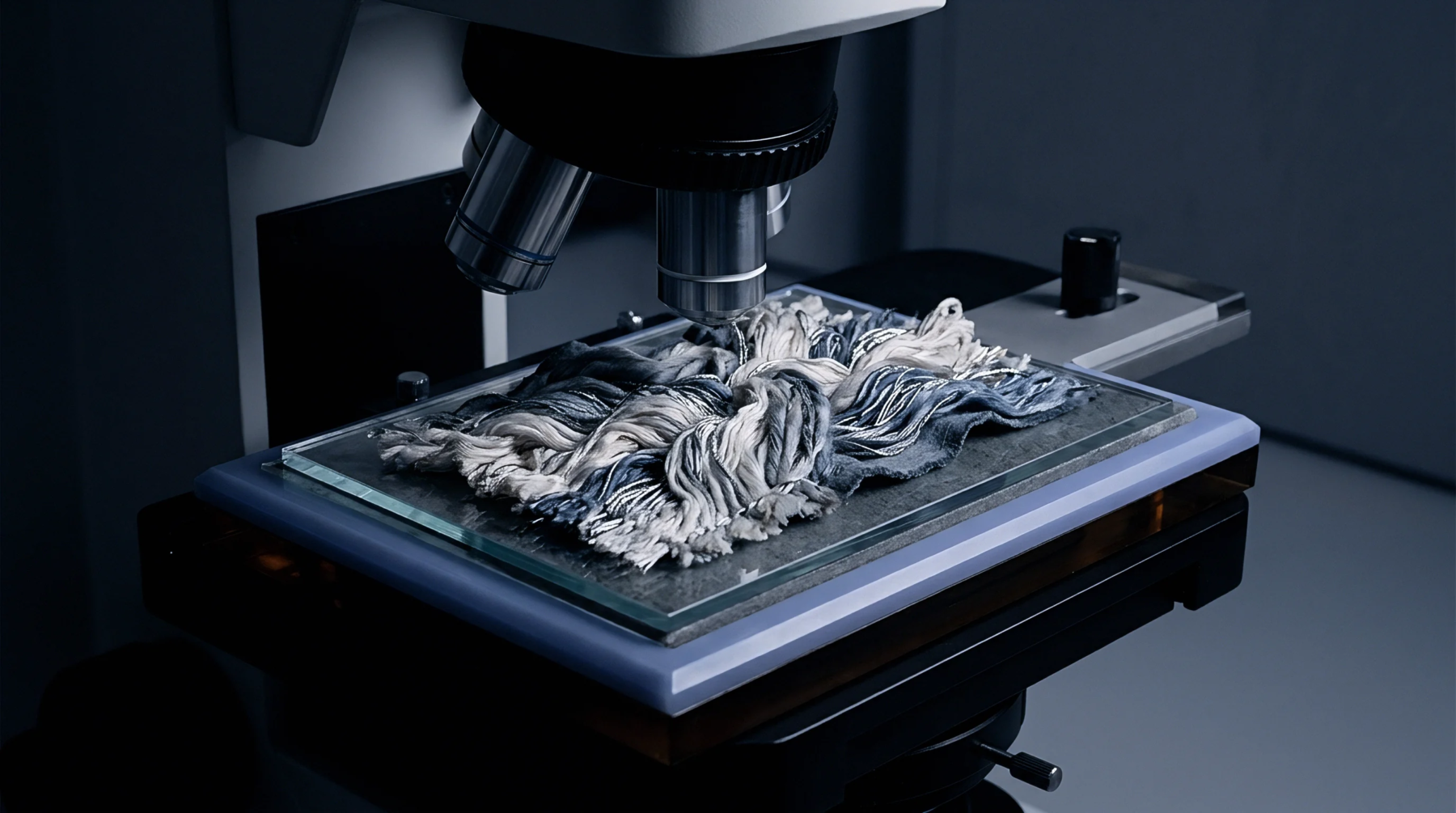
Finishing Process
Finishing procedures remove unfixed pigment and chemical residues from the surface of newly coloured fibres. A clearing bath uses a combination of alkaline and reducing agents to strip away loose dye that did not penetrate the fibre core. This step is mandatory for polyester and blended fabrics to prevent bleeding during home laundering.
It occurs immediately after the dyeing cycle before the fabric enters the final drying stage.
Colour Performance
Rubbing fastness and wash durability rely on the efficiency of this treatment. Through the use of a clearing bath, the mill ensures that excess disperse dyes do not migrate to other garments during storage or use. This removal of surface contamination results in a sharper colour and more consistent shade.
The temperature of the water must be carefully controlled to ensure the chemical reaction activates without damaging the primary shade.
Water Management
Effluent treatment systems must handle the high concentration of chemicals used in this stage. A clearing bath adds to the chemical load of the wastewater, requiring careful neutralization before discharge.
Quality Output
Verifying the results of the treatment prevents the shipment of faulty material. Effective clearing bath application protects the reputation of the mill by delivering fabric that meets international fastness standards.