Harvest Method
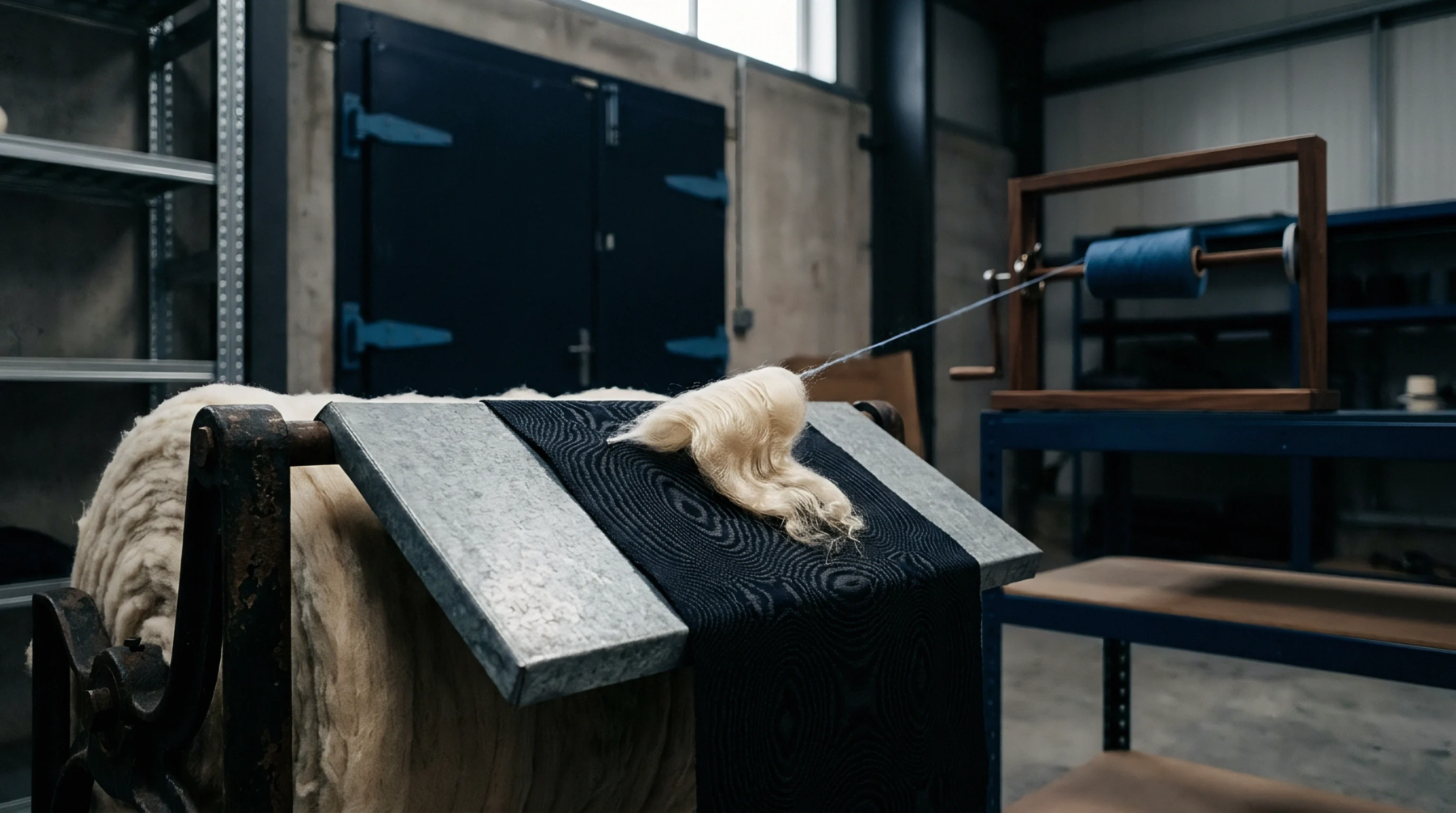
Manual extraction of loosened underdown using metal-toothed combs harvests natural animal fiber during the seasonal spring moult without cutting the skin or guard fleece. In livestock management, combed cashmere originates from pastoral herds where herders stroke hand combs through shedding caprine coats to collect loosened down clusters while leaving attached guard hairs anchored in the epidermis. Hand combing preserves natural fiber tips intact from root to distal apex.
The gentle process produces loose clusters that contain far fewer fractured guard hair shafts than machine-cut fleece.
Staple Preservation
Intact root bulbs and naturally tapered ends characterize down fibers collected through seasonal combing routines. Because harvesting detaches only fibers that have already released from the follicle, combed cashmere retains its full biological staple length without premature mid-shaft fractures. Average fiber lengths frequently reach forty to forty-five millimeters, enabling worsted spinning systems to draft slivers into smooth, uniform yarns.
The unbroken staple architecture permits higher twist efficiency and minimizes loose fiber ends protruding from the yarn body. Finished luxury knitwear manufactured from these longer fibers resists surface pilling and withstands repeated laundering cycles.
Dehairing Yield
Gentle mechanical separation removes the modest volume of entrained guard hair from combed fleece with minimal fiber breakage. Because the outer hairs enter the cleaning process as full-length intact shafts, opening rollers and air classifiers separate coarse fibers from soft down clusters through simple aerodynamic sorting. Processing lines achieve clean down yields exceeding eighty-five percent of raw fleece mass in single-stage operations.
Low mechanical agitation spares fine undercoat fibers from excessive carding wire friction. The resulting sliver exhibits minimal nep creation and uniform fiber alignment.
Commercial Pricing
International trade contracts value raw combing lots above sheared alternatives because the superior staple length directly enhances worsted yarn processing. Certification laboratories assess fleece purity by measuring mean fiber diameter and coarse hair mass fraction prior to container dispatch. Combed cashmere commands premium market prices that compensate herders for the extensive labor required during the hand-harvesting season.