Moisture Accumulation
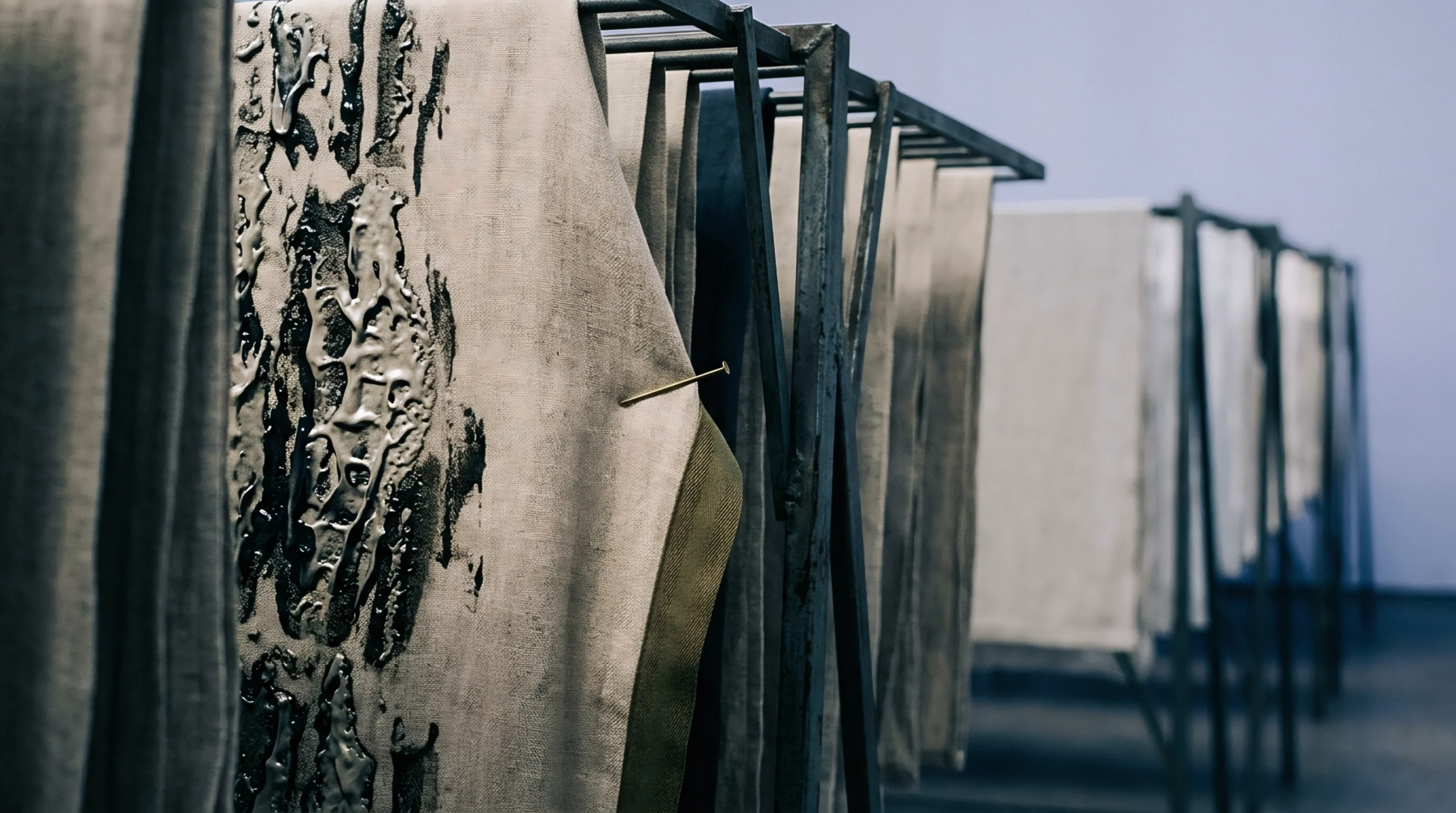
Moisture accumulation on the internal walls of a steel shipping unit happens when warm, humid air cools below its dew point during maritime transport. This container condensation damages textile cargo by causing mildew and water staining in garment boxes. Logistics departments monitor moisture levels in shipping lanes to prevent these quality losses before the cargo reaches the retail warehouse.
The vulnerability of the shipment ends only when the goods are unloaded and unpacked in a dry environment.
Temperature Shift
Rapid changes in ambient temperature during voyages through different climate zones generate moisture cycles inside the cargo space. As the container cools at night, the air can no longer hold the moisture released by the textile packages. This container condensation occurs when the damp air contacts the cold metal ceiling.
Packaging Barrier
Protective plastic wraps and desiccants are used inside the boxes to shield the garments from liquid water. Standard cardboard boxes absorb some moisture but fail to protect the garments if the water volume is high. Therefore, container condensation requires the use of specialized hanging garment bags or moisture-absorbing poles in the shipping container to control the internal dew point.
Mildew Prevention
Proper ventilation and moisture-stable packing materials reduce the risk of damage during transport. Cargo holds must be kept dry to ensure that the textiles arrive in saleable condition.