Heat Transfer
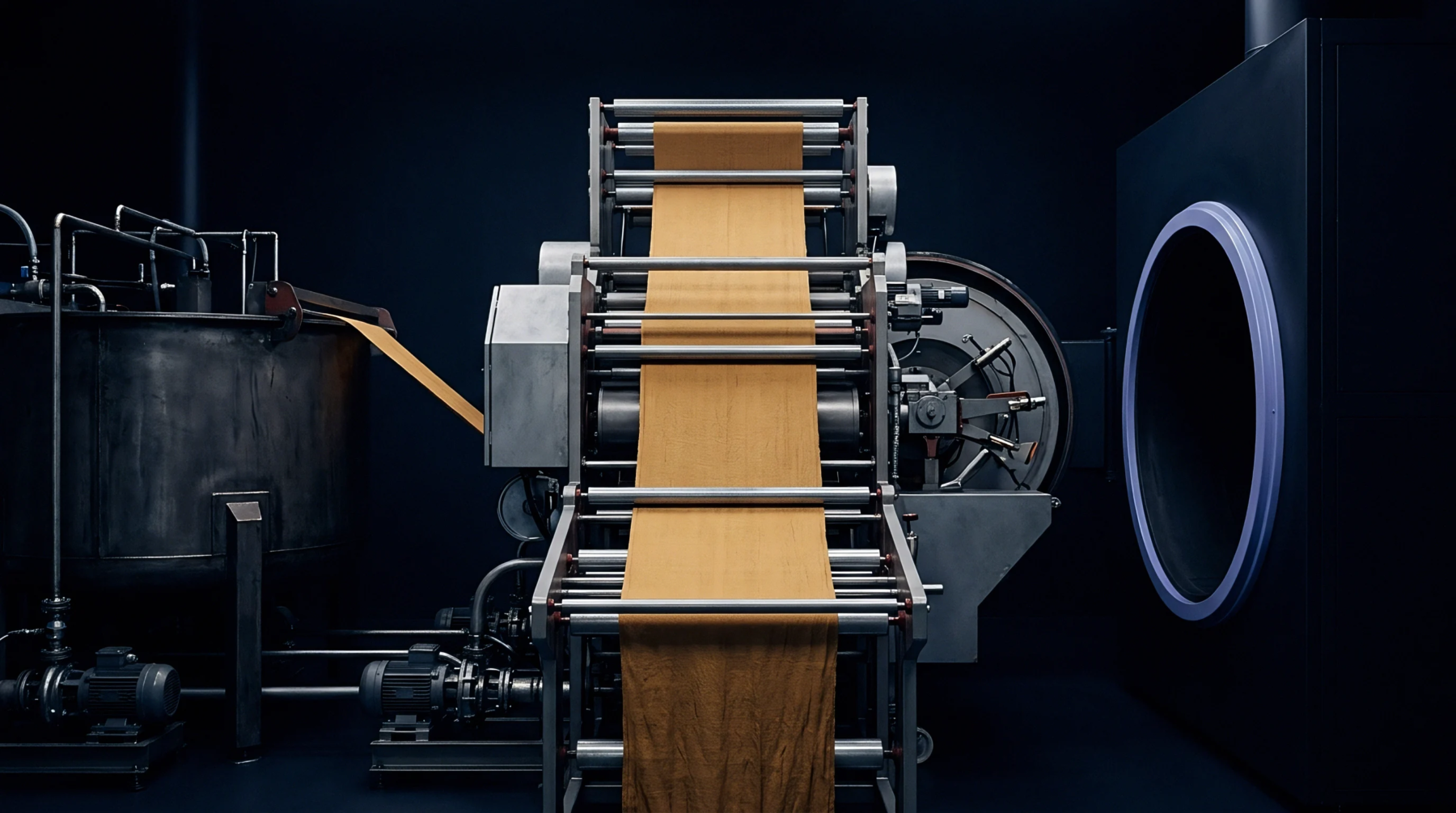
Rate of energy transmission occurring through the movement of heated fluids or gases governs the speed of moisture removal from wet textiles. Industrial convective thermal flux depends on the temperature difference between the moving air and the fabric surface as well as the velocity of the air stream. Efficient drying systems maximize this energy transfer to ensure rapid processing without damaging heat-sensitive synthetic fibres or causing thermal degradation in natural fibre mixtures.
Drying Kinetic
Forced air nozzles in a stenter frame create a high convective thermal flux by breaking the boundary layer of air clinging to the fabric. This movement carries heat directly to the water trapped within the yarn structure and accelerates the evaporation process.
Fabric Interaction
Thin materials with open structures experience a different convective thermal flux than heavy, dense woolens. The resistance to airflow changes the way heat reaches the core of the textile, necessitating adjustments in fan speed or temperature to maintain uniform results.
Temperature Control
Sensors monitoring the exhaust temperature provide the data needed to calculate the effective convective thermal flux during a production run. Stable flux levels prevent the overdrying that causes yellowing in delicate silk or nylon fabrics.