Foreign Material
Extraneous synthetic polymers or organic debris embedded within raw natural fibres compromise the integrity of industrial yarn production and fabric processing stages. Cotton contamination refers to the presence of non-cotton particles including polypropylene strips from packaging bags, jute fragments, hair or metallic scraps that enter the ginning process. These particles undergo significant breakage during opening or carding cycles.
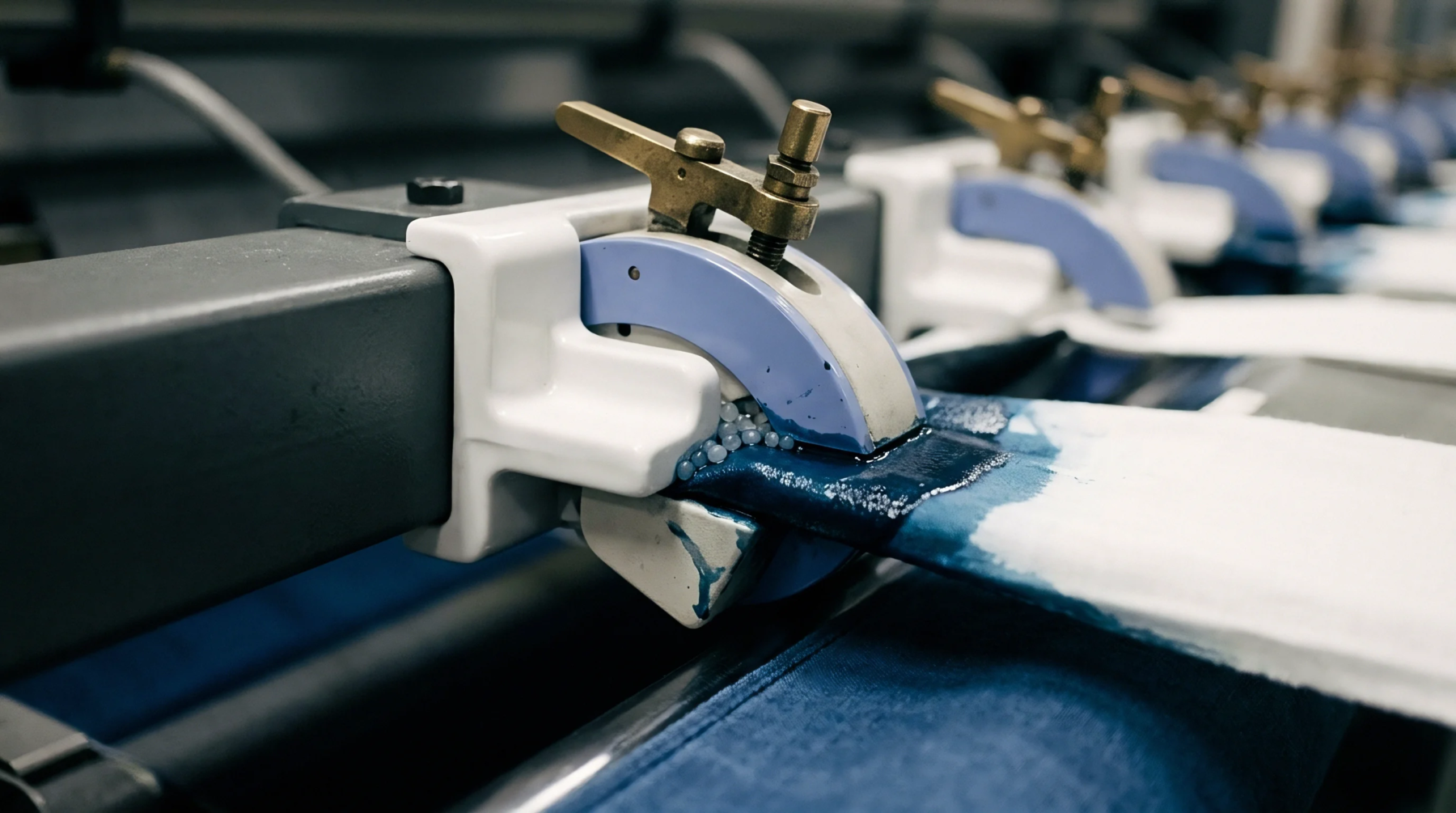
Small bits of white plastic become especially problematic because they remain hidden until final fabric dyeing occurs. Dye absorption rates for synthetic debris differ from those of organic fibres. Chemical treatment creates uneven spots where the foreign object prevents proper saturation of the dye liquor.
Inspections occur at the bale management level or through high speed optical sorting systems during initial cleaning cycles in the mill.
Sorting Protocol
Mechanical extraction relies upon scanning technology to isolate density or colour anomalies before the spinning frame. Automated air jets fire against detected defects to blow them out of the high speed fibre stream. Proper calibration of these sensors balances the removal of waste with the protection of good fibre yield.
Excessive removal rates lead to fibre loss and reduced efficiency in the blow room. Mill operators adjust the thresholds of these sensors based on the specific count of the yarn under production. Dense material presents a high contrast that sensors identify easily.
White plastic on white fibre creates a low contrast scenario that challenges basic optical recognition. Advanced infrared or ultraviolet light sources improve the detection of translucent polymers by fluorescence.
Processing Impact
Large fragments cause ends down at the drawing or spinning frames when the material catches on drafting rollers. Frequent breaks lower the total output of the machine by creating machine downtime for rethreading. Some smaller particles pass through the drafting process to lodge within the yarn structure itself.
Fabric strength suffers when the foreign particle occupies space that should contain load bearing fibre. The weakness remains invisible until stress testing or physical rupture occurs in the finished garment. Weakness occurs because the non-fibrous inclusion does not bond with the surrounding cellulose.
Economic Consequence
Bulk production loss occurs when entire lots show uneven dye results due to persistent particle infiltration. Mills incur charges for re-processing or complete inventory write downs if the finished cloth fails commercial quality standards. Insurance claims focus on the liability of the supplier when bale inspection shows high concentrations of synthetic trash.
Quality control departments implement strict protocols to quarantine shipments from specific origins that fail incoming tests. Standards for acceptable limits fluctuate based on the end use of the fabric. High quality shirting requires lower limits than denim or industrial canvas.
Procurement contracts include penalty clauses that link the volume of detected material to the unit price of the bale. Unchecked accumulation leads to cascading waste across the entire value chain.