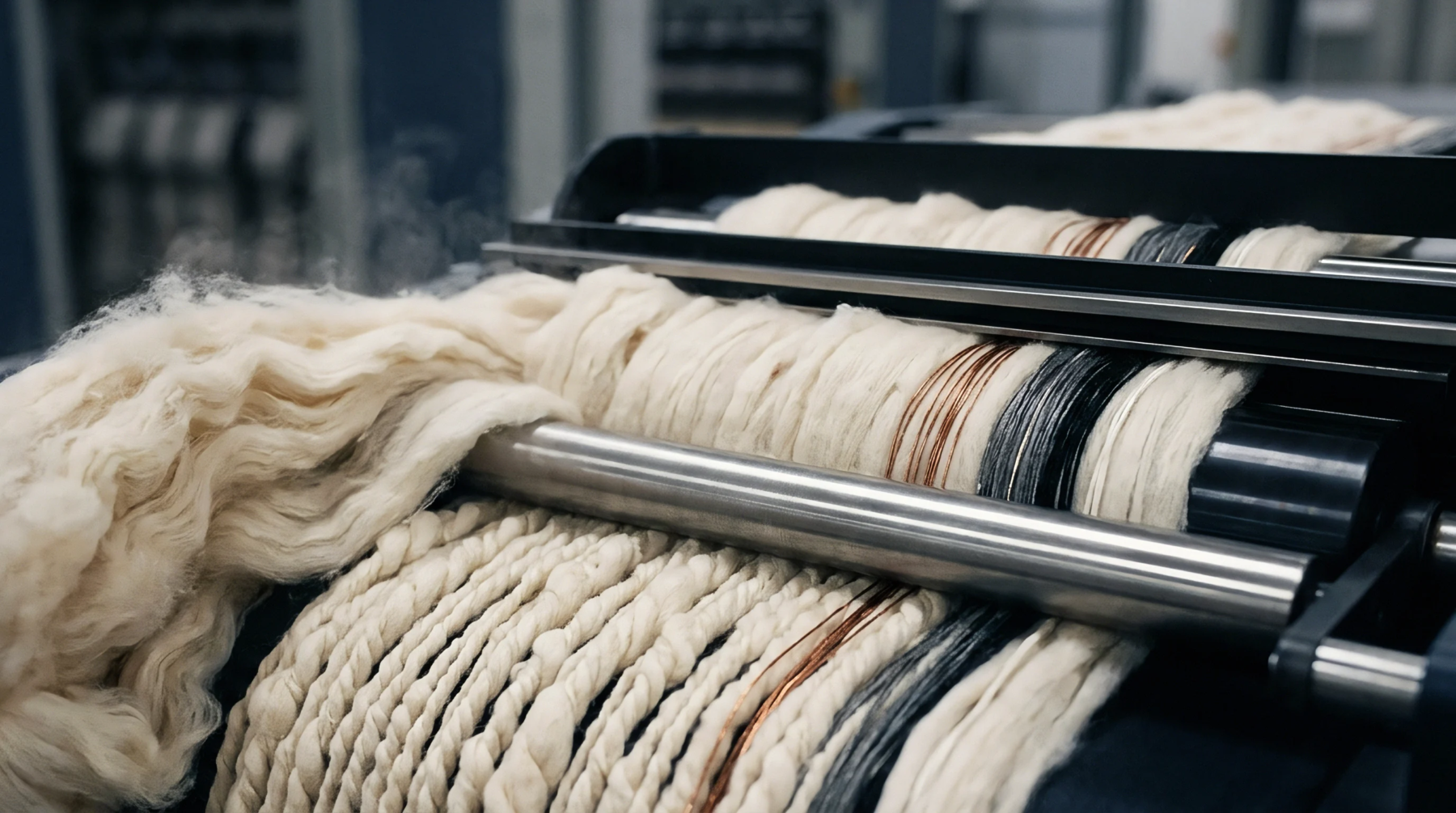
Ginning Operation
Mechanical purification at the gin removes non-lint material from harvested fibers. Modern cotton lint cleaning uses saw cylinders and grid bars to extract leaf particles or stem fragments. This process determines the final grade assigned to a bale by reducing visible foreign matter.
Excessive passes through these machines often lead to fiber breakage or the formation of neps.
Impurity Extraction
High speed saw blades carry the fibers over a series of grid bars where centrifugal force ejects heavier trash particles. While cotton lint cleaning improves the color and trash content, it simultaneously reduces the average fiber length and increases short fiber content. Mills must balance the requirement for clean lint against the risk of mechanical damage that occurs when the saw teeth strike the fiber against the grid bars too aggressively.
The process involves multiple stages where the degree of cleaning is adjusted by changing the speed of the saw or the gap between the bars and the cylinder.
Fiber Preservation
Quality preservation depends on the moisture content of the lint during processing. Proper cotton lint cleaning avoids the aggressive impact of saws on brittle, over-dried fibers. Impact on fiber properties is minimized when moisture levels remain between six and seven percent.
Quality Measurement
Verification occurs through classing data provided by high volume instrument testing. Since cotton lint cleaning alters the physical profile of the fiber, it acts as the primary tool for reaching specific market standards for cleanliness. This stage concludes once the lint reaches the press box for baling.