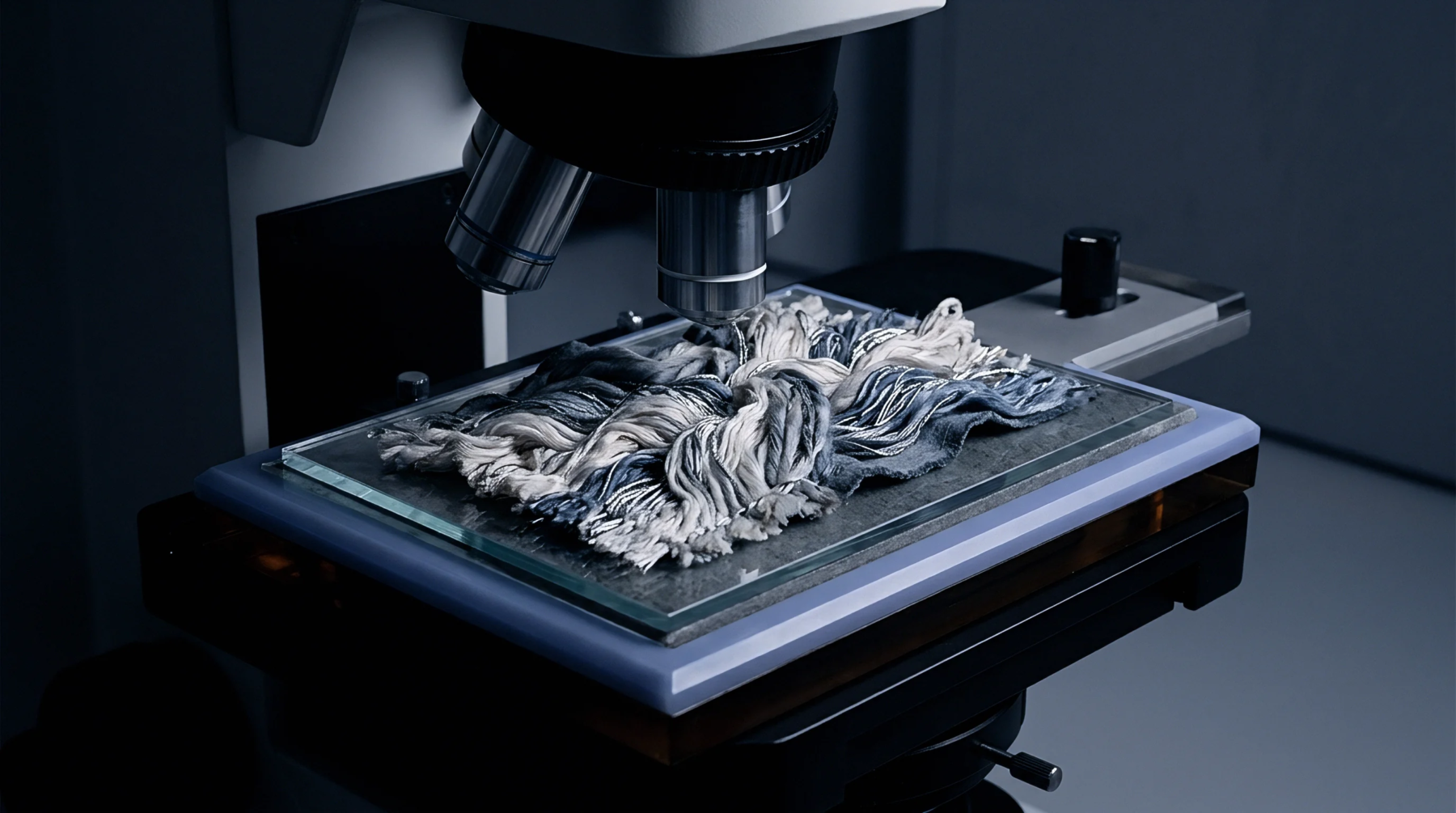
Contamination Removal
High-speed imaging systems identify and eject foreign matter from raw lint during the opening and cleaning stages of yarn preparation. Within a modern blowroom, cotton optical sorting utilizes cameras and sensors to detect polypropylene or organic debris that differs in color or texture from the cotton fibres. Effective separation at this stage prevents these contaminants from being shredded into smaller pieces that are impossible to remove during spinning.
Detection Sensitivity
Advanced multi-spectral sensors operate at speeds sufficient to scan thousands of tufts every minute as they pass through a duct. The effectiveness of cotton optical sorting depends on the contrast between the lint and the impurity, often using polarized light to highlight transparent films. Systems frequently use air jets to blow the detected particles into a waste collection chamber without stopping the production flow.
Efficiency Calculation
Mills evaluate the performance of these machines by measuring the ratio of removed waste to the loss of good fibre. A standard mill setting might target a ninety percent removal rate for colored plastics.
Quality Outcome
The presence of undetected foreign matter causes yarn breaks in the spinning frame and visible defects in the finished cloth. Because cotton optical sorting happens before the fibre reaches the carding machine, it protects the downstream equipment from damage caused by hard objects or metallic scraps. Reliable removal of synthetic twine is particularly vital for fabrics intended for piece dyeing, as these fibres do not absorb cotton dyes and leave white streaks.