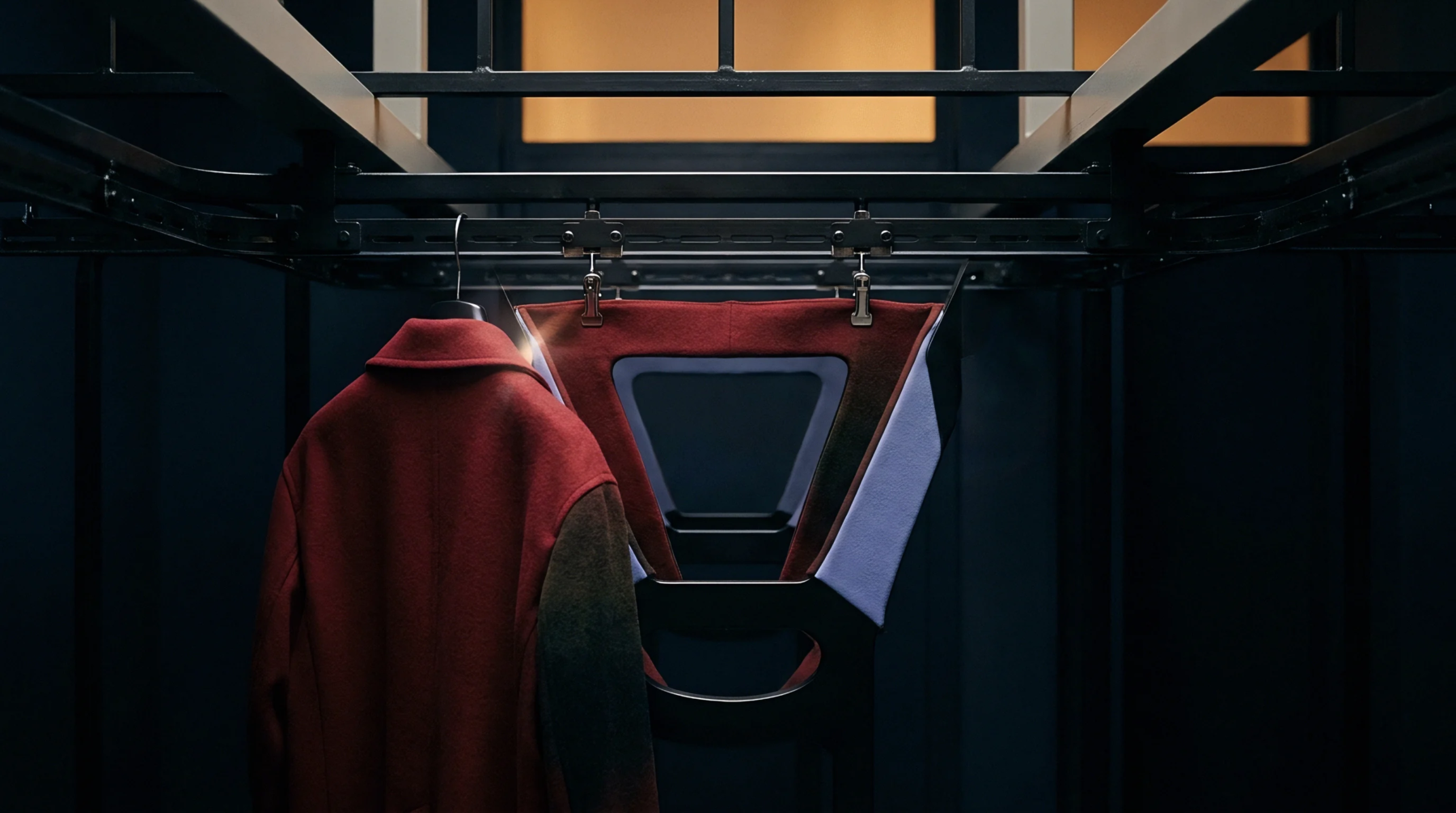
Transfer Event
Unintended transfer of chemical residues occurs between distinct production batches during manufacturing or testing stages. This cross-contamination happens when equipment cleaning protocols fail or when shared fluid baths retain substances from a previous run. It represents the breach of purity between a controlled sample and an external source.
Batch Integrity
Prevention of the phenomenon relies on strict isolation within the dye house or laboratory. While a mill might process different colours sequentially, cross-contamination introduces trace pigments into the current lot, resulting in metameric shifts or failed shade matching. Residues from heavy metal dyes or restricted finishings on one line can migrate to a clean line through shared conveyors.
Such transfers negate the chemical compliance status of a whole shipment.
Verification Checkpoint
Analytical labs detect these impurities using sensitive chromatography during final inspection audits. If a polyester batch shows traces of cotton fibres, cross-contamination in the spinning or fabric construction area is the likely source. Testing identifies the point where two workflows intersected improperly.
Equipment Sanitization
Machines must undergo thorough purging to eliminate the risk of carryover. Solvent baths are particularly prone to this issue when the recycling system fails to strip all contaminants. A dedicated line for organic production is the standard method for avoiding accidental mixture.