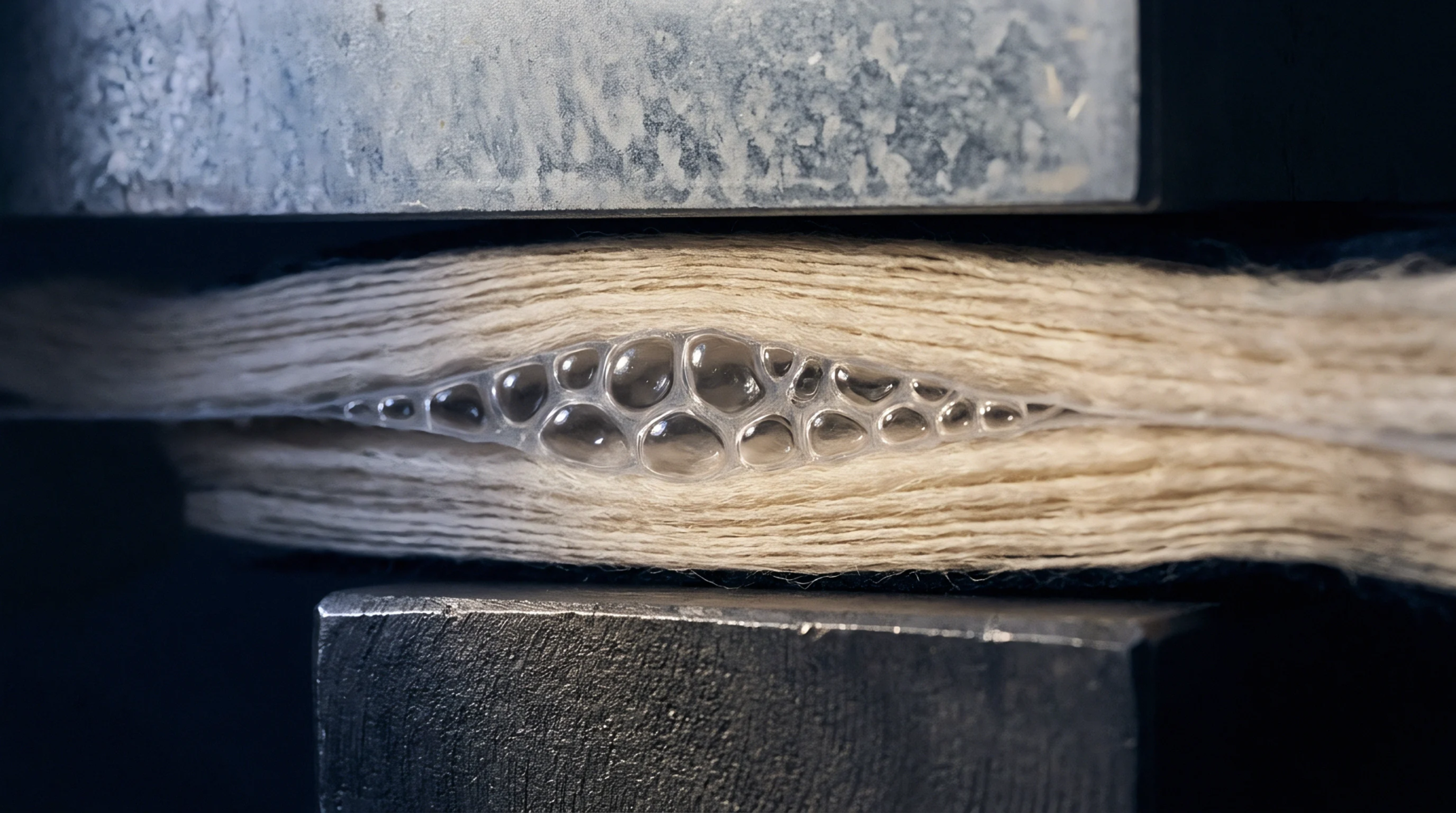
Moisture Extraction
Moisture sequestration in industrial textile shipping occurs through the affinity of porous silica or calcium chloride materials for ambient water vapour. Desiccant absorption provides a dry microclimate inside airtight container liners, vacuum bags, or cargo pouches to prevent mould growth and fibre degradation during long distance transit. This process relies on the saturation potential of solid beads that bind airborne molecules into their internal lattice structure.
Silica gel functions by physical trapping within microscopic voids, while chemical agents like calcium chloride rely on deliquescence to form a liquid brine that stays trapped inside the sachet housing. Effectiveness stops when the desiccant reaches its mass capacity for water weight.
Material Capacity
Performance limits for this protocol depend on the relative humidity within the packaging and the length of the transit phase. Calculating the correct weight of agents requires an assessment of the container volume, the moisture regain of the textile, and the temperature fluctuations expected during transit. A high moisture regain fibre, such as raw cotton or viscose, demands a larger quantity of medium to counteract the water held in the fibre structure itself.
Excessive moisture results in hydrolysis or bacterial staining on natural fibres, which ruins the dye uniformity.
Container Integrity
Success in preventing damage depends on the barrier films applied to the shipping crate or carton before sealing. Polyethylene liners or foils block the entry of external humidity from the marine environment, allowing the internal material to stabilize the air trapped inside the enclosure. Porous paper pouches containing the agent must withstand the physical pressure of tightly packed garments or rolled fabrics to avoid bursting.
A tear in the pouch introduces dust onto finished goods, which complicates the cleaning and quality assurance processes at the distribution warehouse.
Verification Protocol
Quality control teams weigh shipping sachets before and after transit to confirm the amount of water trapped during the journey. This weight gain indicates how much ambient water remained trapped away from the textile fibres throughout the sea freight or climate controlled storage period. Laboratory testing of the agent verifies the drying rate under controlled laboratory humidity conditions to ensure the batch performs to its technical specification.
Reliable protection ensures that finished goods maintain their dimensional stability and appearance from the production facility to the retail shelf.