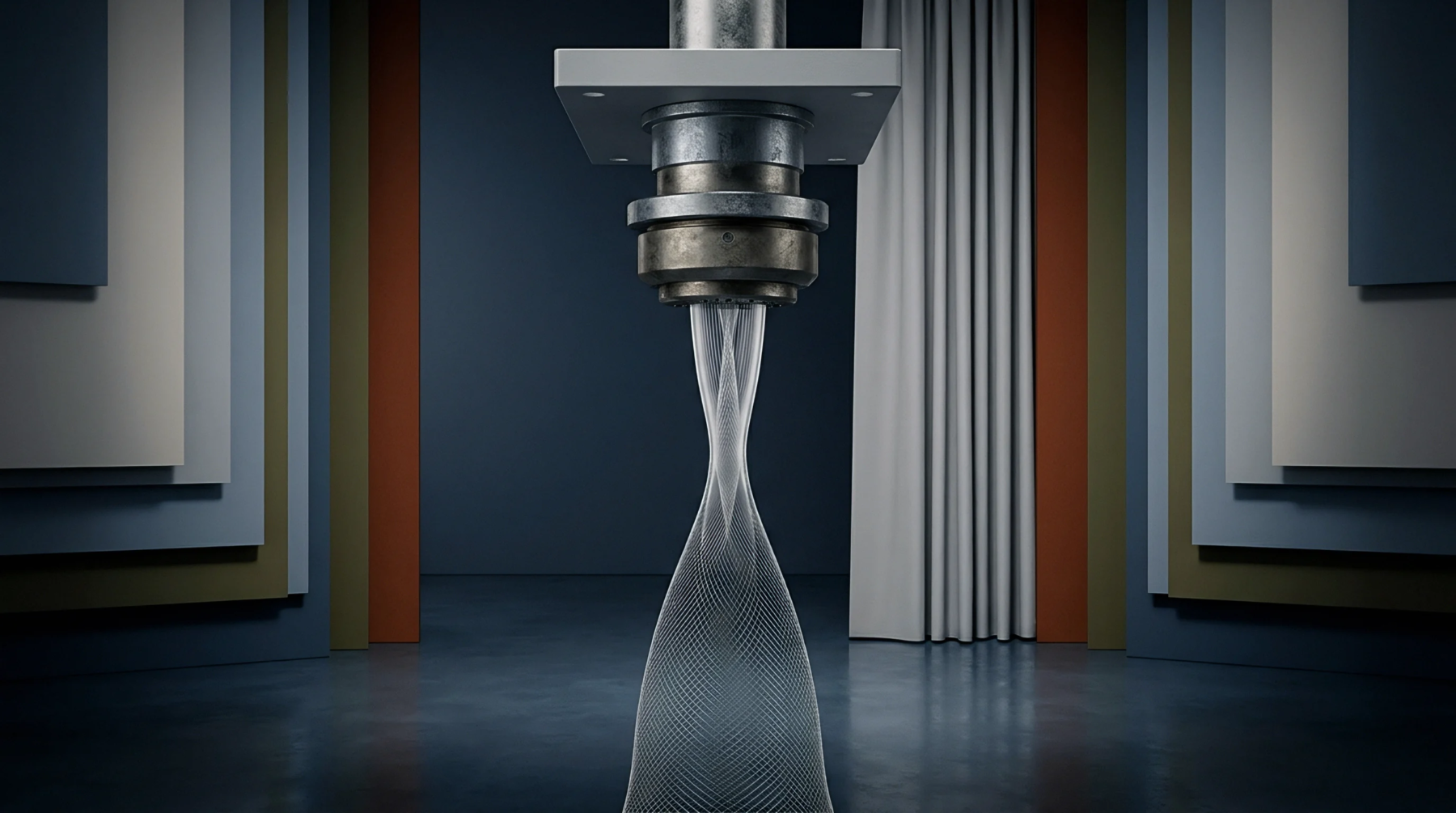
Cellulose Raw Material
Specialized wood pulp characterized by high hemicellulose removal and high brightness constitutes the primary precursor for regenerated cellulose fibers. This highly refined dissolve pulp undergoes chemical dissolution rather than mechanical papermaking to produce textile yarns like viscose and modal. The material is manufactured through either the acid sulfite or prehydrolysis kraft process to ensure a high polymer concentration.
Purifying Treatment
Removal of non-cellulose compounds is the main objective of the bleaching and extraction stages in the mill. Standard dissolve pulp must contain minimal residual lignin and ash to prevent spinneret blockage during the subsequent extrusion phase. This intensive purification also prevents the yellowing of yarn during spinning.
Spinning Suitability
Processing efficiency depends on the uniform reactivity of the wood fibers. Consistent dissolve pulp viscosity prevents pressure spikes in the extrusion filters and yields fibers with excellent tensile strength.
Quality Verification
Shipment analysis verifies the chemical reactivity and viscosity profile of each batch before it enters the fiber production line. The dissolve pulp must meet strict specifications regarding brightness, transition metal content, and alpha-cellulose levels to be accepted by the spinning facility. These stringent checks at the chemical level ensure that the final textile products possess high durability and uniform dye absorption.