Regulatory Method
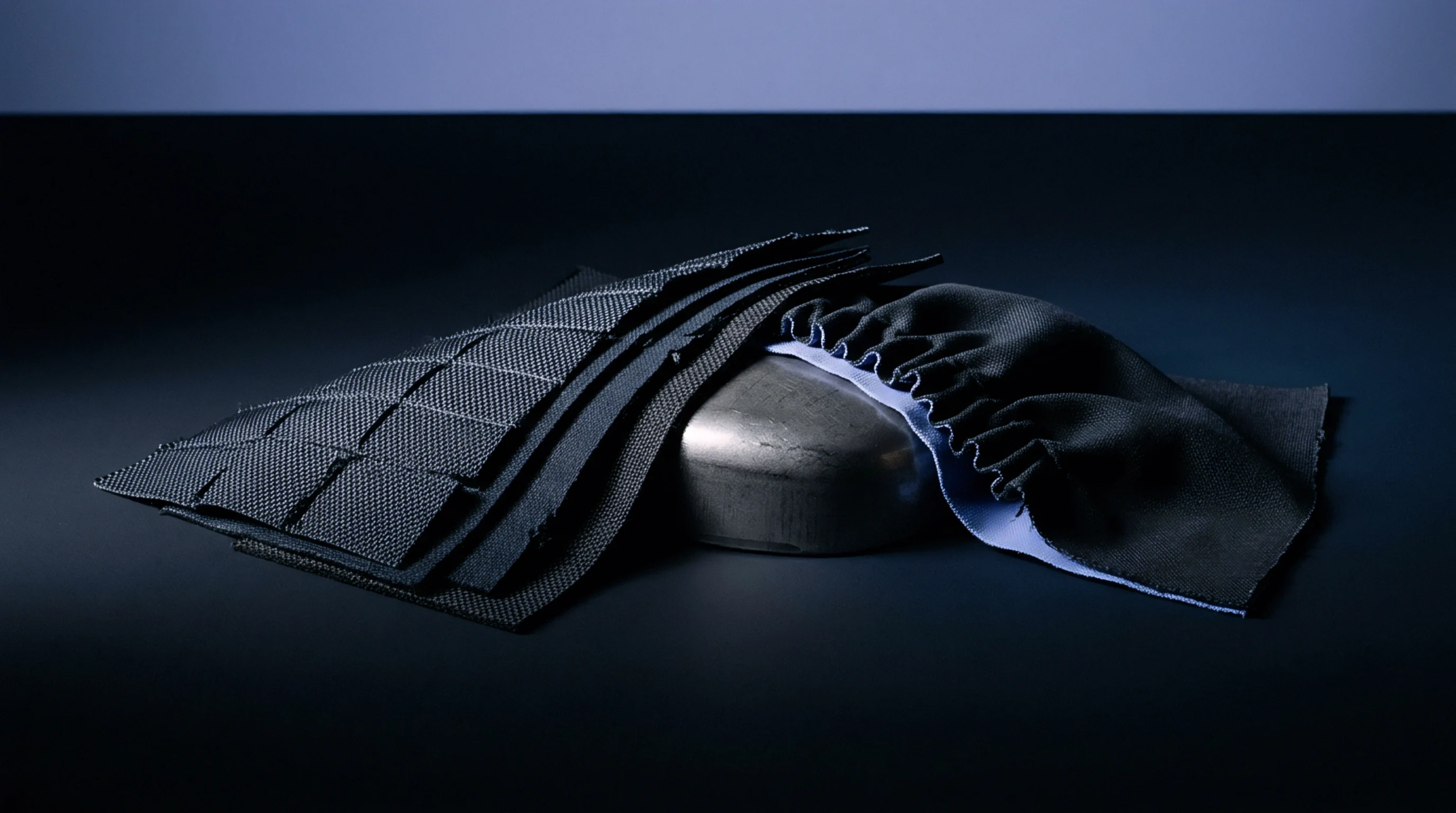
Testing standards for polymer materials in contact with food products specify the laboratory procedures for measuring chemical migration at high temperatures. The en 1186-13 standard provides the method for evaluating technical textiles or plastic coatings exposed to temperatures between 100 and 175 degrees Celsius. This procedure ensures that conveyor belts, filtration meshes, or protective aprons used in food processing do not release harmful plasticizers or monomers into food.
Analytical Technique
Specimens of the technical fabric are exposed to food simulants or adsorbent substances like Tenax at elevated temperatures for a fixed duration. After the exposure cycle, the simulants are analyzed using gas chromatography or mass spectrometry to quantify the mass of migrated compounds. This measurement verifies that the polymeric coating remains stable under the thermal stress of industrial food processing.
Safety Verification
Compliance with this standard is a mandatory requirement for selling food-grade industrial textiles in the European Union. If a filtration fabric fails the en 1186-13 testing threshold, it cannot be used in commercial baking or fat-refining applications because of the health risks associated with polymer degradation. The test isolates specific extractables like plasticizers, stabilizers, and residual solvents that might migrate into fatty or aqueous foods.
By maintaining these strict limits, the standard protects consumer health and prevents chemical contamination of the supply chain.
Physical Limitation
The chemical test does not evaluate the mechanical strength or durability of the fabric under high-heat conditions. It focuses entirely on chemical transfer, which means a textile could pass the en 1186-13 safety test while still failing physically due to thermal shrinkage or melting. Therefore, manufacturers must conduct separate tensile and thermal resistance tests to ensure the overall performance of the fabric.