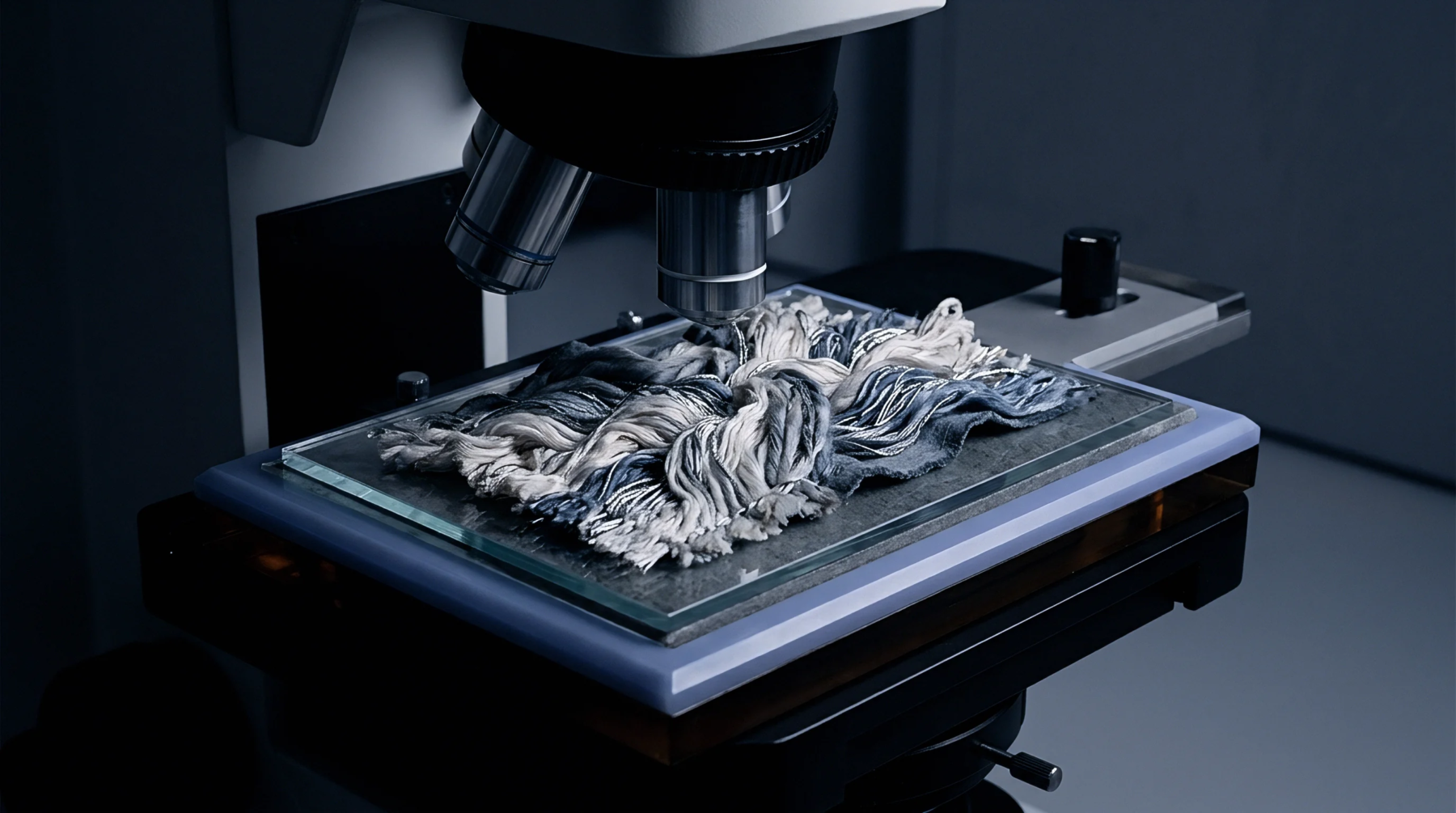
Testing Standard
Defined batch leaching tests identify the potential for inorganic substances to migrate from solid textile waste into liquid solutions. Mill operators utilize en 12457-2 to characterize the stability of their wastewater sludge before it leaves the treatment facility. The method specifies a high speed mixing process that lasts for twenty four hours to ensure thorough contact between the waste and the leaching agent.
Leaching Mechanism
Solid particles are agitated in distilled water to release trapped metals or salts. Through the use of en 12457-2, technicians measure the concentration of dissolved solids at a liquid to solid ratio of ten litres per kilogram. This extraction simulates long term exposure to moisture in a landfill environment.
The resulting liquid is filtered and analyzed to determine which chemicals would enter the groundwater.
Environmental Compliance
Regulatory bodies set specific limits for the levels of contaminants found in the resulting extract. Failure to meet the en 12457-2 threshold requires the waste to be treated as hazardous material, which increases disposal costs.
Laboratory Report
Documentation from this test provides the data needed for waste classification. A clear en 12457-2 result proves that the material is stable and suitable for standard disposal.