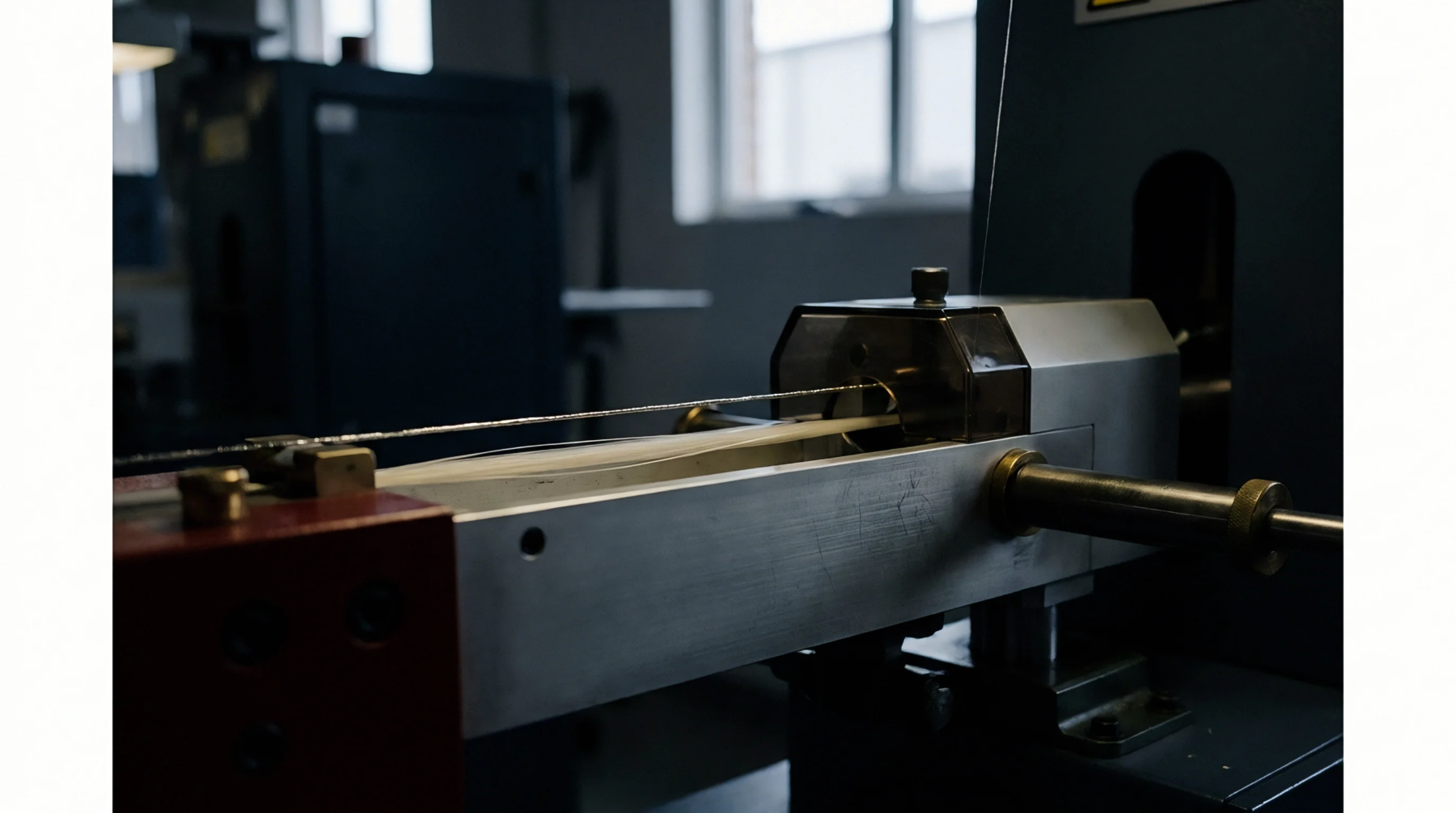
Breaking Force
This determination method identifies the maximum load a material sustains before catastrophic failure occurs during a longitudinal extension procedure. Practitioners apply en iso 1421 to measure the peak tension capacity of coated fabrics or rubberized textiles. The procedure dictates that a test specimen of defined dimensions sits within the grips of a tensile testing machine.
Constant velocity separates these grips until the material reaches the moment of rupture. The recorded maximum force indicates the structural integrity of the base cloth alongside its polymer coating. This metric remains relevant for checking heavy duty materials like tarpaulins, inflatable structures and protective apparel.
Laboratories verify results by calculating the force per unit width to ensure commercial batch consistency.
Elongation Capacity
Further analysis involves calculating the extension at the moment of rupture as a percentage of the original length. While en iso 1421 primarily monitors the load, the recorded movement provides data on the elasticity of the construction. Differences in fibre orientation or coating thickness alter the way these materials stretch under pressure.
A high elongation value shows a material capable of absorbing kinetic energy without sudden tearing. Such data helps manufacturers predict how finished goods react when subjected to environmental stress or high wind loads. Precision in this measurement depends on the alignment of the sample within the machine.
Misaligned specimens produce inconsistent data that fails to represent the true performance of the textile.
Material Constraint
The scope of this standard excludes materials with specific high performance or elastic properties requiring alternative testing protocols. When fabrics exhibit extreme stretch or recovery, different methodologies prevent inaccurate readings of the breaking point. The testing apparatus demands rigid calibration to maintain the specified speed throughout the cycle.
Variability in room temperature or relative humidity occasionally influences the results for moisture sensitive fibres like nylon or rayon. Staff must monitor these atmospheric conditions to ensure the validity of the reported figures. Differences in coating composition also introduce variances in the grip friction required for the test.
Specialized pads prevent slippage without crushing the substrate prematurely. Each setup choice follows the internal structure of the material to capture the actual failure mode.
Evaluation Metric
Final assessments translate raw machine output into normalized values suitable for technical documentation and quality assurance. Engineers compare these results against established specifications to confirm if a production lot meets the required safety thresholds. An unexpected dip in the recorded breaking force often signals inconsistencies in the base fabric density or poor adhesion between the polymer and the textile fibres.
Data consistency across various batches confirms that the finishing process maintains the mechanical properties of the substrate. Proper execution of the protocol prevents the deployment of substandard materials in critical applications. The failure pattern observed during the test provides insight into whether the coating or the base fibre initiates the structural rupture.
Consistent testing cycles ensure that manufacturing changes do not compromise the intended lifespan of the technical fabric.