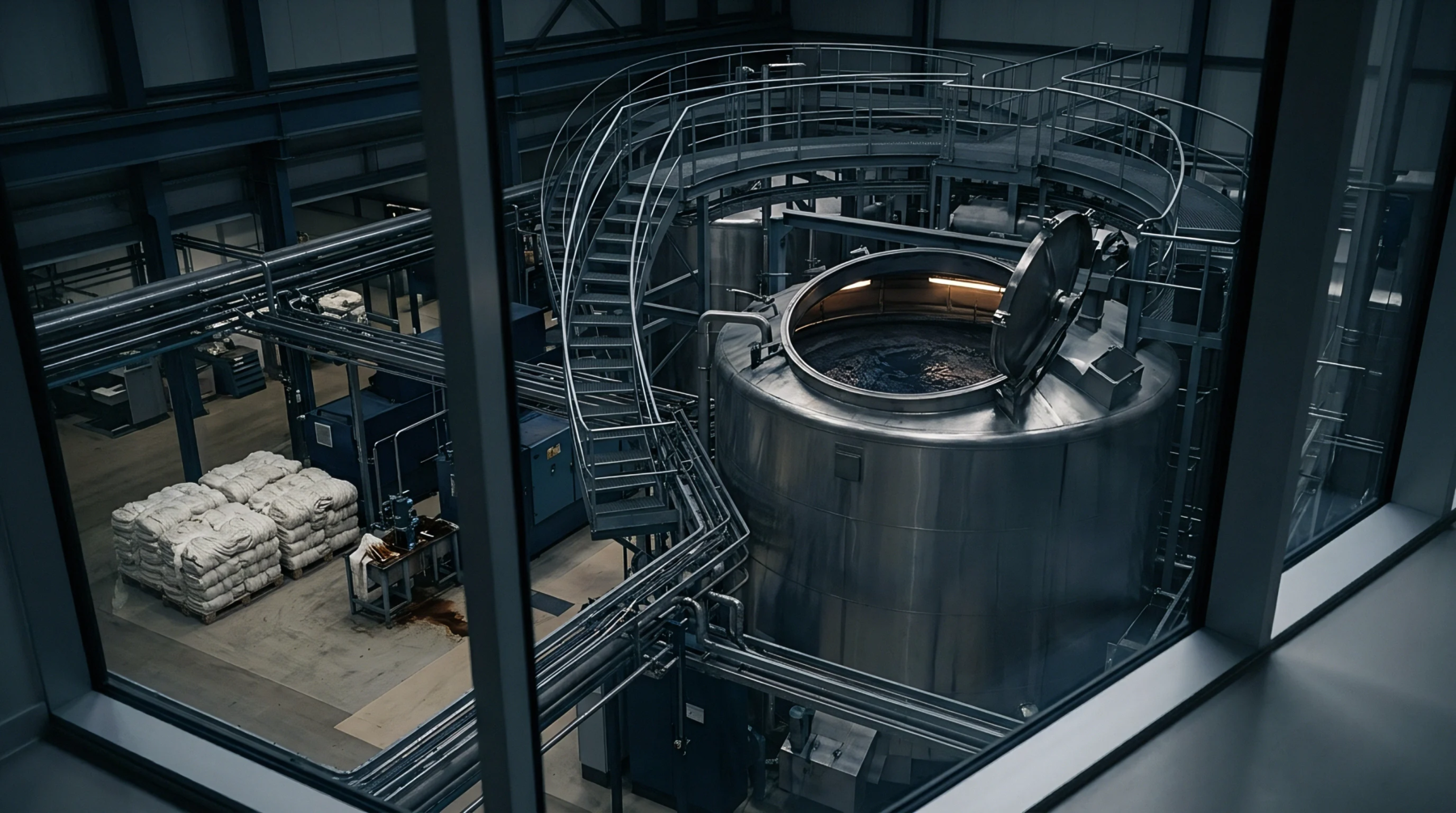
Calculating Reactive Dye Hydrolysis Rates in Jet Dyeing
Calculating reactive dye hydrolysis rates in jet dyeing requires tracking bath pH and absorbance over time to optimize alkali dosing and maximize color yield.
Dye utilization metrics track the percentage of colorant successfully moved from the bath onto the fibre and the portion subsequently bonded during the fixation stage of production. This measurement is a primary indicator of how well a dyeing process is performing from both a cost and an environmental perspective. A high exhaustion fixation efficiency means that most of the purchased dye is actually contributing to the final colour of the fabric rather than being washed away.
The value is calculated by comparing the amount of dye initially added to the machine with the amount found in the wastewater after the process is complete. Improving this figure is a central goal for mills looking to reduce their chemical costs and their impact on the local water supply.
Liquid depletion occurs during the first phase of the dyeing cycle as the dye molecules migrate from the water to the surface of the textile. This stage, known as exhaustion, is influenced by the salt concentration, temperature and liquor ratio of the bath. If the exhaustion is low, the exhaustion fixation efficiency will also be low, even if the subsequent chemical bonding is perfect.
To maximize this phase, technicians must ensure that the affinity between the dye and the fibre is high enough to pull the molecules out of the solution. Adding electrolyte like sodium chloride or sodium sulphate is the standard method for forcing the dye onto the material. A clear dye bath at the end of the exhaustion phase is a good sign of an efficient process.
Chemical fixation is the second stage where the dye molecules that have moved to the fibre are permanently attached through covalent or ionic bonds. The exhaustion fixation efficiency depends on the percentage of these adsorbed molecules that actually form a stable link rather than just sitting on the surface. Factors like pH, temperature and the chemical structure of the dye determine the success of this step.
In reactive dyeing, some of the dye will inevitably react with water and become hydrolyzed, meaning it can no longer bond to the fibre. This hydrolyzed dye must be washed off, which lowers the total efficiency of the process. Optimizing the fixation conditions is required to minimize this waste and ensure that the dye stays on the fabric during laundering.
Operational costs are directly tied to how much of the chemical input is converted into a finished product. A process with low exhaustion fixation efficiency requires more dye to achieve the same shade depth, which increases the cost per metre of fabric. Furthermore, the unreacted dye in the effluent requires more water and energy to remove during the washing-off stage.
This creates a double loss for the mill through higher chemical purchases and higher wastewater treatment bills. By tracking this efficiency across different dye lots and fabric types, a factory can identify which processes are the most profitable. Modern dye selection often prioritizes dyes with high fixation rates to simplify the production cycle.
Improving this metric is a key step toward more sustainable and profitable textile manufacturing. Exhaustion fixation efficiency remains the definitive measure of colorant performance in commercial dyeing.
Calculating reactive dye hydrolysis rates in jet dyeing requires tracking bath pH and absorbance over time to optimize alkali dosing and maximize color yield.
Expertise is a utility, not a secret. sentiention™ publishes its working knowledge as open reference: intelligence layer covering the materials it sources, the markets it enters, and the reference that serves both.