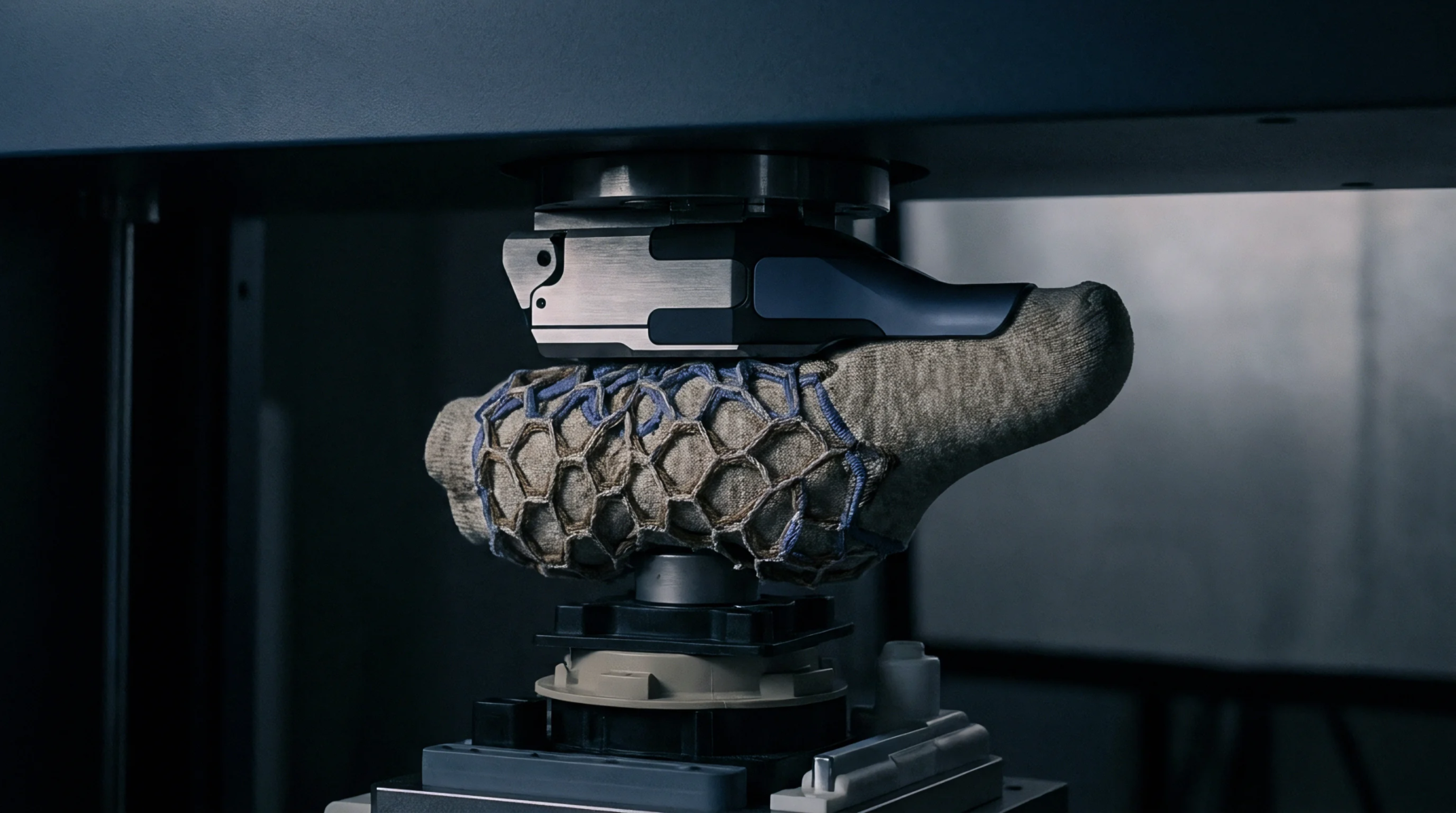
Analytical Test
Laboratory method measures the weight loss of a textile sample after a selective chemical removal to identify finish or fibre content levels. Regular extractable matter determination identifies the quantity of oil, grease, or size that the factory has added during earlier stages. It relies on the use of a volatile solvent to dissolve the non fibre substances without damaging the textile structure.
Solvent Choice
Selection of the appropriate liquid depends on whether paraffin, silicone, or oil is the primary target. Most extractable matter determination tests use petroleum ether or hexane because these chemicals evaporate easily during the subsequent drying step.
Weight Comparison
Dry mass is established before and after the chemical bath to isolate the non textile components. Following the extractable matter determination, the specimen is heated in a ventilated oven to drive off remaining traces of the fluid. Calculations then show the percentage of added substance relative to the initial bone dry sample.
This figure alerts the technical team to potential issues with subsequent dyeing or printing.
Precision Check
Repeating the extraction until the final solvent remains clear confirms complete removal. Careful extractable matter determination ensures that final shipments meet specific chemical safety limits.