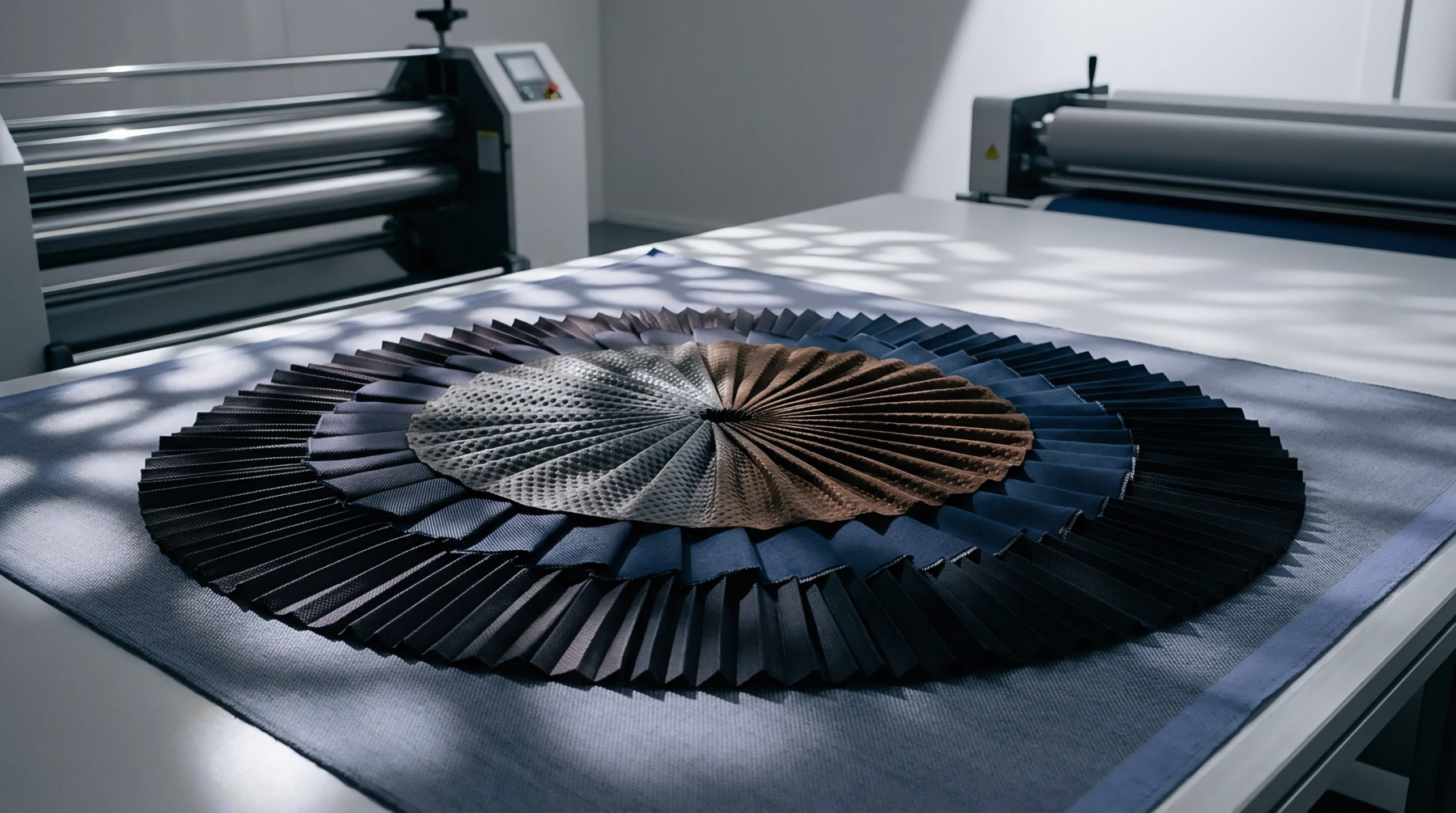
Geometric Texture
Waviness metrics in staple fibers quantify the difference between the extended straight length and the non-extended crimped length. A high fiber crimp factor indicates a highly wavy structure with many waves per unit length. This wave structure provides the cohesion necessary to hold short fibers together during the carding and drawing processes.
Cohesion Measurement
Laboratory instruments measure the crimp percentage by applying a light de-crimping load followed by a heavy straightening load. The calculated fiber crimp factor represents the percentage change in length during this transition. This value guides the settings of draft rollers to prevent fiber slippage or excessive drafting force.
Processing Behavior
Excessive crimp can cause fibers to wrap around draft rollers, leading to lap-ups and machine damage. Insufficient crimp reduces the cohesion of the sliver, causing it to fall apart during transport between the carding and drawing stages. Spun yarn strength relies on the interlocking of these crimped fibers, which distributes tensile loads evenly along the yarn body.
Synthetic fibers are mechanically crimped in a stuffer box to replicate the natural waviness found in wool.
Yarn Bulkiness
High crimp values produce yarns with superior loft and thermal insulation properties. Such yarns are preferred for winter garments and fleece fabrics.