Structural Defect
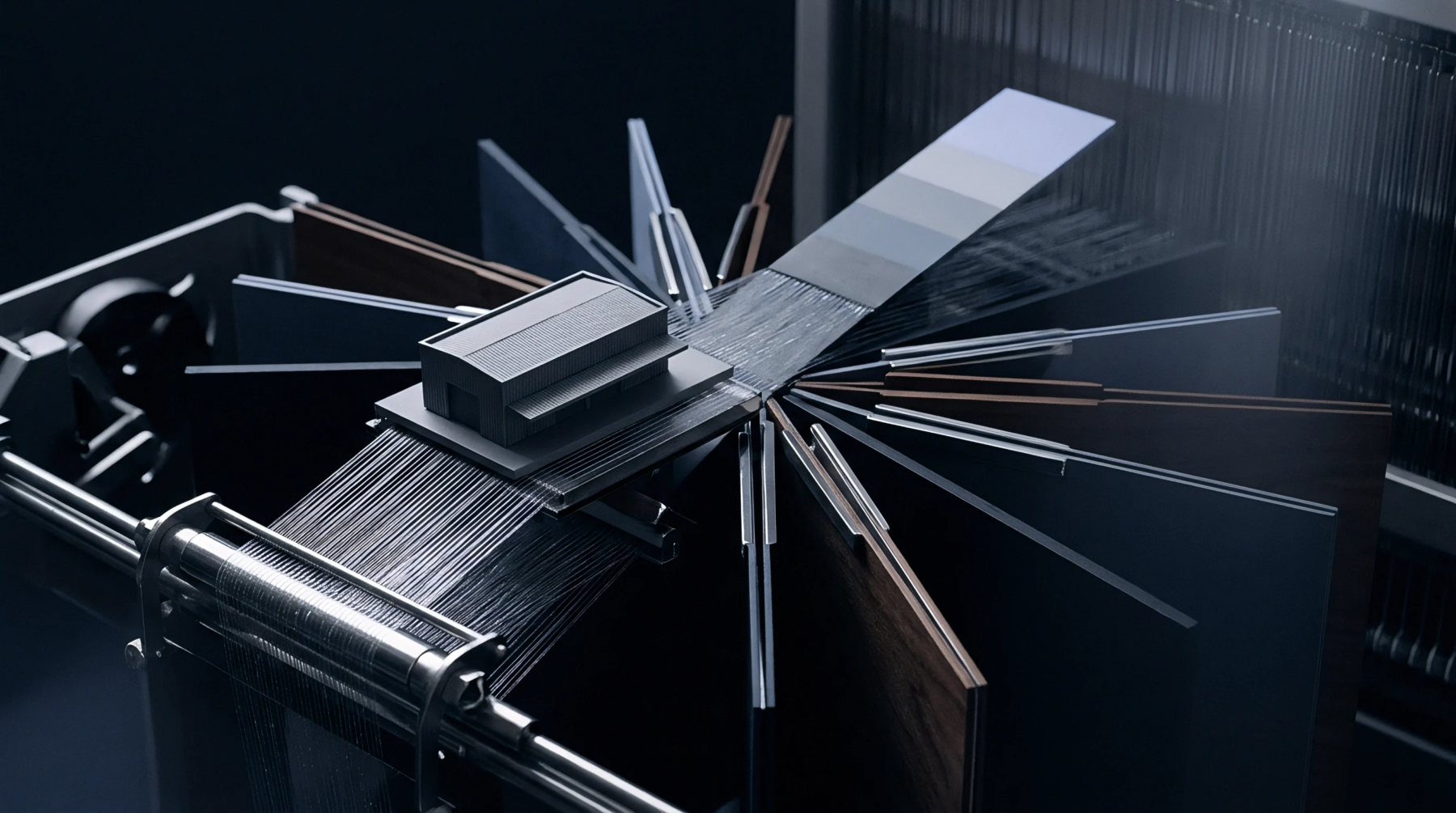
Misalignment of the weft yarns occurs when they do not run perpendicular to the warp yarns across the width of the fabric. This condition, referred to as filling skew, appears as a diagonal distortion that disrupts the visual alignment of printed patterns or woven checks. Corrective adjustments must be made during finishing to square the yarns before the fabric is wound onto rolls.
Mill Origin
Unequal tension across the fabric width during scouring, bleaching, or dyeing often creates this distortion. When filling skew develops in the wet finishing line, the cloth is stretched unevenly as it passes through squeeze rollers and drying cans. Adjusting the skew-straightening rollers on the tenter frame corrects the angle.
This alignment must be stable.
Tolerance Level
Garment makers measure the deviation by drawing a line perpendicular to the selvage and calculating the percentage of offset. Excess filling skew causes sewn garments to twist and drape unevenly after home laundering. Standard industrial tolerances allow up to three percent deviation for plain fabrics, but limit check patterns to less than one percent.
Inspectors reject shipments that exceed these margins.
Production Impact
Tilted yarn structures make automatic cutting tables useless because the digital camera systems cannot align the cutting blades with the grain line of the fabric. Cutting panels from a roll suffering from filling skew leads to twisted side seams and warped pant legs that ruin the fit. Garment brands face high return rates when these twisted products reach consumers.
To avoid this, finishing mills run dual skew-correction systems on all high-speed processing lines, ensuring that every yard is straightened before packaging.