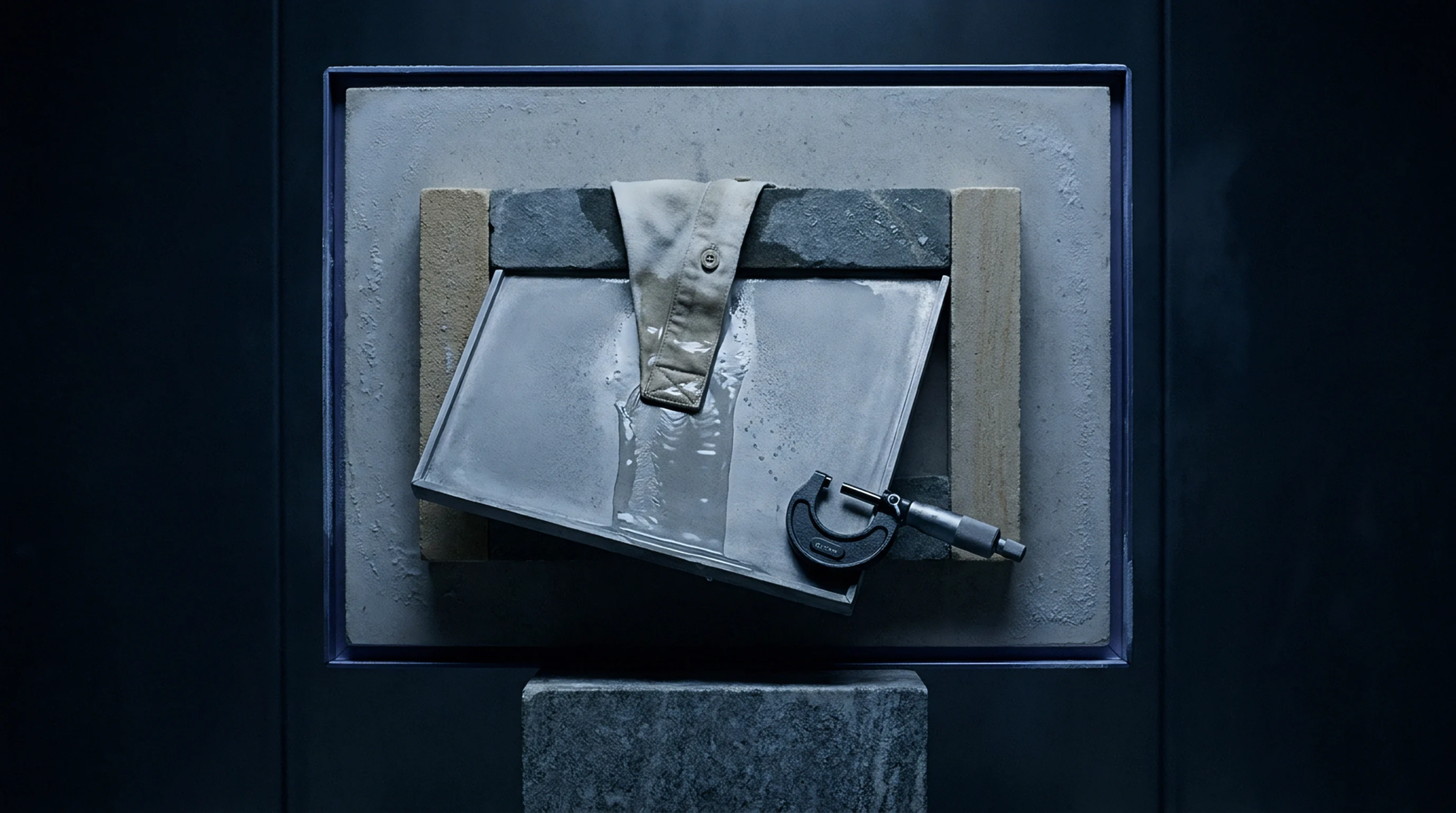
Chemical Finish
Hydrophobic finish provides water repellency to garments without the use of perfluorinated chemicals that persist in the environment. This treatment, known as fluorine free dwr, typically employs polymers based on silicones, polyurethanes, or natural paraffin waxes to lower the surface energy of the textile fibers. It causes water droplets to bead up and roll off the fabric face while maintaining the breathability of the laminate.
Performance Characteristic
Standard water-repellent treatments relying on fluorocarbons resist both water and oil-based stains. In contrast, a fluorine free dwr treatment is only effective against water-based liquids. The finish must be applied uniformly during the wet-processing stage and is typically cured at high temperatures to ensure durable attachment to the yarn surfaces.
After multiple wash cycles, the performance of the finish degrades, requiring heat activation or reapplication to restore its hydrophobic behavior.
Testing Level
Testing consists of spray ratings and water pressure measurements.
Environmental Compliance
Regulatory standards in major markets have limited the use of long-chain perfluorinated compounds. The shift to these newer finishes is driven by the demand for non-toxic outdoor apparel. Brands verify the absence of fluorine by testing for total organic fluorine in third-party laboratories.
Handlers must adjust their recipes to ensure the alternative polymers adhere well to different fiber blends.