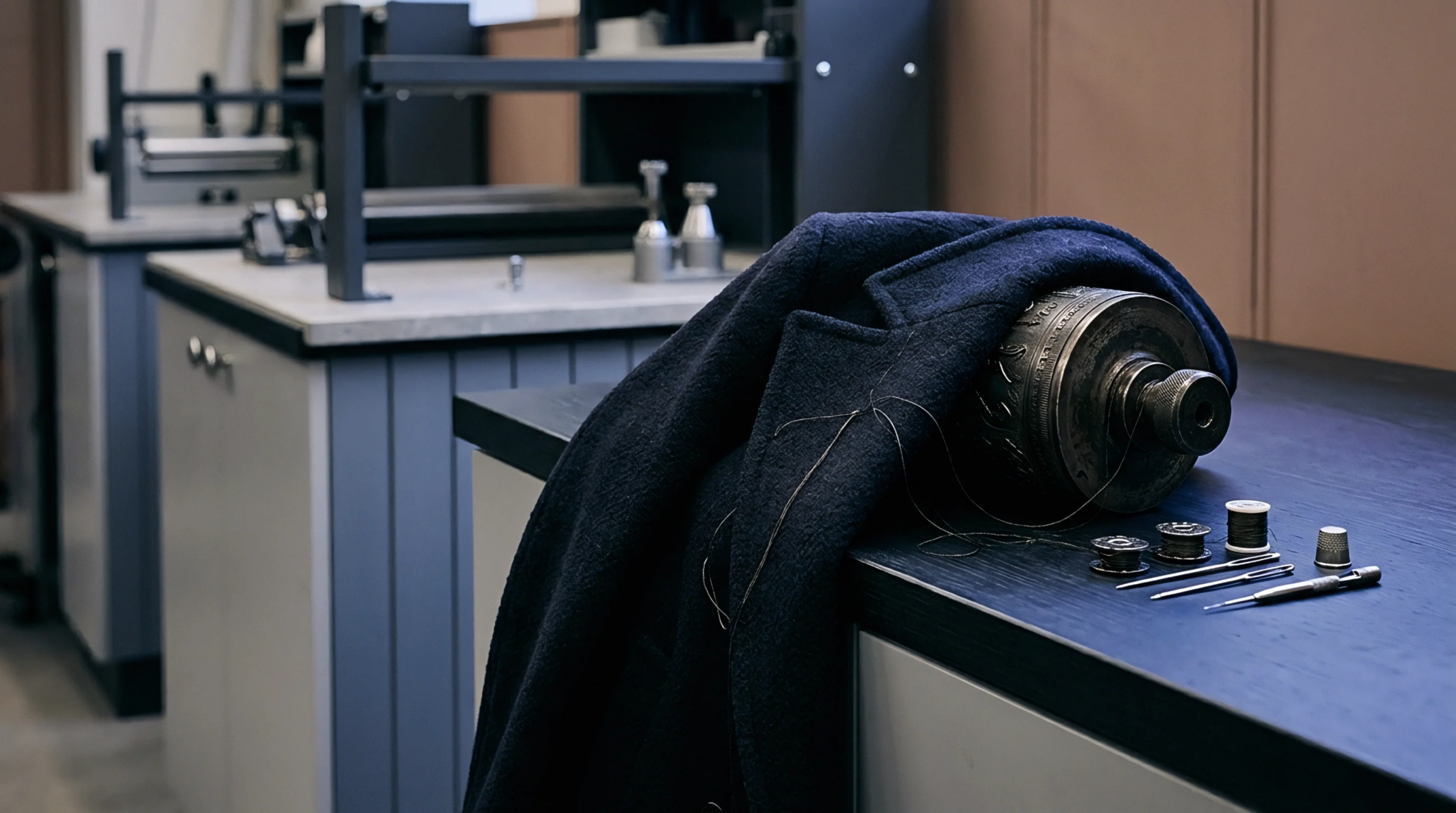
Azo Detection
Analytical chemistry identifies restricted aromatic amines derived from the reduction of azo dyes in textiles. The gb/t 17592 protocol regulates these specific chemical residues in dyed and printed consumer goods. Testing protocols mandate the extraction of these compounds via reduction with sodium dithionite under nitrogen gas followed by identification using gas chromatography or liquid chromatography.
Dye Separation
Laboratory procedures break down synthetic colorants into their constituent amines to verify safety compliance. A specimen undergoes chemical reduction until the azo bonds fracture into individual aromatic components. Technicians then extract the target amines using solvent systems to concentrate them for instrumental analysis.
Precise quantification determines whether the concentration of restricted amine species exceeds the parts per million limits established by the regulation.
Compliance Verification
Production checkpoints screen shipments for prohibited substances before goods enter the retail cycle. Chemical analysis prevents the distribution of fabrics treated with carcinogenic substances such as benzidine or o-toluidine. Factories perform these checks when finishing polyester, cotton or regenerated cellulose fibres to ensure the final substrate meets required safety thresholds.
Independent third parties conduct periodic surveillance to confirm that dyeing processes maintain consistent chemical stability across bulk lots.
Toxicological Boundary
Substances prohibited by this regulation demonstrate high mobility and bioavailability when exposed to human sweat or saliva. Chemical legislation restricts twenty-four specific aromatic amines because these compounds potentially release mutagenic hazards during skin contact. Regulatory limits apply to any textile material capable of absorbing or retaining these synthetic dyes throughout the manufacturing cycle.
Compliance with this standard remains the primary defense against the presence of harmful nitrogenous compounds in apparel products.