Coarse Elimination
Physical removal of stiff, thick outer shield hairs from fine undercoat fibres increases the softness and thermal performance of specialty animal fleeces. Thorough guard hair extraction uses a series of cards and air separators to sort the heavy hairs from the lightweight cashmere or camel down. This separation process is essential because even a tiny percentage of coarse hairs will make the finished yarn feel rough against the skin.
The extraction must be performed carefully to avoid breaking the delicate down.
Aerodynamic Separation
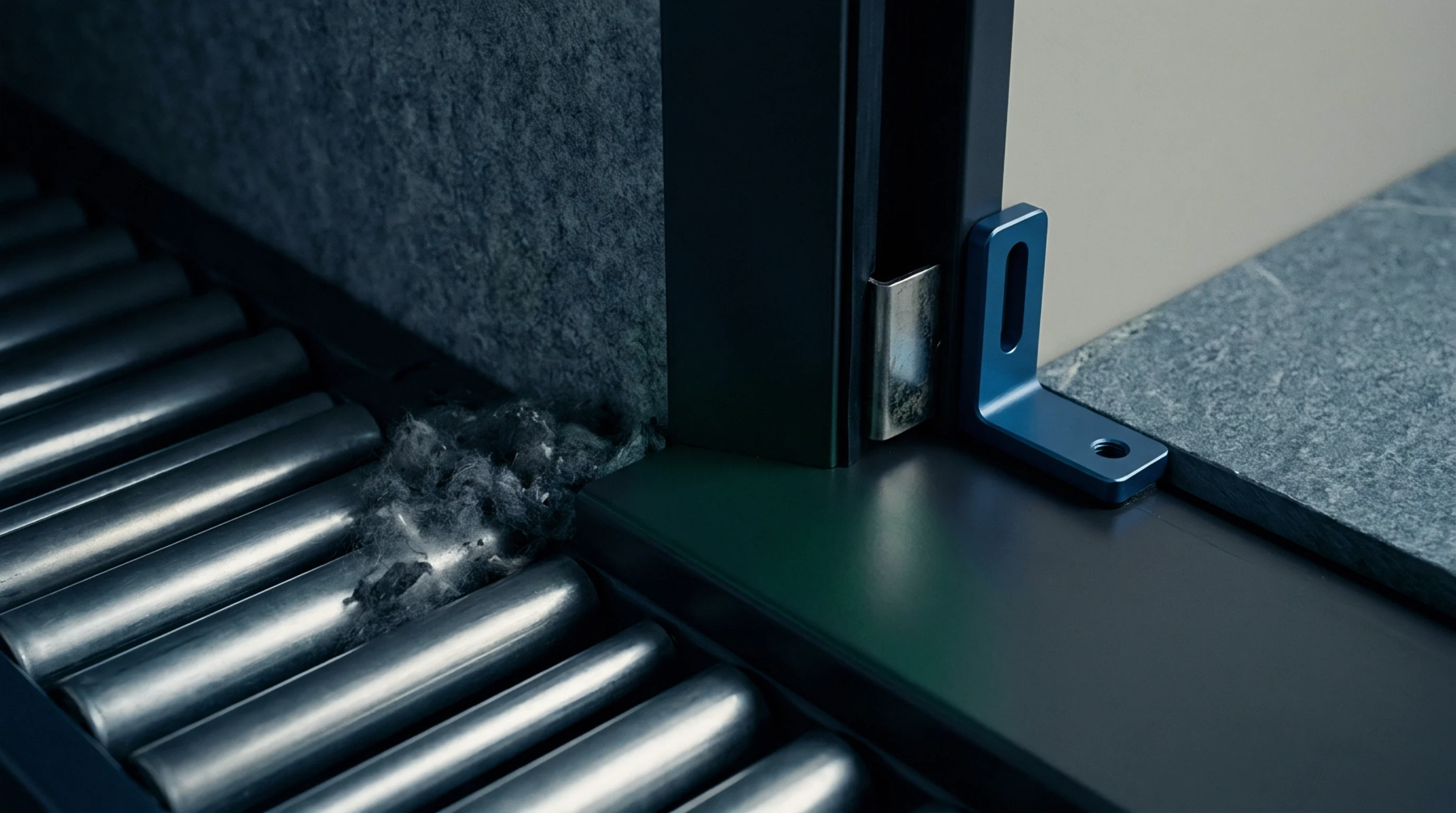
Industrial extraction machines use high-speed rollers that throw the heavier guard hairs out of the main fibre stream. Because guard hairs have a larger diameter and less crimp than down, they are affected differently by centrifugal forces and air currents. The machinery has fine suction chambers that draw the light down fibres upward while the coarse hairs fall into a collection bin.
Adjusting the air velocity allows the operator to control the separation precision.
Down Preservation
Fibre damage must be minimized during the separation process to maintain the average length required for yarn spinning. If the mechanical action of the carding rollers is too aggressive, the fine down fibres will break. Shorter fibres are harder to spin and are more likely to cause pilling in the finished garment.
Gentle, multi-stage processing keeps the down fibres intact while removing the coarse hair.
Textural Outcome
Yarns made from fully refined down are used to manufacture high-end knitwear and woven fabrics that have a soft handle. If any guard hairs remain, they will poke out of the yarn surface and create a prickle effect. Complete extraction ensures a smooth surface that maximizes the market value of the luxury textile.