Pressure Transient
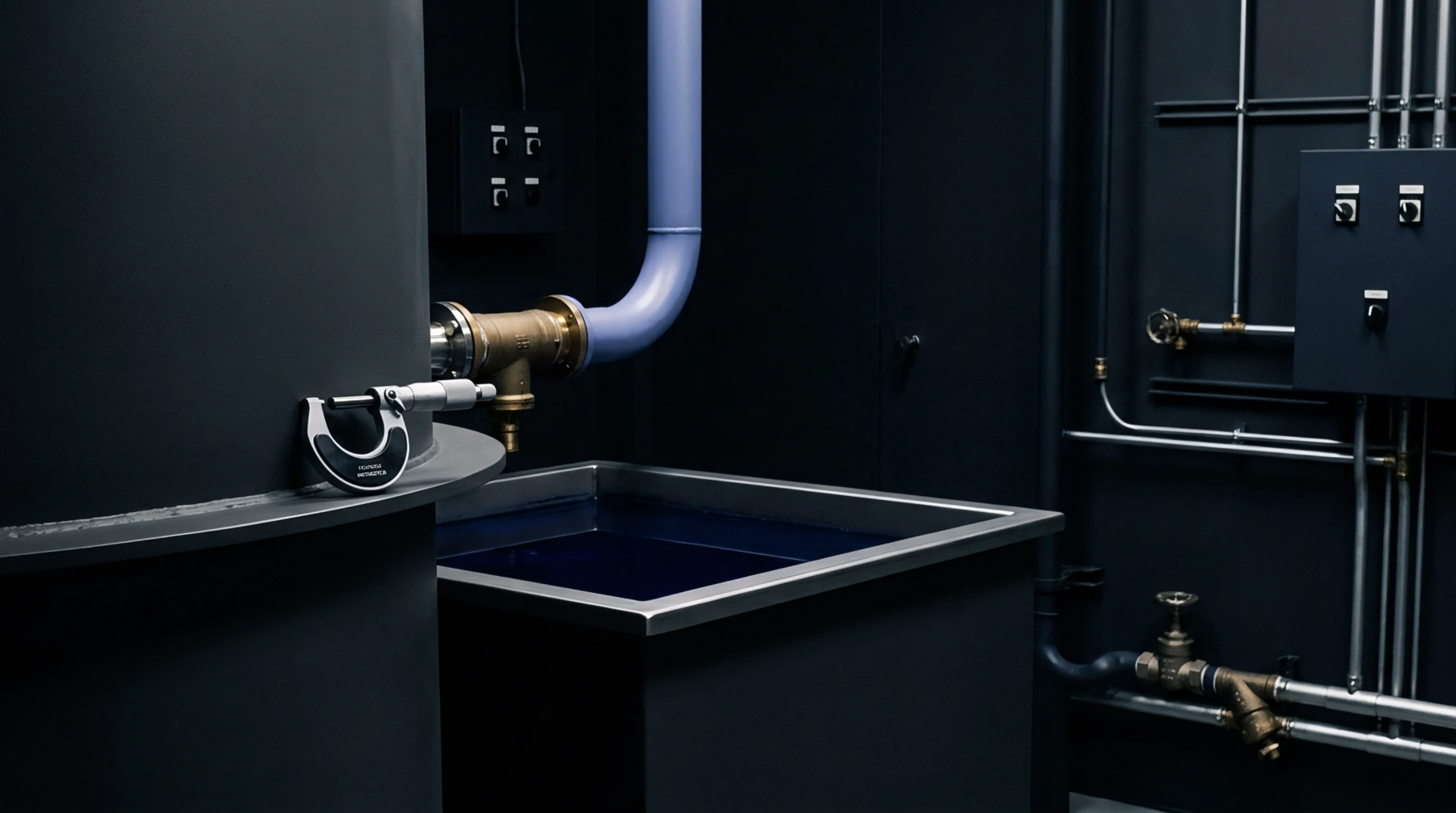
Sudden surge in thermal energy delivery through steam supply lines creates rapid temperature jumps inside textile mill dye vats and stenter heating circuits. A heat exchanger steam spike occurs when control valves open too quickly, releasing high-pressure steam into cold exchanger tubes. This thermal impulse causes extreme temperature gradient shifts, threatening tube joint integrity and forcing unintended bath boiling.
Regulating steam inlet valves prevents sudden thermal surges during wet finishing operations.
Valve Modulation
Pneumatic control actuators adjust steam flow rates to match heat demand curves during chemical bath preparation. When temperature sensors register a cold bath, automated controllers open steam valves to restore operating targets. Fast valve actuation creates a sudden flow surge, producing a heat exchanger steam spike that overshoots target temperatures.
Proportional control tuning dampens valve response speeds, smoothing steam admission over longer intervals. Modulated steam entry prevents water hammer and reduces thermal fatigue on metallic exchanger plates during delicate finishing processes. Overshooting thermal targets damages heat-sensitive synthetic fibers and degrades specialized chemical additives.
Thermal Stress
Metal components expand unequally when exposed to sudden thermal fluctuations during continuous steam cycles. Repeated thermal shock causes micro-cracking along tube sheet welds and flanged connections. Maintenance teams install flow restrictors and slow-opening steam valves to extend equipment operational life.
Inspection Protocol
Ultrasonic testing identifies early wall thinning and weld cracks in steam heat exchangers. Non-destructive testing verifies vessel safety before major production runs. Maintenance logs record pressure peaks to track equipment wear over operational cycles.