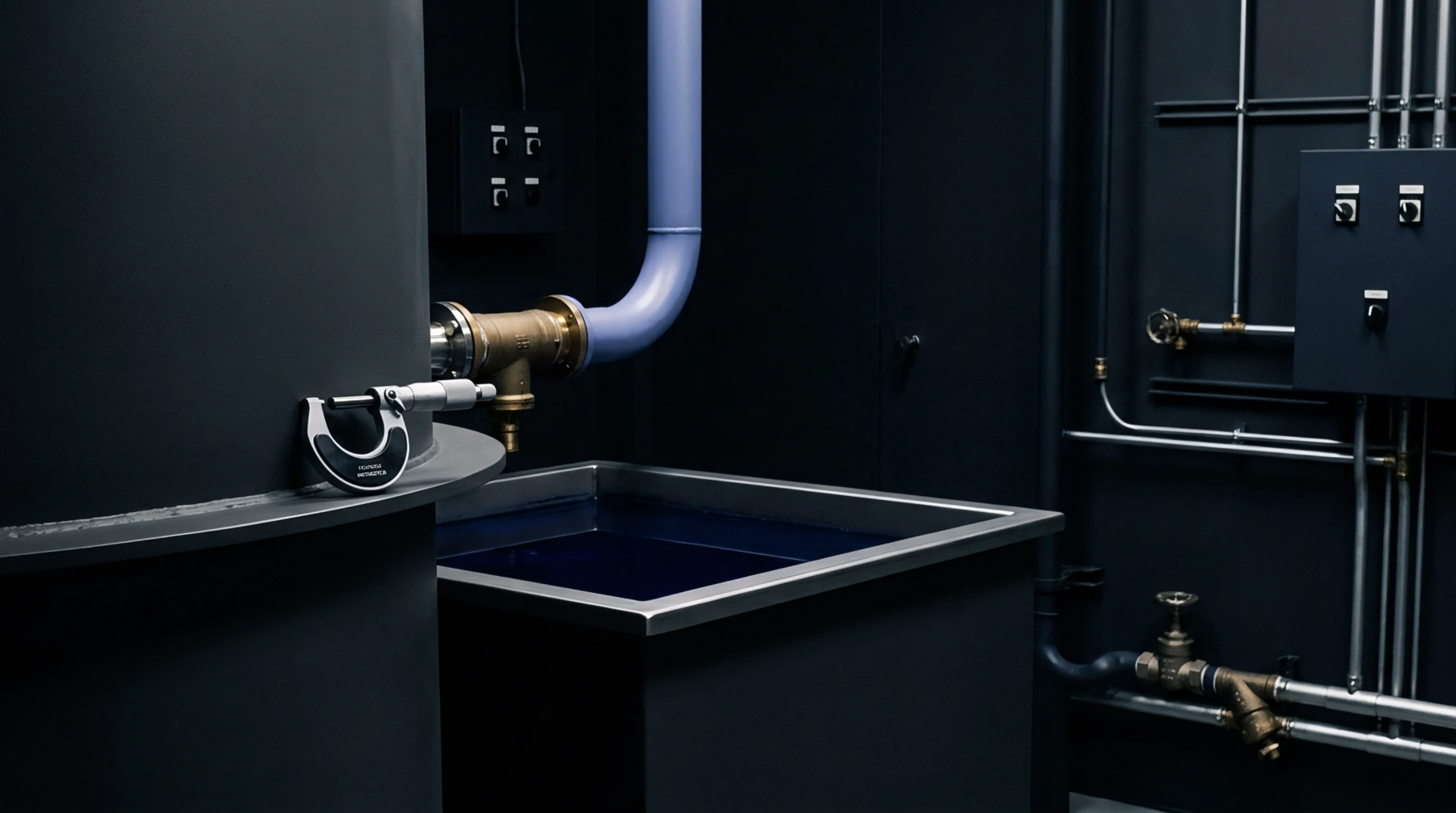
Thermal Buffer
Closed-cell elastomeric insulation mounted around the exterior of dye bath pressure vessels absorbs mechanical shock and dampens thermal radiation spikes during rapid liquor heating cycles. Thermal expansion tank padding protects the hydraulic integrity of pressurized liquid systems by absorbing sudden volumetric surges when process water reaches high temperatures. Hydrostatic stability depends entirely upon this compressible barrier because rigid pipe networks fracture under unchecked pressure waves generated inside enclosed dyeing machines.
Dyehouse engineering teams verify the density and compression set of installed insulation during routine preventative maintenance shutdowns.
System Protection
Pressurized machinery demands continuous dampening to prevent catastrophic rupture during high temperature processing runs. High pressure dyeing equipment subjects internal plumbing to extreme stress whenever liquor temperature increases rapidly within a sealed circuit. Expansion tank padding prevents metal fatigue by functioning as a mechanical shock absorber between the vessel wall and structural mounting brackets.
Technicians calculate required thickness ratings by evaluating maximum operational pressure limits against the known elasticity coefficient of the selected foam material.
Material Specification
Closed-cell neoprene or specialized silicone compounds provide the structural resilience required for prolonged high temperature industrial environments. Chemical resistance against alkaline scouring agents and acidic dye formulations determines the longevity of the protective layer during continuous mill operations. Manufacturers test material samples by subjecting them to repeated cyclic compression testing under elevated temperatures to simulate multi-shift production schedules.
Purchasing departments inspect delivered rolls for uniform thickness and density before authorizing release to the installation crew.
Failure Mechanism
Unprotected expansion vessels experience accelerated micro-cracking along welded joints due to constant thermal expansion and contraction cycles. Sustained vibration without adequate dampening transmits destructive harmonic frequencies directly into the surrounding factory floor and connected piping runs. Regular inspection protocols identify degraded insulation by measuring loss of recovery height after prolonged compression under normal operating loads.
Plant operators replace compromised padding immediately upon detecting diminished vibration absorption capacity to avoid unexpected pressure vessel failure.