Yarn Endurance
Warp yarn behavior during high-speed weaving depends on the capacity of individual strands to withstand repetitive frictional contact against metal loom components. A critical metric in this context is the heddle eye abrasion resistance, which determines how well a yarn resists shredding and breakage under cyclic mechanical load. This performance attribute dictates the efficiency of the weaving shed by preventing premature yarn failure during the insertion of the weft.
Mechanical Wear
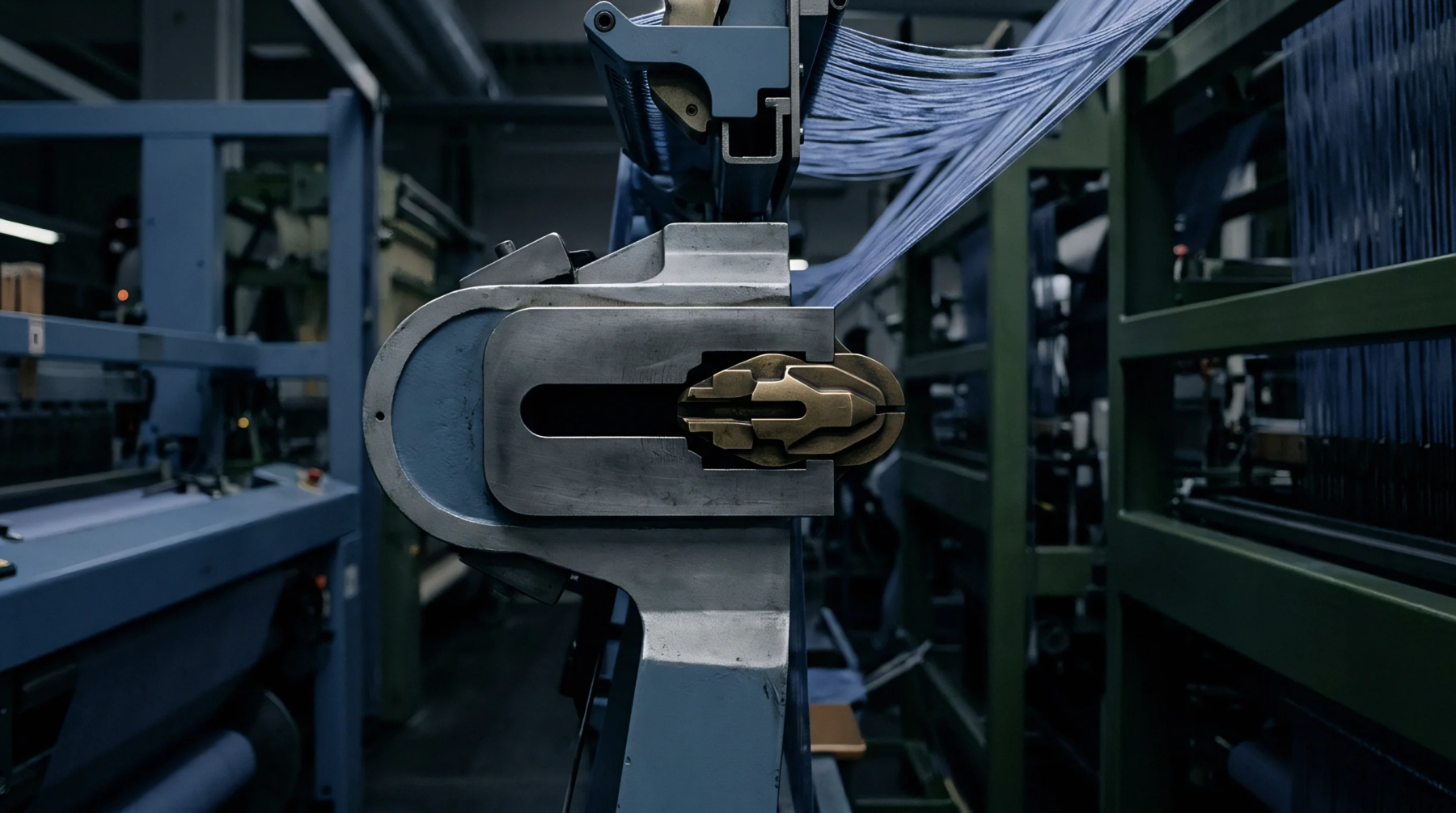
Mechanical action during the shedding cycle forces the yarn to slide through the narrow opening of the harness at high speed and frequency. The heddle eye abrasion resistance determines whether the yarn surface can survive this localized friction without shedding fibers or forming pills. If the yarn lacks sufficient surface cohesion, the outer fibers peel back, creating fuzz balls that block the adjacent warp ends and cause loom stops.
Yarn lubrication and size formulation contribute to the protective barrier that resists this abrasive wear.
Production Impact
Low resistance to this specialized type of friction creates severe operational challenges in the weaving mill. The heddle eye abrasion resistance directly influences the rate of warp breaks, which forces operators to stop the loom to tie broken ends. These frequent stops reduce the overall efficiency of the weaving room and introduce defects like start marks into the grey cloth.
When mills weave dense or complex patterns, the stress on each end increases, making surface protection even more vital to maintaining a high-capacity production schedule. By ensuring adequate lubrication and sizing, a mill can run its looms at maximum speed without compromising fabric quality.
Laboratory Evaluation
Laboratory testing assesses this wear resistance by simulating the cyclic passage of sized yarn through a real heddle under controlled tension. The testing apparatus measures the number of cycles required to abrade the yarn to the point of rupture, providing a quantitative value for heddle eye abrasion resistance. This measurement helps yarn suppliers optimize the concentration of sizing agents and lubricants before sending the warp beams to the weave room.
Sizing recipes are adjusted based on these lab results to ensure consistent performance during industrial production.