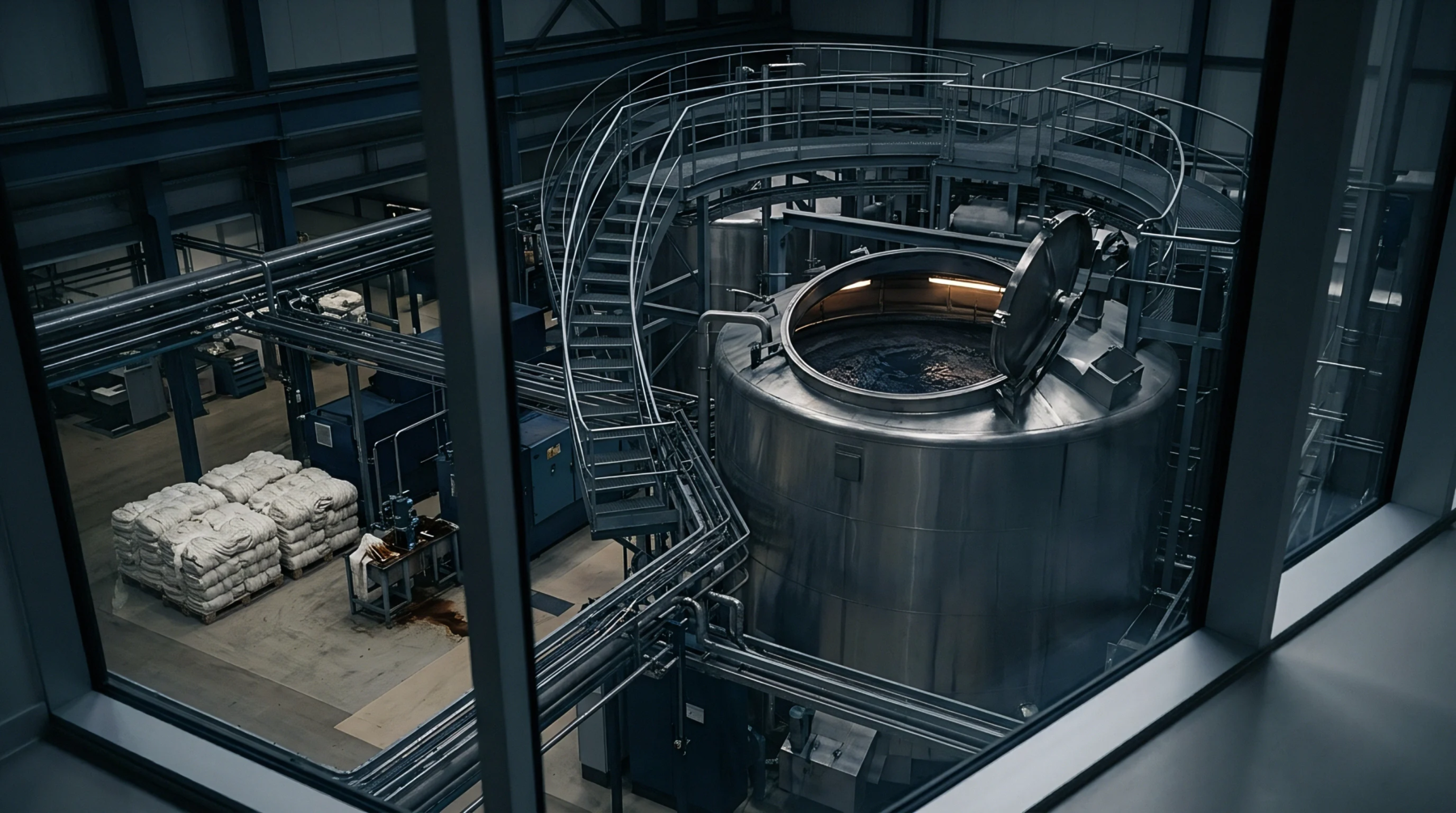
Chemical Release
Spontaneous emission of volatile gases occurs when polymer coatings or finishes react with atmospheric moisture. This hydrolysis offgassing is most prevalent in polyurethane-coated fabrics and certain flame retardant treatments. The reaction breaks chemical bonds, releasing small molecules that can accumulate in confined storage spaces.
Degradation Mechanism
Moisture penetrates the molecular structure of the coating, attacking the ester or ether linkages. This process not only releases odors but also weakens the physical integrity of the material, leading to peeling or tackiness. High humidity and elevated temperatures in shipping containers accelerate the rate of this chemical breakdown.
Analytical testing using headspace gas chromatography identifies the specific compounds being released.
Detection Method
Odor assessment remains the primary field test for identifying the presence of these gases. However, lab-based chamber tests provide a quantitative measure of the total volatile organic compounds (TVOC) produced over a fixed period. Results are compared against safety standards for indoor air quality and consumer exposure.
Material Control
Choosing polycarbonate-based polyurethanes over polyester-based types significantly improves resistance to this form of decay. Incorporating hydrolysis stabilizers into the formulation provides a sacrificial target for the moisture, protecting the primary polymer chains. Proper drying of the fabric before packaging and the inclusion of desiccant packs help manage the environment during transit.
The stability of the finish ensures the product reaches the consumer without unpleasant smells or structural failure.