Fibre Integration
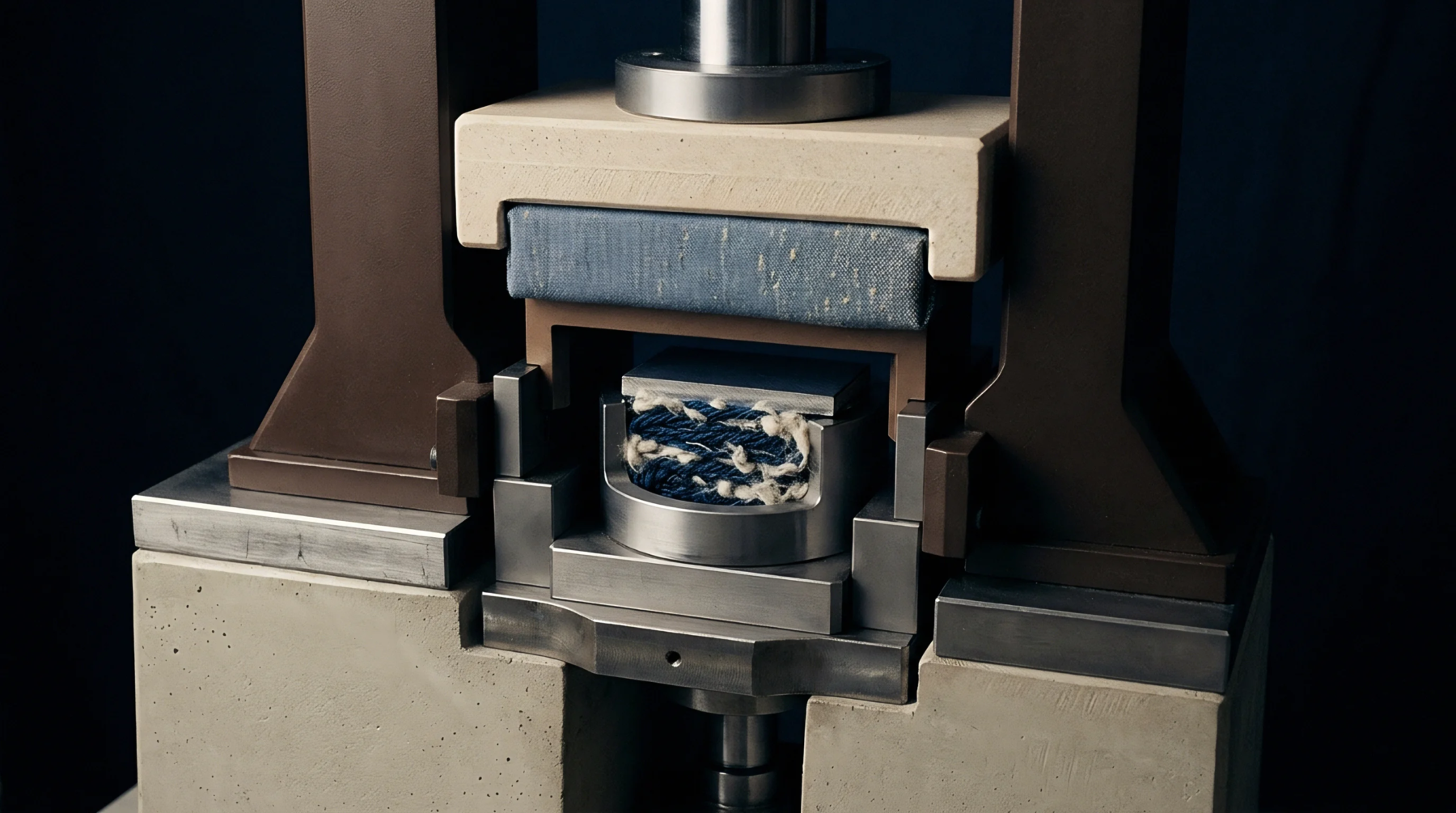
A structural state exists when two or more distinct fibre types are mixed thoroughly at the opening and cleaning stage before spinning. Achieving a consistent intimate blend composition ensures that the physical properties of each component are distributed evenly throughout the yarn. This method contrasts with draw-frame blending where different slivers are combined later in the process.
Performance Balance
Manufacturers select specific ratios of natural and synthetic fibres to optimize moisture absorption and mechanical strength. The intimate blend composition of a cotton and polyester mix dictates how the final fabric will react to heat setting and dyeing. High polyester content improves crease resistance while the cotton portion provides comfort against the skin.
The ratio also affects the yarn hairiness and the pilling resistance of the finished knit or woven surface.
Commercial Testing
Quantitative chemical analysis identifies the exact percentage of each fibre present in a finished garment. Discrepancies in the intimate blend composition can result in the rejection of a shipment if the label does not match the lab report. Testing involves dissolving one component in a solvent and weighing the remaining dry residue.
Dyeing Requirements
Each fibre in the mixture requires a specific class of dyestuff and a tailored temperature profile. An uneven intimate blend composition leads to speckled or heathered effects if the dyeing process is not perfectly controlled. Proper integration prevents these visual defects and ensures a uniform shade across the fabric surface.