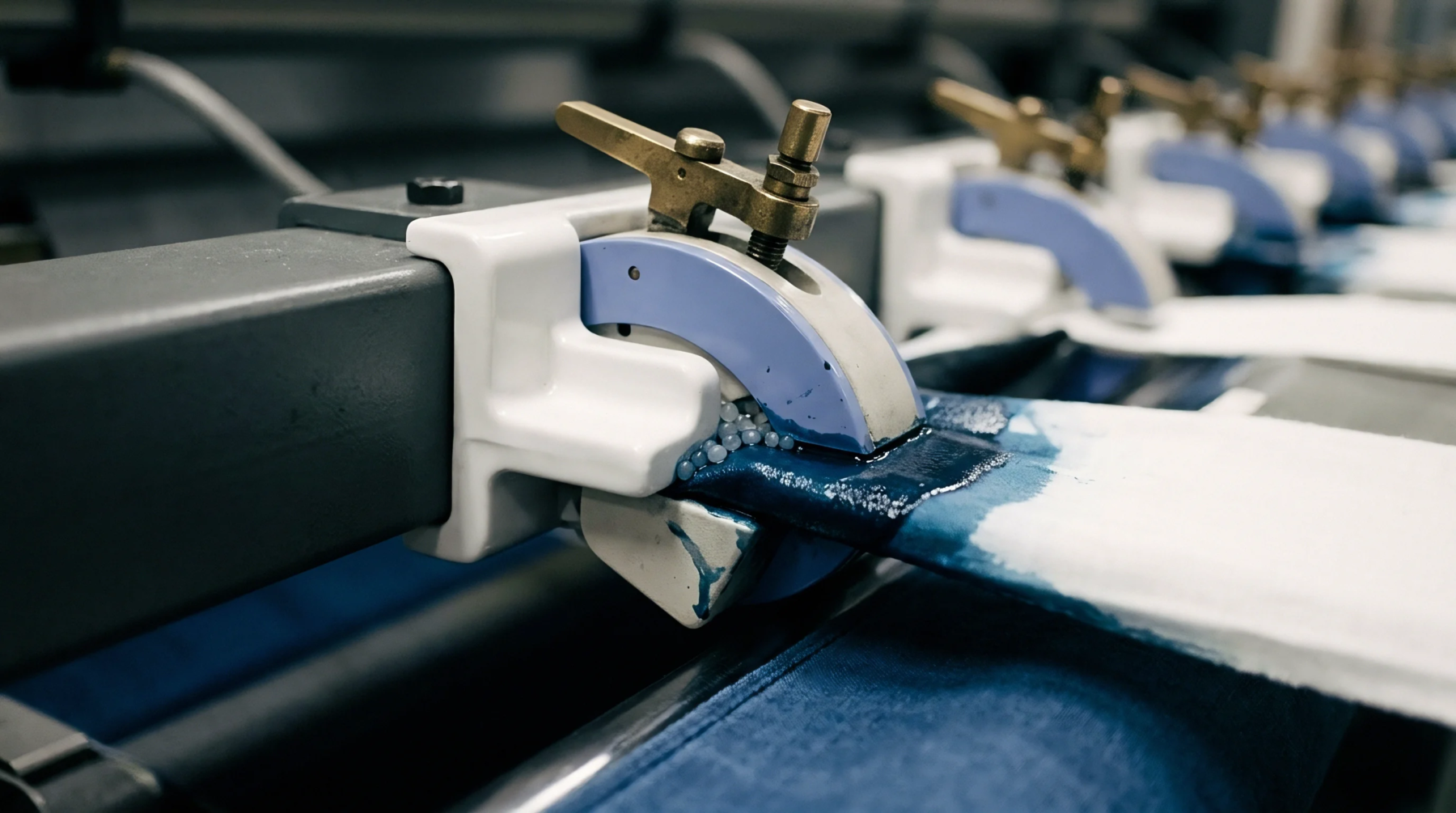
Hydrolyzed Reactive Dye Extraction Kinetics during High Cover Factor Fabric Washing
Dense fabric wash-off requires electrolyte removal below 1 g/L before 95°C soaping to extract residual hydrolyzed dye without fastness failures.
Testing protocols defined by this designation establish the mechanical and chemical parameters for assessing the colorfastness of dyed textiles through repeated laundering sequences. The ISO 105-C10 governs the use of standardized detergents, specific water temperatures, and timed agitation cycles to simulate the wear encountered during typical consumer use. It defines the procedural boundary for how samples are prepared, washed, and ultimately judged for color loss or staining onto adjacent undyed fabrics.
The rule set stops being the primary authority when specialized commercial cycles for medical or heavy protective gear are required, as these use harsher chemistry than what is covered here. Most garment brands require this specific test result to clear bulk production for retail sale.
Samples are sewn together with standard multifiber test strips and then placed in a rotating stainless steel vessel with a controlled volume of reference detergent. During the execution of ISO 105-C10, the container is heated to a set temperature ranging from forty to ninety-five degrees depending on the specified test variant. Agitation is provided by steel balls that strike the fabric to simulate the mechanical stress of a household washing machine.
After the cycle is complete, the samples are rinsed, dried in air, and then meticulously compared to a standard grayscale in a calibrated light box. This comparison detects both the fading of the original shade and the migration of color onto the secondary fiber test strip. The procedure identifies which dyes are loosely bonded and likely to cause complaints during home washing.
Using a numerical scale from one to five allows different laboratories across the world to communicate color performance in a universal language. A result of five indicates that no change was observed, while a one signals catastrophic color loss or heavy staining that makes the fabric unsuitable for use. The standard stops the guesswork in commercial agreements because both the buyer and the mill rely on the same chemical reference to define success.
It checks for resistance against alkaline detergents and the mechanical abrasion of modern wash cycles. If a particular dye recipe fails to achieve a grade of four or higher, it is typically rejected or reformulated before full-scale production starts. The repeatability of the method depends on the consistent quality of the water and detergents used in the lab.
Final approval documentation for export usually contains the results from ISO 105-C10 for every individual colorway in a garment order. A failing score indicates that the dyeing process either used low quality pigments or skipped an essential fixing step in the finishing plant. This verification ensures that the end consumer does not experience ruined laundry when a new dark shirt is washed for the first time.
The data provides a historical record that mill owners use to track the performance of their chemical suppliers over time. Reliable test scores protect the brand reputation and reduce the financial risk of massive item returns. High precision testing remains the core of consumer confidence.
Dense fabric wash-off requires electrolyte removal below 1 g/L before 95°C soaping to extract residual hydrolyzed dye without fastness failures.
Expertise is a utility, not a secret. sentiention™ publishes its working knowledge as open reference: intelligence layer covering the materials it sources, the markets it enters, and the reference that serves both.