Fluid Burst
Evaluating the strength of materials that expand under pressure requires a method that applies force evenly in all directions. The standard known as iso 13938 defines procedures for determining the bursting strength and bursting distension of textile fabrics using pneumatic or hydraulic methods. It is primarily used for knitted, woven and nonwoven materials where tensile strength tests do not capture the multidirectional stresses of the intended use.
This standard is critical for products like hosiery, compression garments and industrial filters that must withstand internal pressure. A high bursting strength indicates a robust material that can maintain its structural integrity when stretched in a hemispherical shape. It provides a numerical value that is essential for quality assurance and technical specifications.
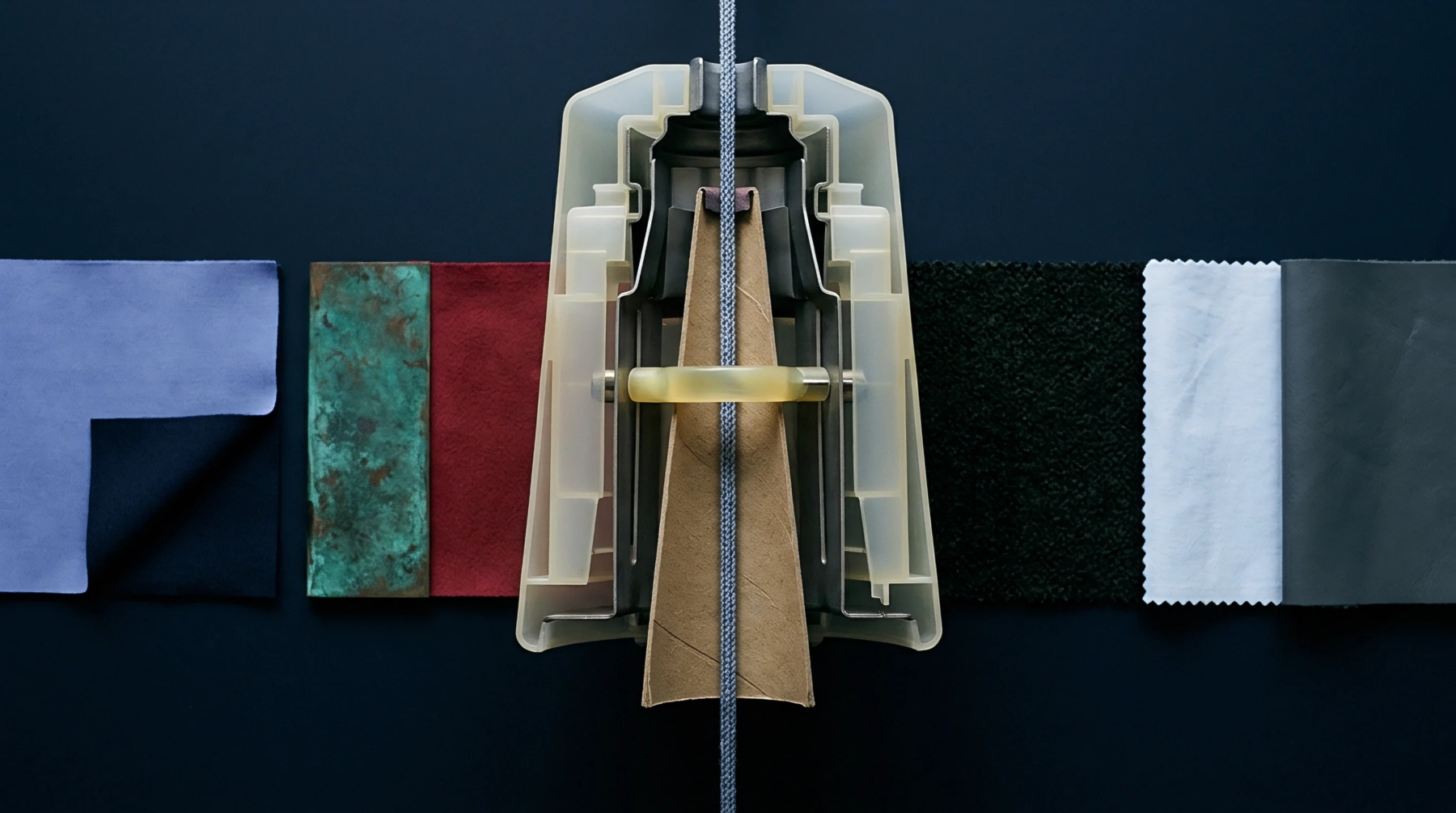
Diaphragm Pressure
The test involves clamping a circular specimen over an elastic diaphragm and applying air or liquid pressure from below to expand the fabric. This process continues until the specimen ruptures, at which point the machine records the peak pressure and the height of the distension. Under the iso 13938 protocol, the rate of increase in pressure or volume is carefully controlled to ensure the results are repeatable across different laboratories.
A technician must ensure that the fabric is clamped firmly to prevent any slippage that would result in an inaccurate reading. The interaction between the expanding diaphragm and the textile fibres mimics the localized pressure on the knees and elbows of a garment. Every yarn in the specimen contributes to resisting the force until the point of failure.
This data helps mills optimize their knitting and weaving parameters for maximum strength.
Quality Verification
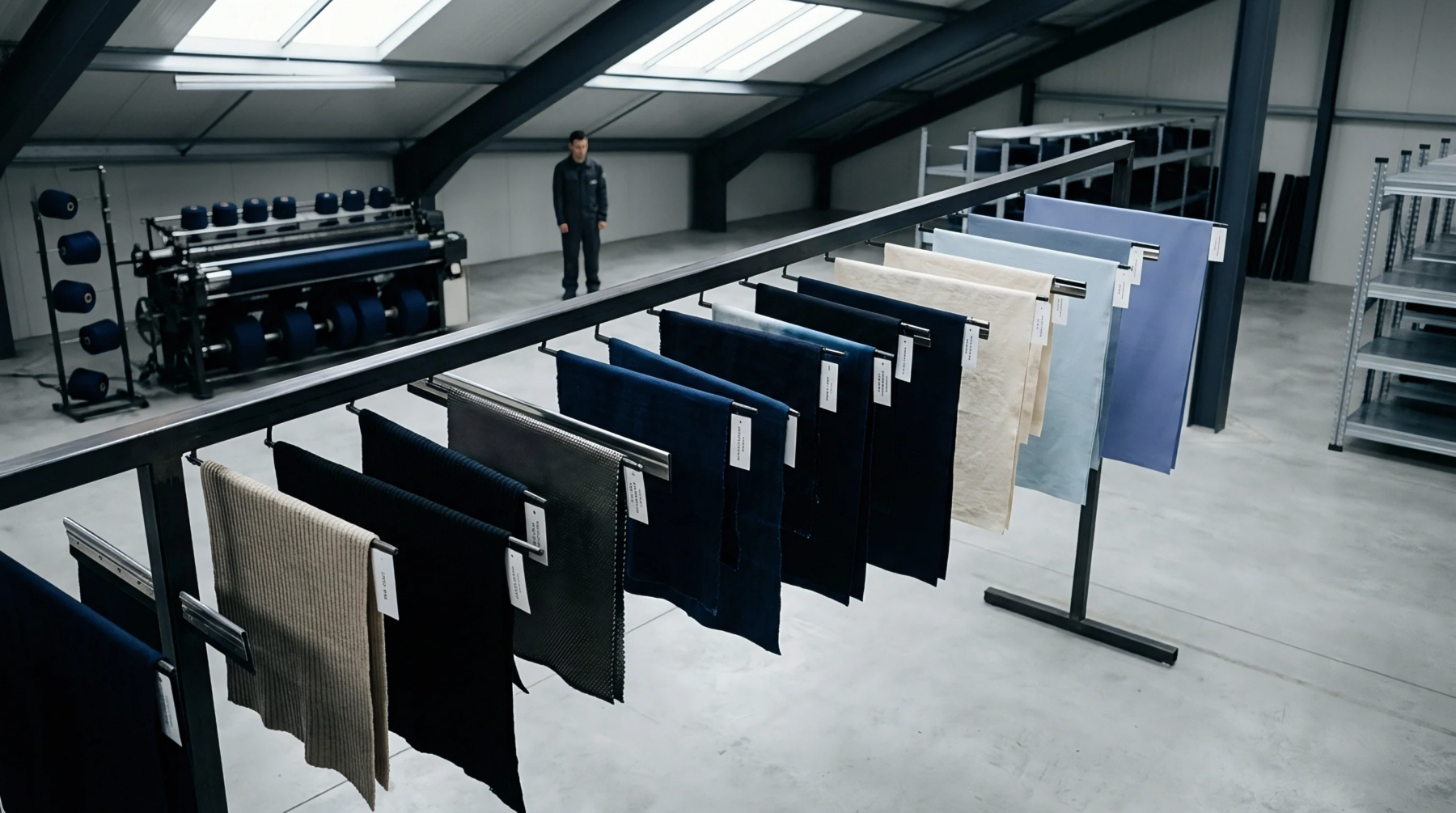
Textile manufacturers and brand owners use these test results to confirm that bulk shipments meet the requirements for high performance apparel. Checking against iso 13938 is a standard part of the quality control process for any fabric that will undergo significant three dimensional stretching during use. If a production lot falls below the required bursting pressure, the mill must investigate the yarn tenacity or the integrity of the fabric construction.
This objective data prevents the distribution of materials that would fail prematurely and lead to customer complaints or safety issues. It also allows suppliers to demonstrate the superior quality of their products to international buyers. The results are documented in a detailed report to provide a traceable history of the fabric’s physical properties.
Quality teams use this information to maintain a high level of consistency in their output.
Physical Boundary
Mechanical properties of the fibres and the structure of the fabric set the limits for how much pressure the material can withstand. Natural fibres like cotton may show different results depending on their moisture content, which makes preconditioning in a standard atmosphere essential for the iso 13938 test. The method stops being accurate if the diaphragm itself fails or if the specimen is too stiff to allow for the necessary distension.
This metric does not account for the effects of long term wear or chemical degradation on the bursting strength of the fabric. It provides a measure of instantaneous failure rather than a prediction of the total lifespan of the product. Manufacturers must balance the need for high strength with the desired flexibility and comfort of the textile.
Coatings and finishes can alter the results by changing the friction between the yarns.