Testing Protocol
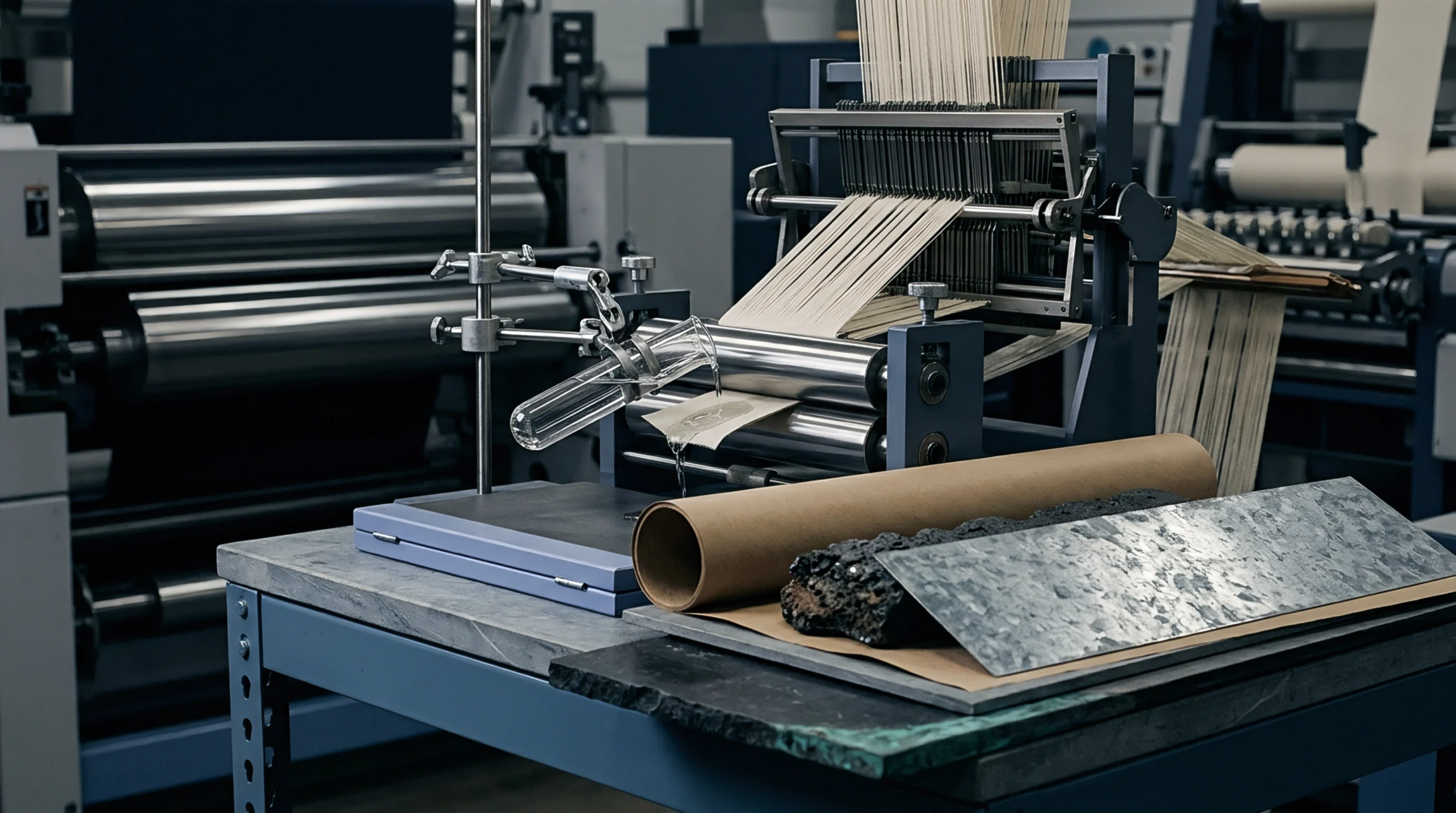
Testing protocols for free and hydrolyzed formaldehyde provide a standardized way to measure the concentration of this restricted substance in textiles using water extraction. Adherence to iso 14184-1 formaldehyde allows mills to verify that their products are safe for skin contact. The procedure involves heating a fabric sample in water at forty degrees Celsius to release the chemical.
A result from this method is the primary reference for most global safety certifications. Precise temperature control is required throughout the test.
Water Extraction
Liquid samples collected during the process contain the formaldehyde that has migrated from the cloth. During the execution of iso 14184-1 formaldehyde, the water must be filtered to remove any loose fibres or debris. Clear extracts are necessary for accurate photometric measurement.
Colorimetric Analysis
Chemical reagents added to the extract produce a yellow colour when formaldehyde is present. The intensity of this colour is measured to determine the exact concentration of iso 14184-1 formaldehyde in the material. Analysts compare the result against a calibration curve.
Limit Compliance
Results are reported in parts per million to ensure they fall below the maximum allowable levels. Because iso 14184-1 formaldehyde provides a reliable measure of readily available toxins, it is used for both raw fabric and finished garments. Consistent testing across batches prevents the distribution of hazardous goods.