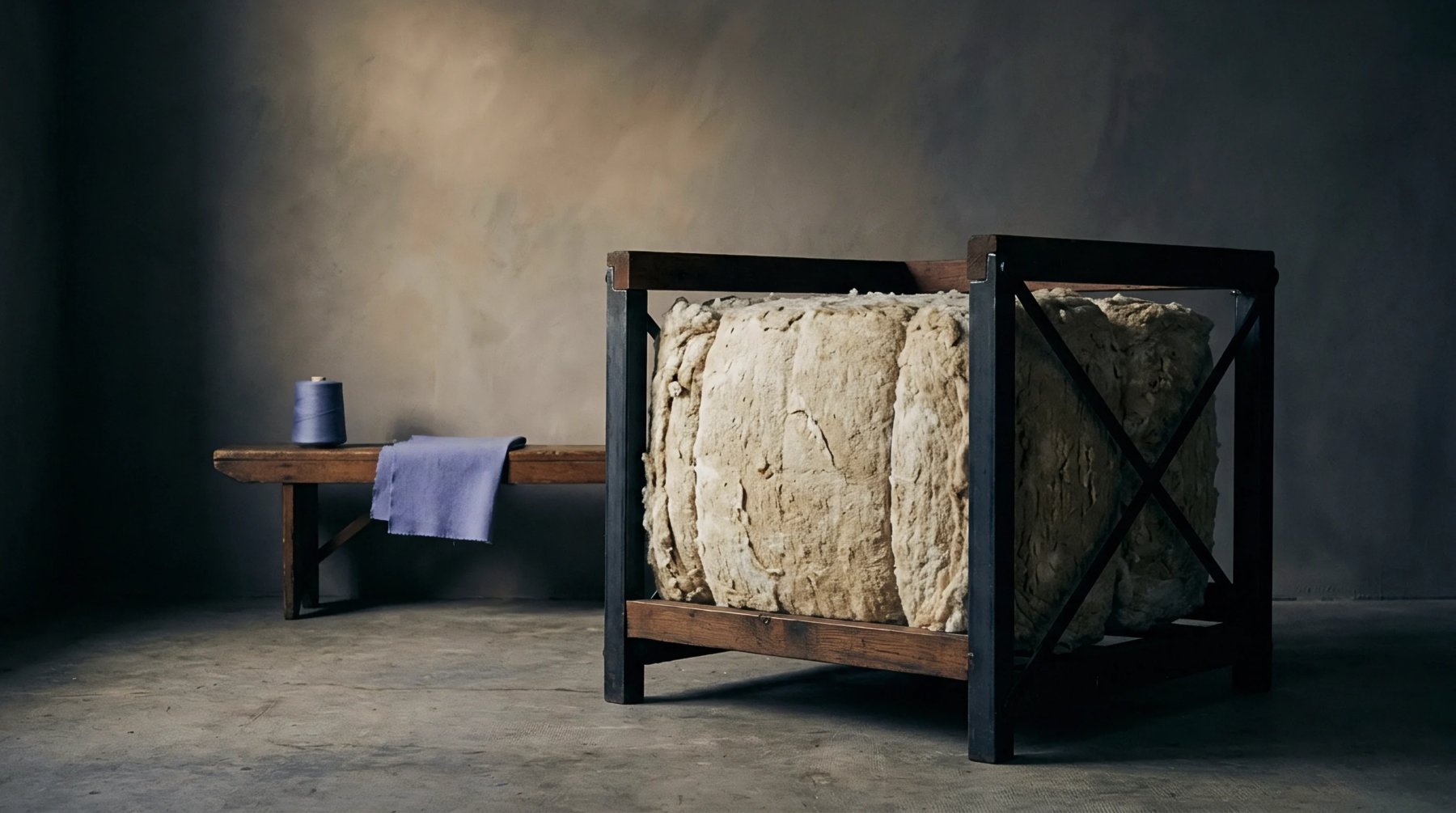
Determining Raw Cashmere Micron Profiles and Dehairing Yields
Determining raw cashmere value requires combined OFDA micron profiling and oven-dry yield mass balance testing to calculate true clean dehaired cost.
Identification of mixed animal hair fibres within a fabric sample is achieved through a specific protocol using fluorescent lighting and advanced light microscopy. Procedures detailed in iso 17751-3 offer a hybrid approach to fibre typing that combines the ease of optical viewing with chemical staining to highlight specific protein markers. This method is used primarily for rapid screening of high volume apparel shipments before they leave the factory gate or cross national borders.
It provides a visual check on fibre blending that allows technicians to see how different hair types are distributed across the yarn cross section. The testing target remains the elimination of sheep wool or low grade goat hair from shipments that are sold as premium luxury goods.
Samples are treated with dyes that react differently to the chemical composition of the various keratin types present in natural textile fibres. Under iso 17751-3, the intensity of the light reflected off the dyed scales tells the lab worker if the fibre is cashmere or a similar wool substitute. This visual contrast makes it much easier to detect contaminants without the high cost and time commitment of full electron scanning on every batch.
The methodology specifies the exact chemicals used and the temperature at which the reaction must take place to avoid false positives. It creates a reliable way to verify quantity within blends where precise percentage tracking is required for accurate import tariff assessment.
Quality of the result depends heavily on the condition of the dyes and the calibration of the fluorescent source used in the laboratory environment. Working within iso 17751-3 requires that the analyst follows a strict sequence of washing and immersion to ensure the surface is ready for the reaction. The standard remains unsuitable for synthetic blends or fibres that have been bleached white, as the removal of natural pigments interferes with the dye absorption.
Instead, it works best on natural or lightly dyed yarns where the underlying protein structure remains intact and receptive. If the test results come back as inconclusive, the procedure usually recommends an upgrade to the more granular electron beam tests specified in the earlier parts of the 17751 series.
Formal documentation from these tests accompanies the mill invoice to serve as a guarantee of fibre content consistency throughout the production run. Using iso 17751-3 allows a garment manufacturer to test small quantities of every roll without incurring the massive fees associated with deep scientific research. This keeps the testing budget manageable while maintaining a strong deterrent against suppliers who might try to mix in cheaper raw materials during weaving.
Each completed test report must define the count of fibres checked and provide clear images of the fluorescent reactions seen on the slide. Trade agreements between fibre sources and brands often cite this standard as the minimum acceptable level for routine quality assurance. Order in the wool trade is maintained through these rapid but verifiable chemical checks on animal fibre morphology.
Determining raw cashmere value requires combined OFDA micron profiling and oven-dry yield mass balance testing to calculate true clean dehaired cost.
Expertise is a utility, not a secret. sentiention™ publishes its working knowledge as open reference: intelligence layer covering the materials it sources, the markets it enters, and the reference that serves both.