Metrological Standard
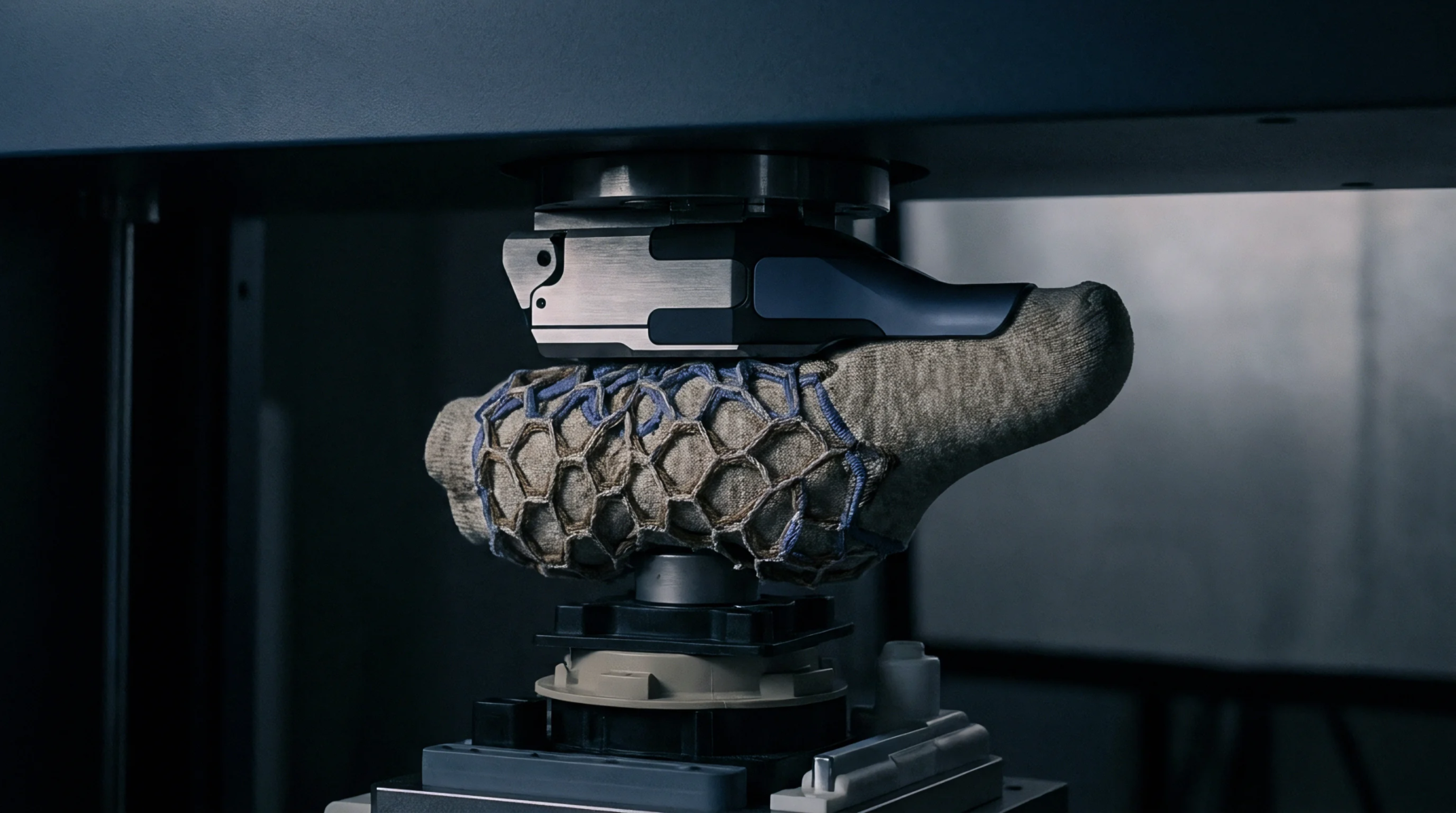
A metrological standard specifies the method for determining the distance between the face and back of a textile fabric under a defined pressure. Applying the iso 5084 thickness test involves placing a sample on a reference plate and lowering a circular presser foot onto it. This measurement is necessary for technical fabrics used in filtration or insulation where consistent loft is required.
Test Procedure
The procedure requires the application of a known force, usually between 0.1 and 1 kilopascal, to the fabric surface. Under the iso 5084 thickness test, the dwell time is strictly controlled to allow the fibres to settle before the reading is taken.
Compression Response
Different fabric structures like knits or high-pile fleeces show different levels of sensitivity to the weight of the presser foot. The iso 5084 thickness test provides a repeatable framework so that a mill in one country and a buyer in another achieve identical results on the same batch. Laboratory technicians must ensure the sample is flat and free of wrinkles before the foot descends.
Variations in humidity can also alter the thickness of natural fibres, so testing occurs in a conditioned environment. Data collected from this method informs the settings for downstream processes like thermal bonding or coating application.
Material Scope
Certain heavily embossed or uneven fabrics might require modifications to the foot size or pressure levels. The iso 5084 thickness test is not intended for floor coverings or non-woven geotextiles that follow separate dedicated standards.