Fluid Shear
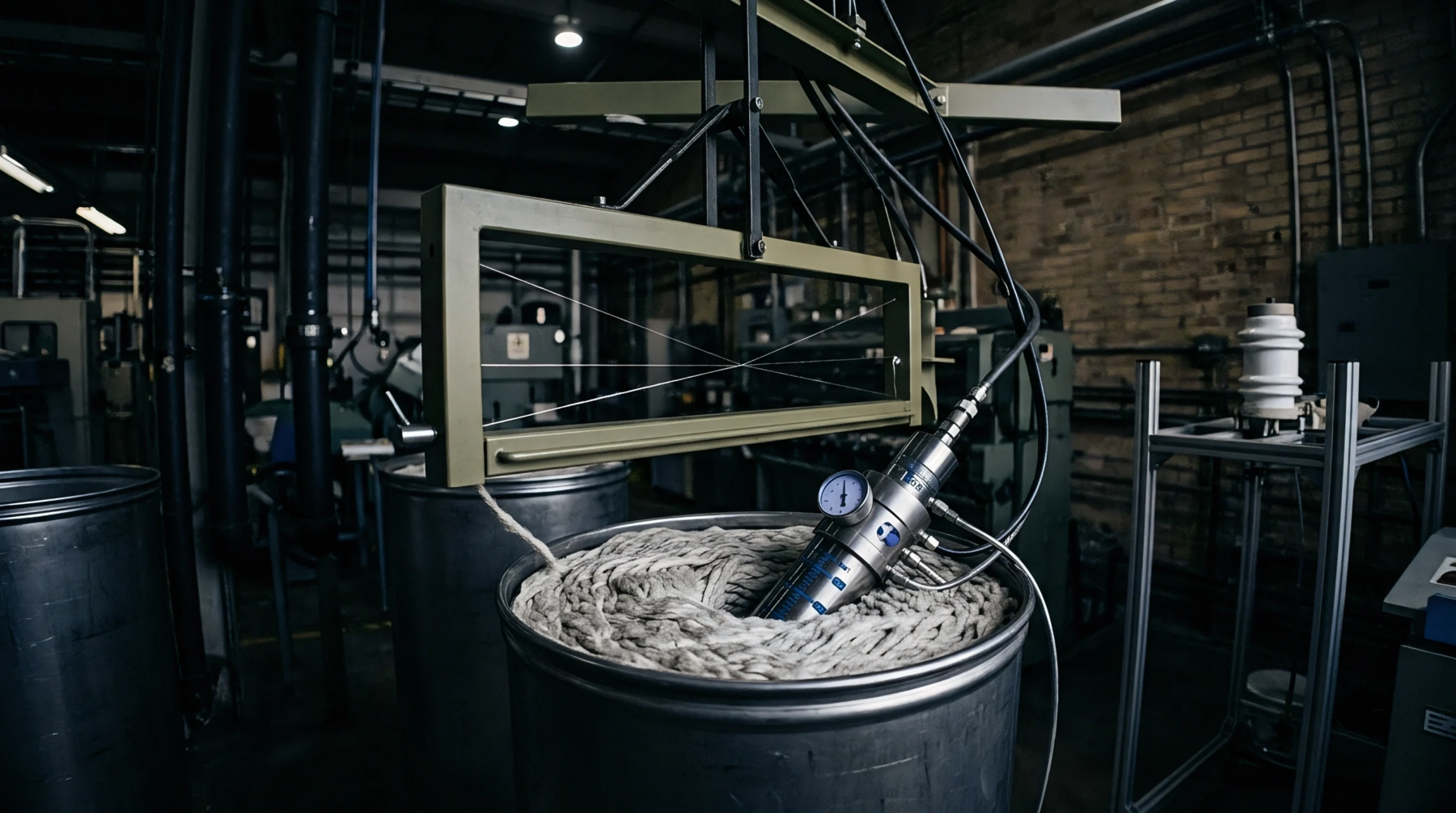
Fluid mechanics within venturi tubes and restricted orifices determines the kinetic energy transfer between circulating dye liquor and rope-form fabrics in soft-flow or jet machinery. Within this restricted flow geometry, jet nozzle hydrodynamics governs the pressure drops and fluid velocities that propel fabric through the machine without mechanical reels. The domain covers liquid acceleration, venturi suction, and boundary layer shear inside the nozzle throat.
Hydrodynamic control ends when the fabric exits the jet tube into the main storage chamber where gravity and liquor accumulation drive movement.
Velocity Profile
High fluid shear inside the nozzle throat opens yarn structures, promoting rapid liquor exchange and uniform dye penetration across dense knitted constructions. Controlled jet nozzle hydrodynamics creates venturi pressure drops that draw fabric ropes through the chamber at speeds reaching five hundred meters per minute. Adjusting nozzle gap clearance alters velocity profile without increasing total pump pressure, preserving delicate fabric surfaces from mechanical pilling.
Fabric Transport
Fabric velocity must match liquor flow rate to prevent rope stoppage or tension spikes that cause permanent surface creasing. Liquid momentum carries the web through the transport tube while maintaining uniform contact between dye liquor and fiber bundles.
Machine Boundary
Machine operational limits depend on nozzle diameter matching fabric weight per linear meter. Incorrect nozzle selection during jet nozzle hydrodynamics produces excess turbulence or insufficient driving force, causing fabric entanglements inside the main vessel. Modern machines utilize interchangeable nozzle inserts to accommodate delicate silk fabrics or heavy polyester blend fleeces within the same vessel chassis.