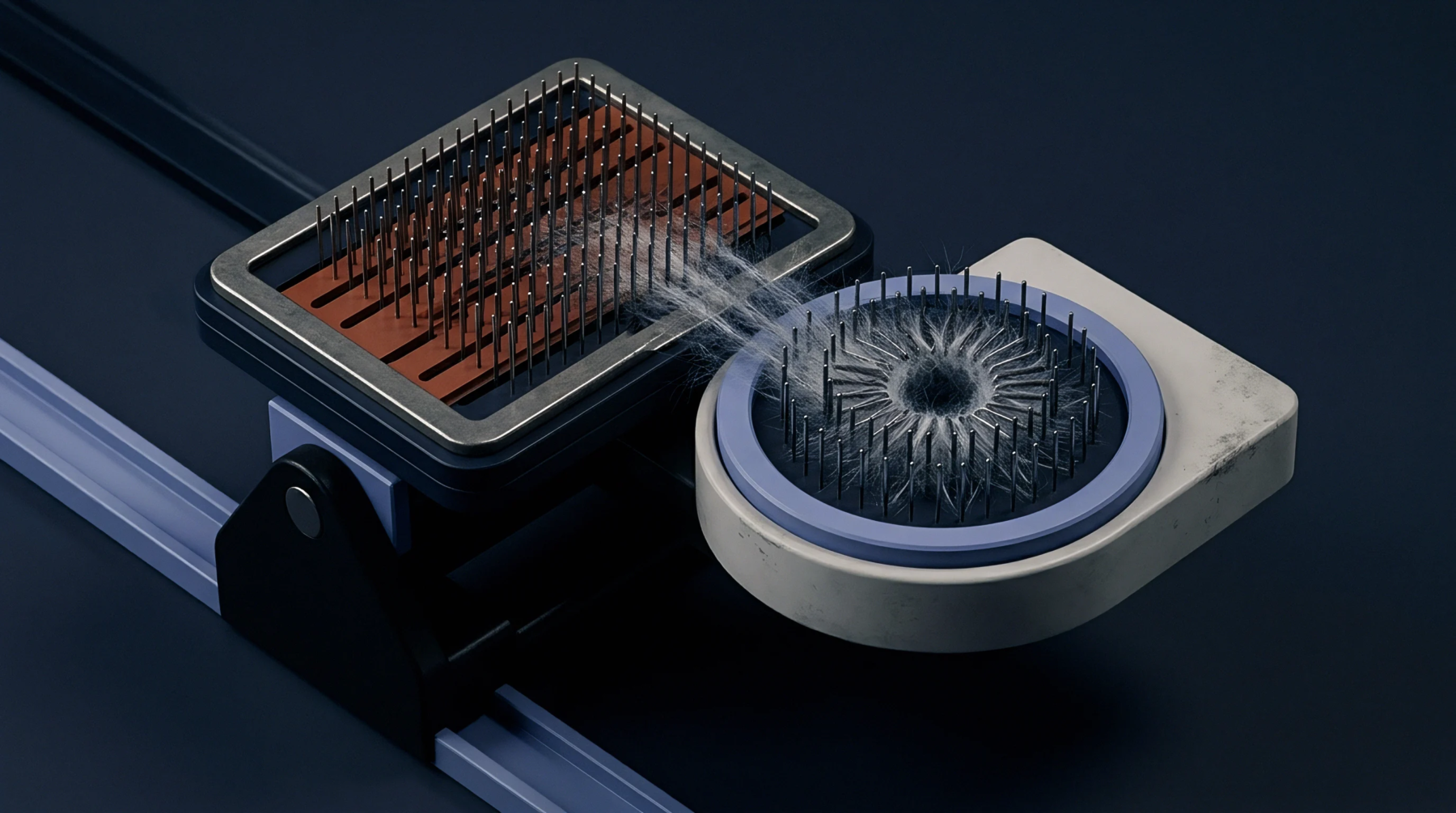
Actuator Strain
Mechanical load placed on a piezoelectric element during high speed droplet ejection affects the long term reliability of digital printing hardware. Jetting frequency stress increases as the machine attempts to output more linear meters of fabric per hour. At extreme speeds, the ceramic components may not return to their neutral state before the next electrical pulse arrives.
Fluid Dynamics
Rapid firing cycles create heat within the ink and the surrounding nozzle plate. Under intense jetting frequency stress, the ink chemistry might change or pigments may settle more quickly due to local temperature spikes. Maintaining a stable environment inside the printhead prevents the onset of erratic firing behavior.
Hardware Longevity
Production environments that push equipment to its limits often see a faster decline in head health. Excessive jetting frequency stress leads to micro cracks in the actuator or permanent loss of nozzle function. Managing the speed of the print bridge against the durability of the heads is a key operational trade off.
Performance Monitoring
Modern software tracks the total number of pulses delivered by each nozzle to predict when maintenance is required. By reducing the jetting frequency stress through optimized waveform design, mills can extend the interval between expensive component replacements. Stability at high throughput is the primary goal for industrial scale textile printers.
Sustained operation at the edge of mechanical limits requires precise cooling and high quality ink.