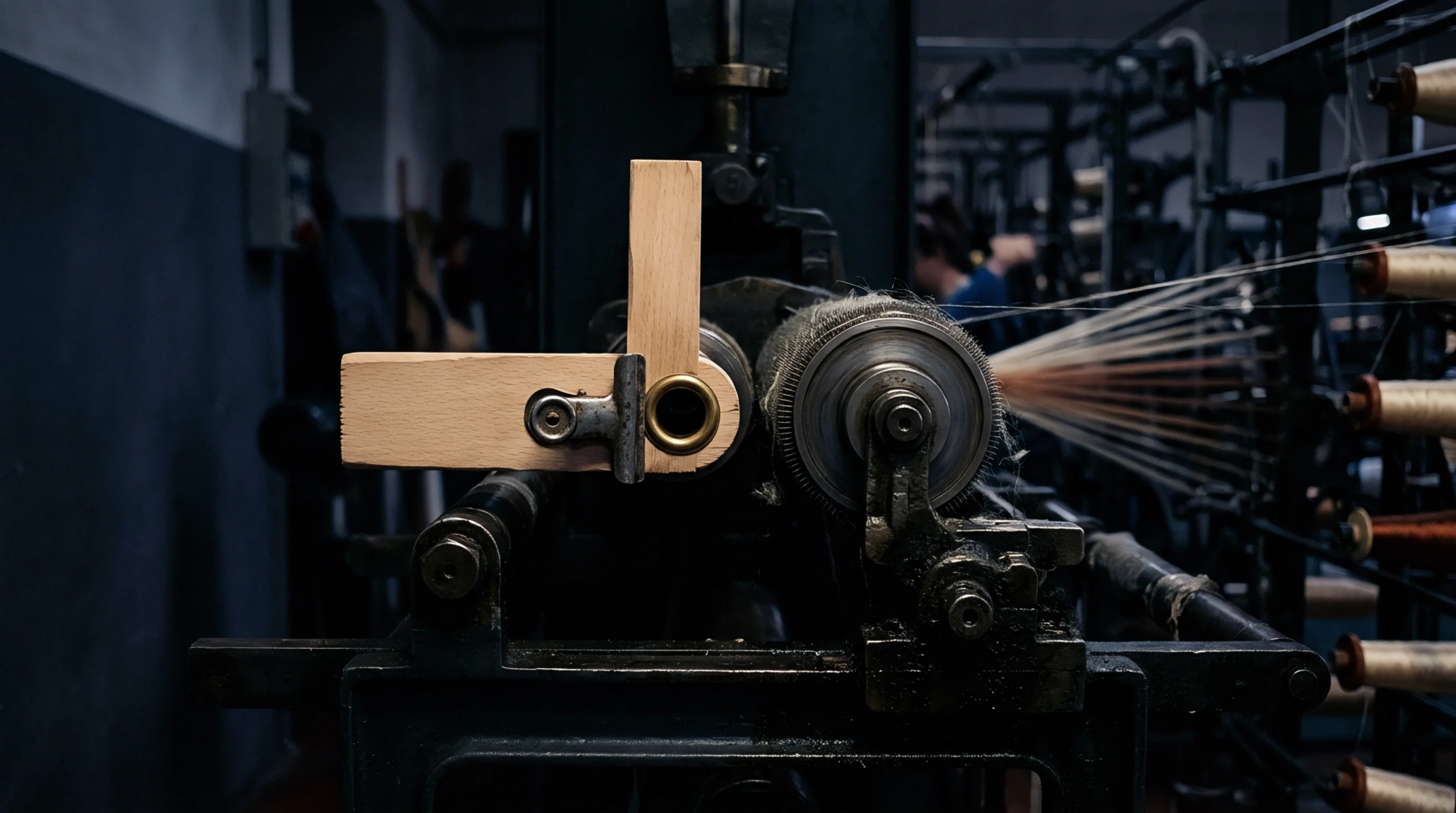
Processing Yield
Secondary collection systems capture short airborne fibers during the mechanical cleaning of raw cotton or wool. Successful lint loss recovery increases the overall efficiency of a spinning mill by reducing the volume of saleable fiber sent to waste containers. Recovered materials are often redirected into lower grade applications or non woven felt production.
Fiber Conservation
Mechanical filters and high pressure cyclones extract particulates from the air streams generated by lint cleaners. Efficient lint loss recovery depends on the correct adjustment of differential pressure across the screen meshes to avoid trapping full length fibers. When these systems operate effectively, they lower the environmental impact of the mill by consolidating fine dust into manageable bales.
Technicians monitor the moisture content of the waste stream to prevent the clumping that blocks recovery ducts.
Economic Calculation
Valuation follows the market price for comber noils or industrial grade fiber fill. Implementation of lint loss recovery lowers the raw material cost per pound of yarn by clawing back lost weight during the opening phase.
Operational Efficiency
Routine clearance of primary filtration units keeps the air quality within workplace safety limits. A high rate of lint loss recovery confirms the technical health of the carding department.