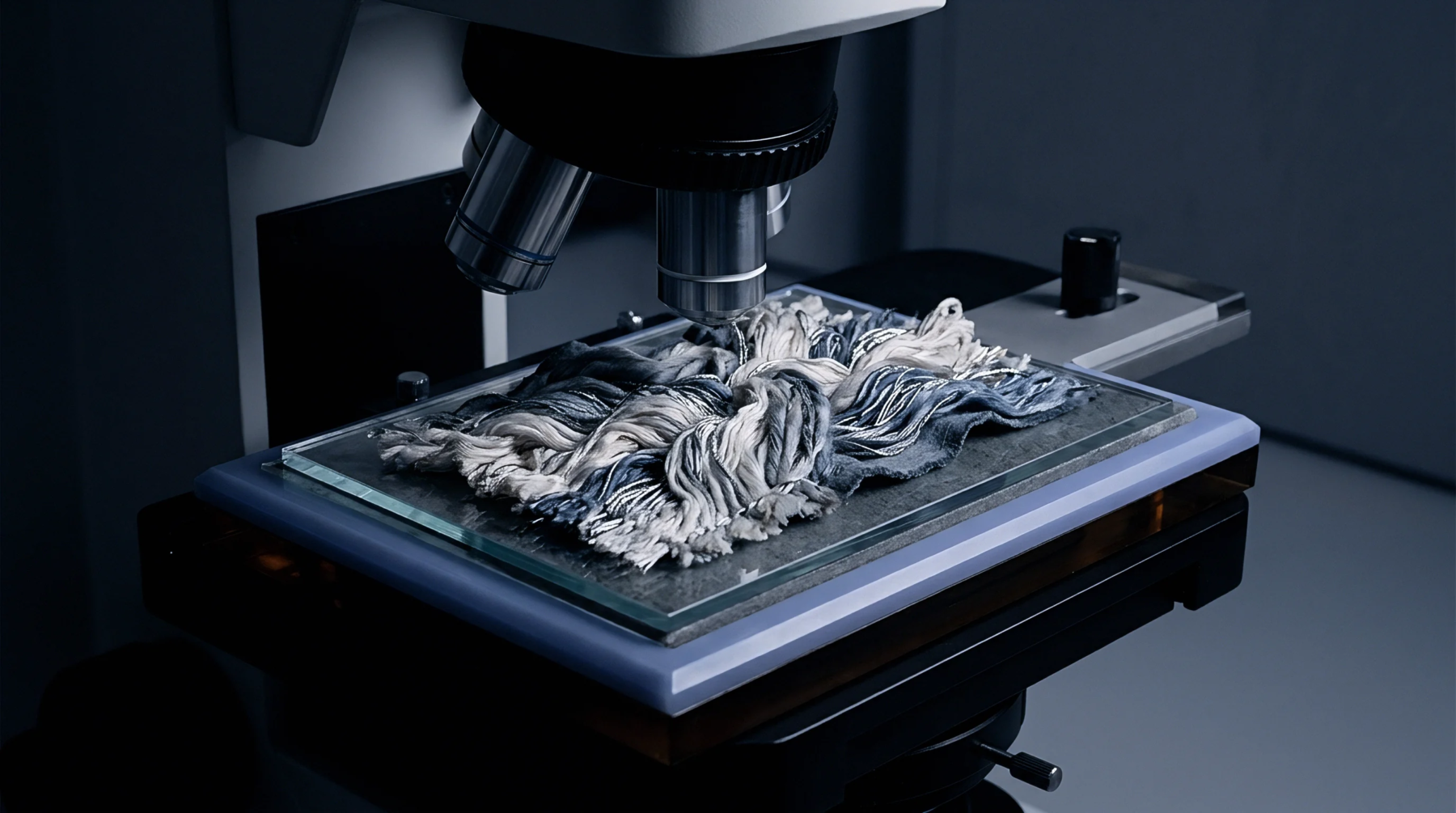
Optimization Objective
Optimization processes aim to minimize the volume of high-quality fiber discarded during the removal of trash and contaminants. Achieving lint loss reduction requires the precise adjustment of air pressure and sensor timing in pneumatic ejection systems. Efficient systems ensure that the mechanical force applied to a piece of plastic or leaf does not also sweep away a large cluster of surrounding cotton.
Economic Benefit
Retaining every gram of usable fiber directly lowers the waste factor of the spinning mill. When lint loss reduction is prioritized, the cost savings across a thousand-ton contract become substantial. Small improvements in the precision of the separator nozzle lead to measurable increases in the final weight of the yarn produced.
This efficiency is verified by weighing the final output against the input and calculating the yield percentage, which acts as a financial performance indicator for the entire production line.
Mechanical Adjustment
Tuning the duration of the air pulse is the most common method for refining the separation. Successful lint loss reduction depends on the valve responding fast enough to hit only the identified target. If the pulse stays open for an excessive period, the trailing edge of the air stream catches clean lint that was following the contaminant into the next processing stage.
Production Tradeoff
There is a physical limit to how much material can be saved while still ensuring the lint is clean. Pursuit of lint loss reduction must not come at the expense of the final yarn quality. Monitoring the trash content in the primary output ensures that the efficiency gains do not lead to a higher rate of defects in the fabric.