Bath Dilution
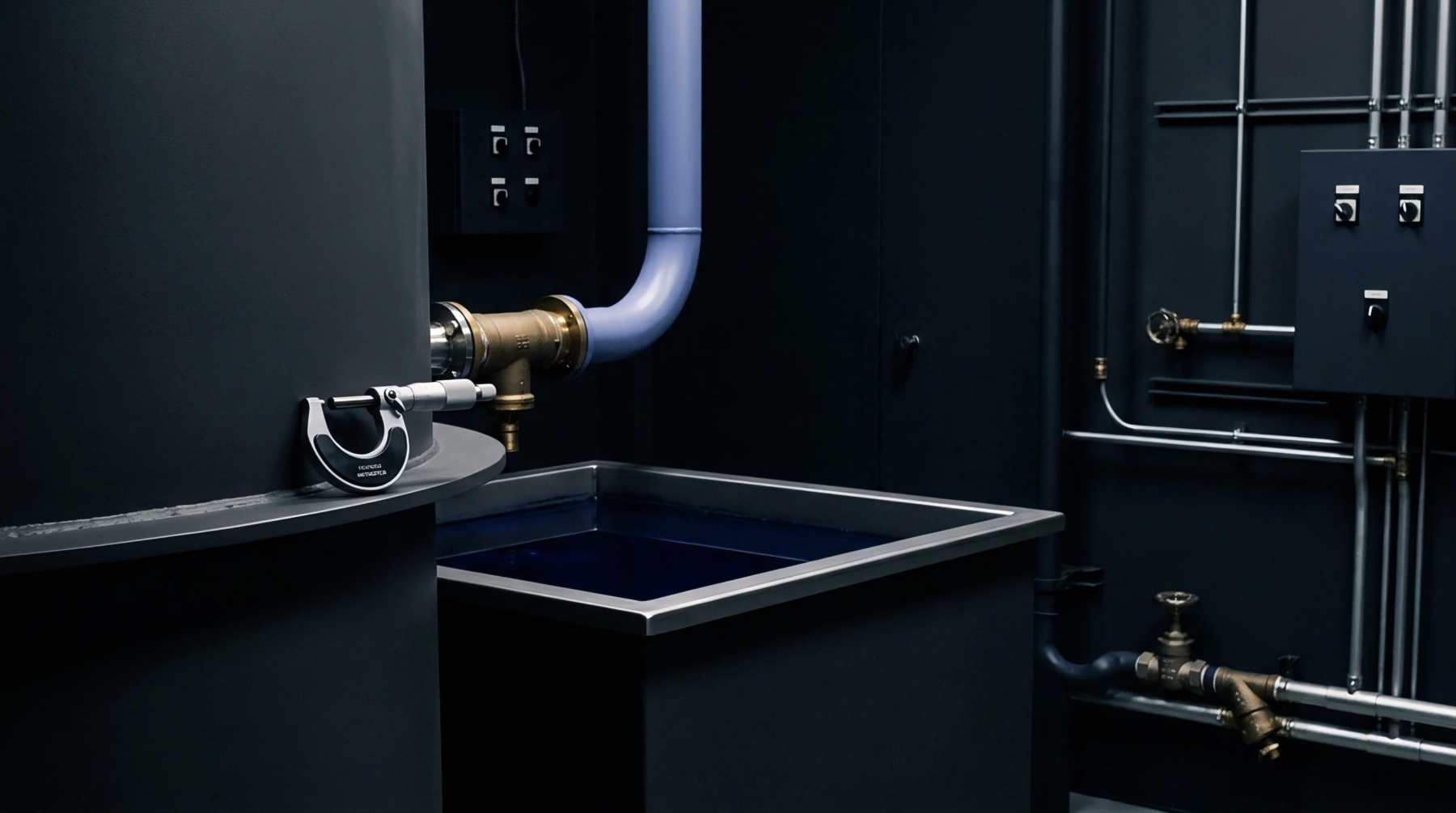
Chemical bath proportions must remain constant to ensure that the concentration of dissolved chemicals does not fluctuate during the cycle. Achieving liquor ratio stability prevents variation in shade between the starting and ending batches of a production run. This control is essential for high-quality finishing.
Shade Uniformity
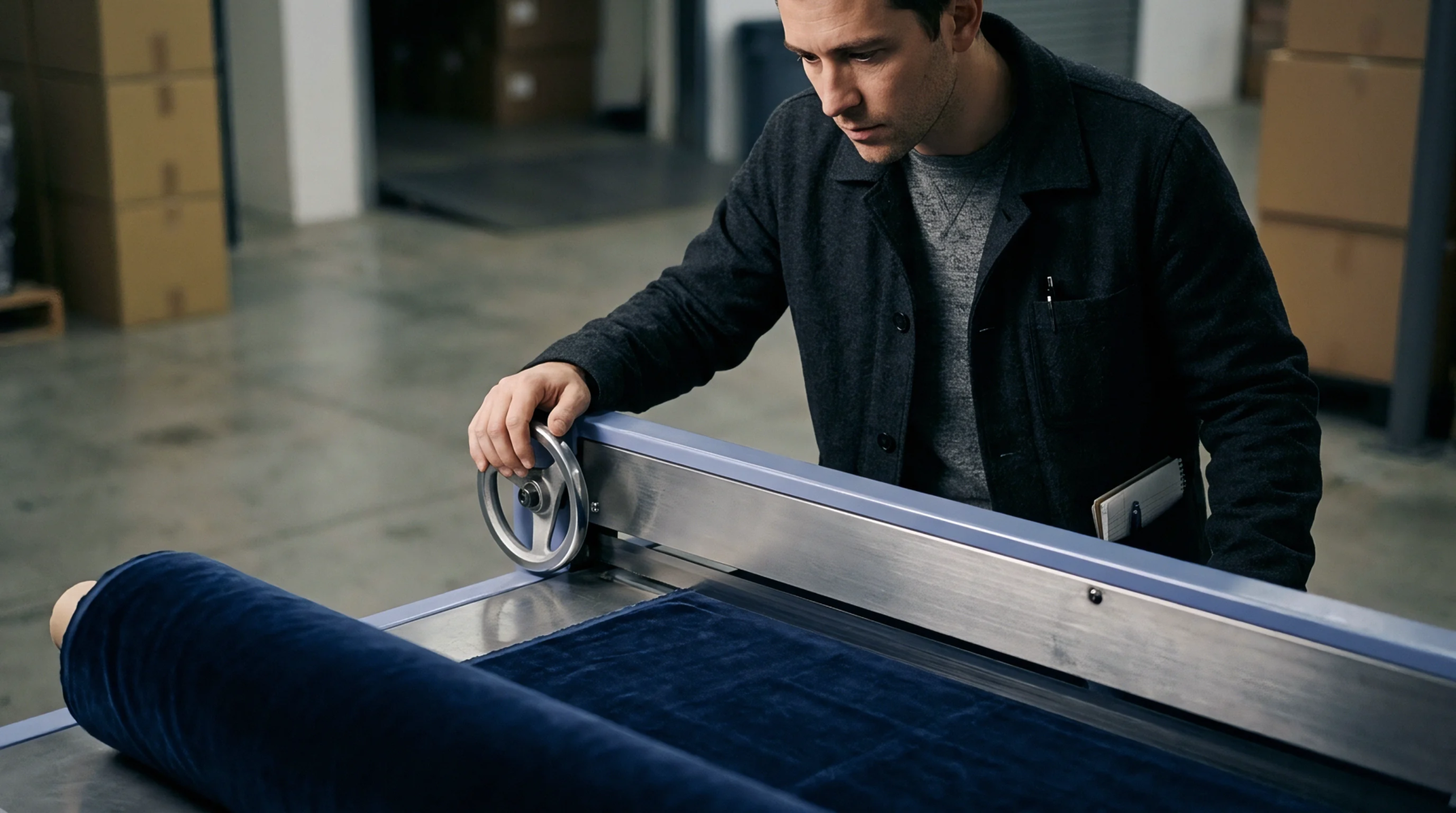
Batch consistency relies on maintaining the precise weight ratio between the dry textile and the processing liquid. When mills maintain liquor ratio stability, the dye molecules migrate evenly into the fiber. This even migration produces uniform color.
Water Conservation
Water conservation initiatives in modern dye houses focus on reducing the total volume of effluent generated per kilogram of fabric. By monitoring liquor ratio stability across different machine loads, operators can minimize water and steam consumption without risking uneven dye uptake. This practice improves resource efficiency.
Evaporation Compensation
Mechanical and environmental factors such as steam condensation and fabric water retention can alter the active bath volume. If liquor ratio stability is lost due to uncontrolled direct steam injection, the bath dilutes and reduces the exhaustion rate of reactive dyes. This dilution results in lighter shades that fail to meet color standards.
To prevent this issue, mills utilize heat exchangers rather than direct steam for heating the dye bath. Automated level sensors must also monitor the dye vessel continuously to adjust for water loss from evaporation.