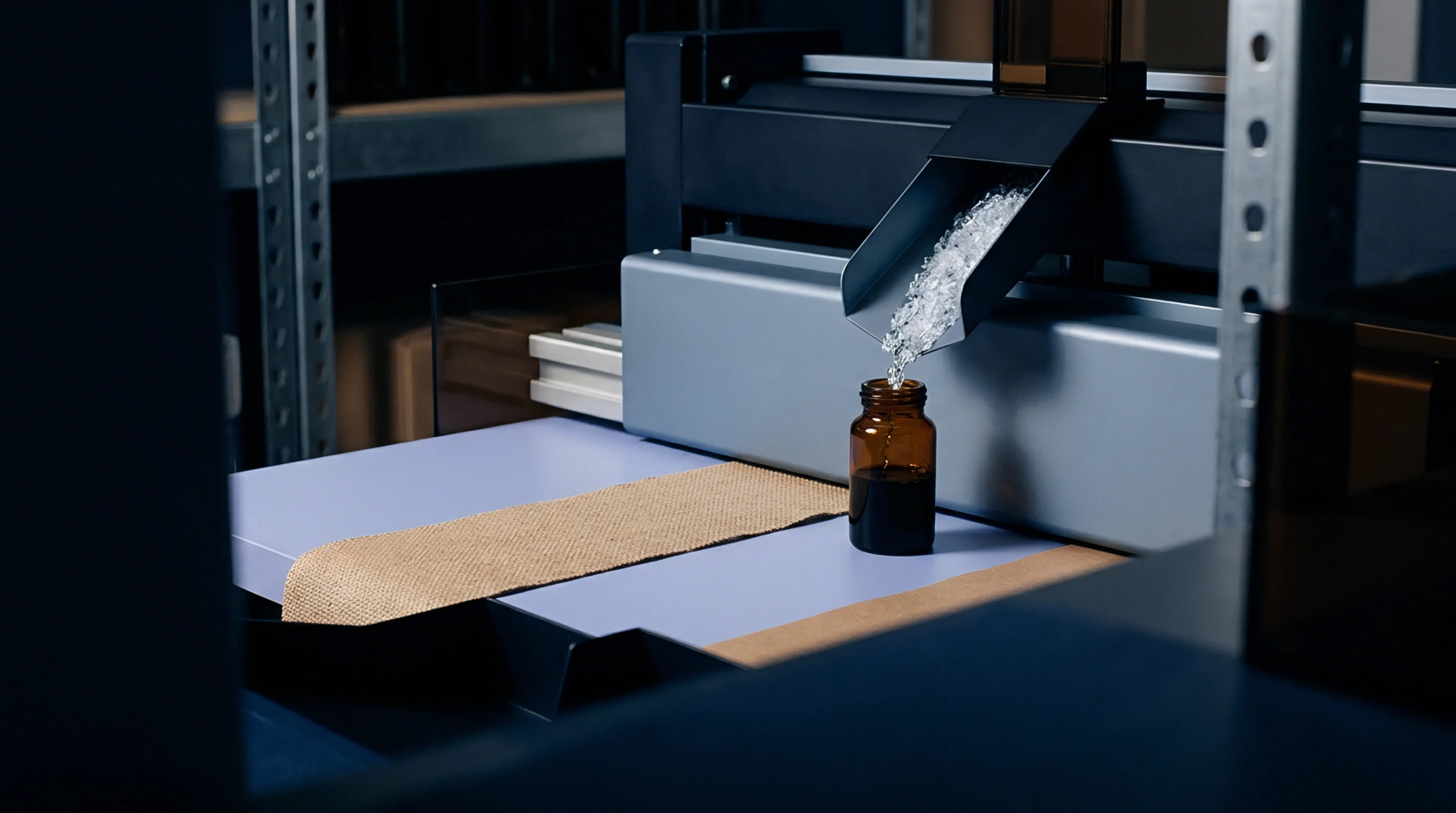
Thermosetting Polymer
Chemical modification of fabric surfaces to impart stiffness, water repellency, or flame resistance is often achieved using durable amino resins. In textile finishing, melamine formaldehyde resin is applied to synthetic and blended fabrics to produce durable, high-performance finishes. The cured resin forms a highly cross-linked network that is resistant to water, heat, and organic solvents.
Crosslinking Mechanism
High-temperature curing initiates a reaction between the methylol groups of the pre-polymer and the active groups on the fibre surface. This reaction creates a rigid three-dimensional thermoset structure that locked the finish in place. The polymerization requires an acidic catalyst and temperatures exceeding one hundred and fifty degrees Celsius.
Finishing Application
Padding and curing of this resin is widely used for industrial textiles, tenting, and upholstery fabrics to provide structural body and durable stiffness. While the resin offers excellent durability to multiple wash cycles, it releases small amounts of formaldehyde during curing and storage. Mill managers must monitor ventilation and exhaust air in the finishing department to comply with safety limits for factory workers.
Industrial Limitation
Application of this resin is restricted to industrial or outdoor fabrics where skin contact is minimal. The finish does not apply to soft next-to-skin infant garments due to formaldehyde emissions. It remains a durable finishing option for high-wear technical textiles.