Analytical Technique
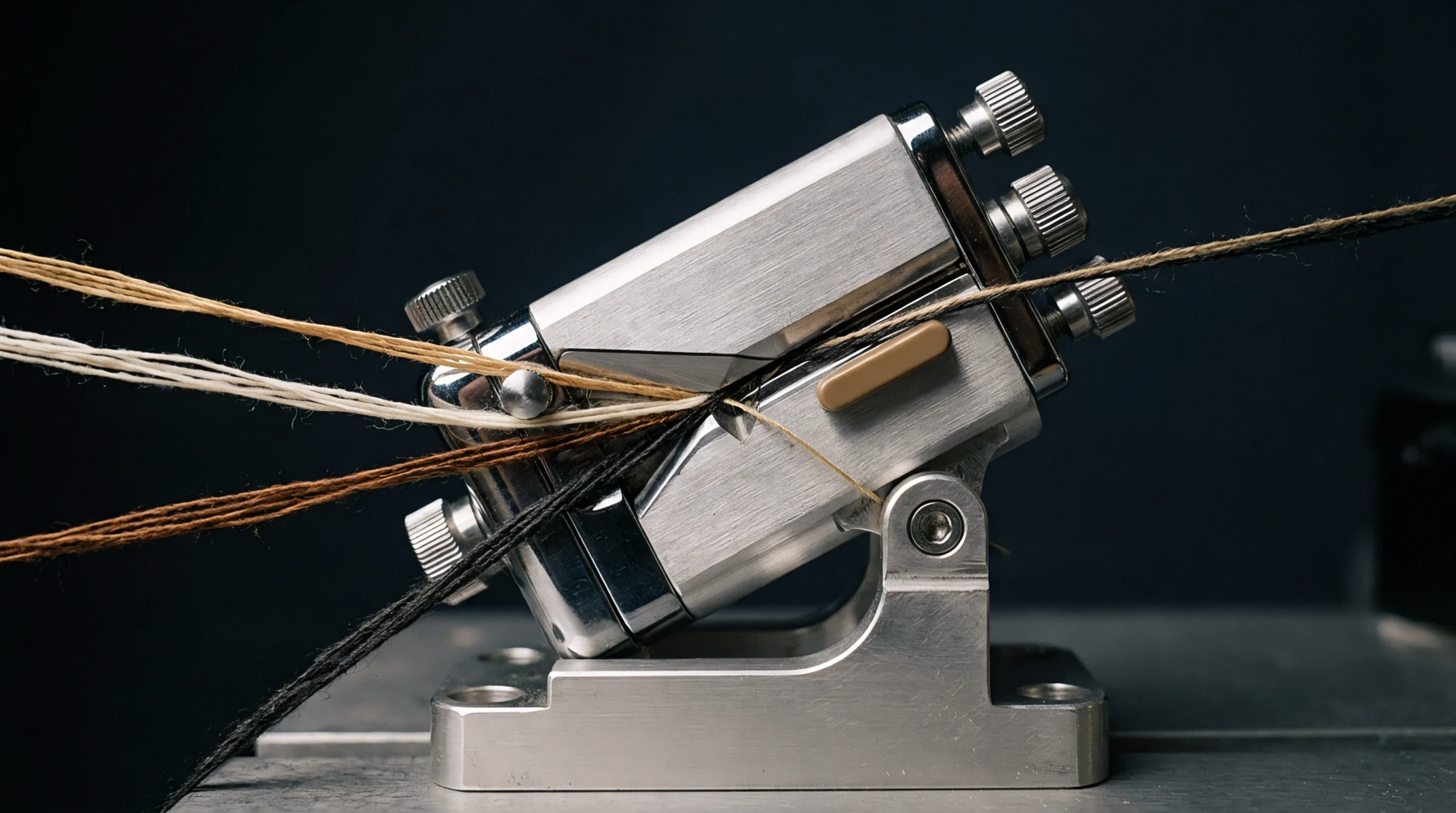
The measurement of light absorption and reflection on microscopic samples allows for the forensic identification of individual dyed fibres. In a textile laboratory, microspectrophotometry combines a microscope with a spectrophotometer to isolate and analyze the color profile of a single filament without interference from the surrounding yarn. This method is particularly useful for verifying the consistency of multi-component blends or identifying contaminants in a finished piece of cloth.
It provides a non-destructive way to examine historical textiles or expensive prototype fabrics.
Spectral Accuracy
By focusing on a target area as small as a few micrometers, the equipment can generate a precise spectral curve for a single point. Microspectrophotometry enables the comparison of dye shades between different production lots even when only a tiny fragment of material is available. This high level of precision helps in identifying subtle differences in dye penetration and chemical distribution within the fibre cross-section.
Testing Boundary
The technique requires careful sample preparation to ensure that the filament is flat and free of surface dust. While microspectrophotometry is excellent for color matching and pigment identification, it cannot determine the chemical composition of the base polymer on its own. It is most effective when used alongside other analytical methods to provide a complete picture of the material properties.
Quality Control
Mills use these findings to troubleshoot problems with unlevel dyeing. This objective data is essential for maintaining strict color tolerances.