Production Adherence
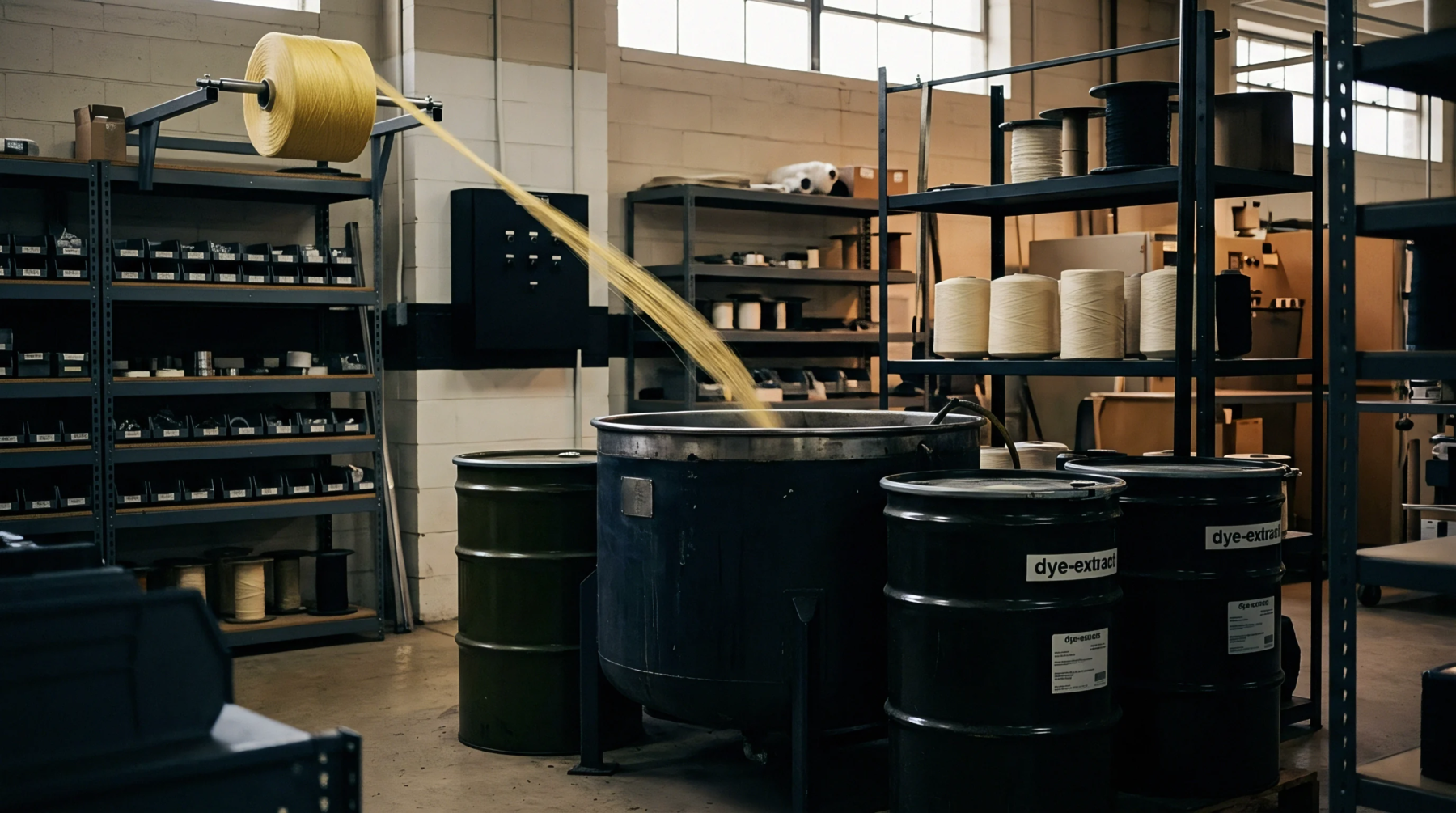
Operational verification at the manufacturing site confirms that day-to-day output matches the technical specifications agreed upon during contract negotiation. Mill-floor compliance serves as a bridge between high-level quality documentation and the physical reality of the output. Auditors monitor individual looms and chemical treatment baths to identify deviations from standard operating procedures.
Consistent performance depends on the alignment of machinery settings with the master sample file.
Verification Protocol
Quality managers extract random physical samples from the production line to measure mass per unit area and dimensional stability. This mill-floor compliance activity requires active comparison against the reference swatch kept on the factory floor. Inspectors record weight variations and color fastness across multiple batches to verify consistent output quality.
Workers adjust heat set temperatures or tension controls whenever measurements stray outside the allowed tolerance range. Rigorous testing identifies mechanical wear or calibration drift before damaged inventory reaches the packing stage.
Compliance Boundary
These checks apply exclusively to goods in active production status within the facility gates. Mill-floor compliance stops once the finished textile enters the logistics chain for external transport. Independent laboratories assume responsibility for product certification after the mill signs off on its internal inspection log.
Raw material verification remains a separate task handled during warehouse intake procedures. Final acceptance depends on the degree to which these manufacturing controls demonstrate stability during the entire production run.
Risk Consequence
Deviations in process parameters frequently lead to batch rejection and increased waste of raw fibers. Poor mill-floor compliance results in long delays when finished goods fail to meet international standards for fabric integrity. Suppliers bear the financial loss of re-processing costs while delivery timelines suffer from the inevitable production halt.
Tight control over these variables prevents systemic failure across the supply chain. Precise monitoring of each production stage maintains the commercial viability of the manufacturing partnership.