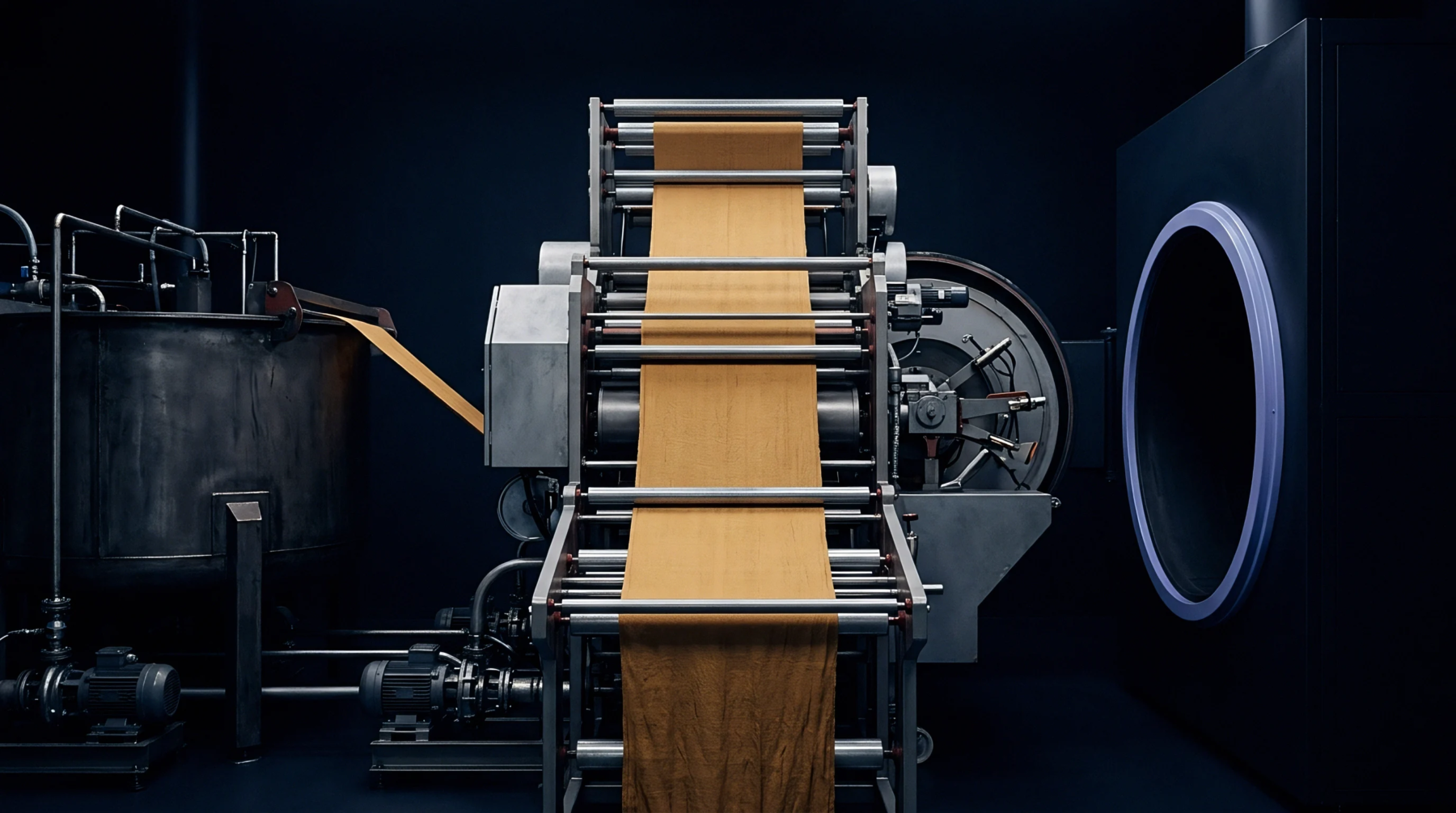
Coating Precision
Perforated nickel screen mesh functions as the primary transfer medium in rotary screen printing ranges for applying high viscosity pigment pastes onto woven and knitted textile substrates. Engraved apertures determine the exact volumetric delivery of print formulation per square metre, controlling penetration depth and edge definition during continuous yardage processing. Mill operators mount cylindrical screens onto magnetic squeegee beds where internal doctor blades force liquid colorants through open electroformed areas directly onto moving fabric webs.
Aperture Geometry
Hexagonal and square hole configurations dictate the physical sizing parameters of nickel screen mesh variants across various mesh counts ranging from forty mesh to one hundred twenty-five mesh specifications. Open area percentages determine total paste flow capacity, which directly influences color yield and fine line resolution on difficult synthetic grounds. Manufacturing tolerances demand strict uniformity in wall thickness across the entire circumference of the cylinder to prevent striped printing defects during high speed production runs.
Tension Stability
Cylindrical printing screens require precise circumferential stability to withstand continuous mechanical stress exerted by internal squeegee pressure and end ring mounting assemblies during printing operations. Nickel electroforming processes impart high tensile strength and elastic recovery characteristics, preventing permanent deformation under radial loads exerted by the printing carriage. End rings glued to both extremities of the perforated cylinder maintain concentricity within tolerances required for multi-color pattern registration on long printing tables.
Corrosion Resistance
Chemical durability determines the operational lifespan of nickel screen mesh when exposed to aggressive printing pastes containing organic solvents, caustic thickeners and reactive dye chemicals. Passivated nickel surfaces resist oxidation and chemical degradation, maintaining original aperture dimensions over repeated cleaning cycles involving alkaline wash baths and ultrasonic stripping tanks. Production managers evaluate screen durability by monitoring weight loss percentages after standardized chemical exposure tests performed in mill laboratories prior to bulk purchasing decisions.