Phase Transition
Atmospheric phase transitions occur inside metal shipping units when internal air temperatures drop below the saturation point. Ocean container condensation forms as liquid water on the ceiling and walls, often referred to as container rain. This phenomenon results from the release of moisture held within the cargo or the wooden flooring of the unit.
Moisture enters the air as vapor during warm periods and then converts to liquid when it hits a cold surface.
Dew Point
Point of dew formation drives the creation of these droplets during the transition between day and night. When the sun heats the exterior, the air inside holds more vapor. As night falls, the cooling metal causes the ocean container condensation to drip onto the stacked boxes.
Cargo Damage
Damage results in water spots, mold, odor, and weakened corrugated packaging. Textiles are highly hygroscopic and absorb the liquid that falls from the container roof. This saturation leads to permanent staining or odor issues in the finished garments.
Preventative Barrier
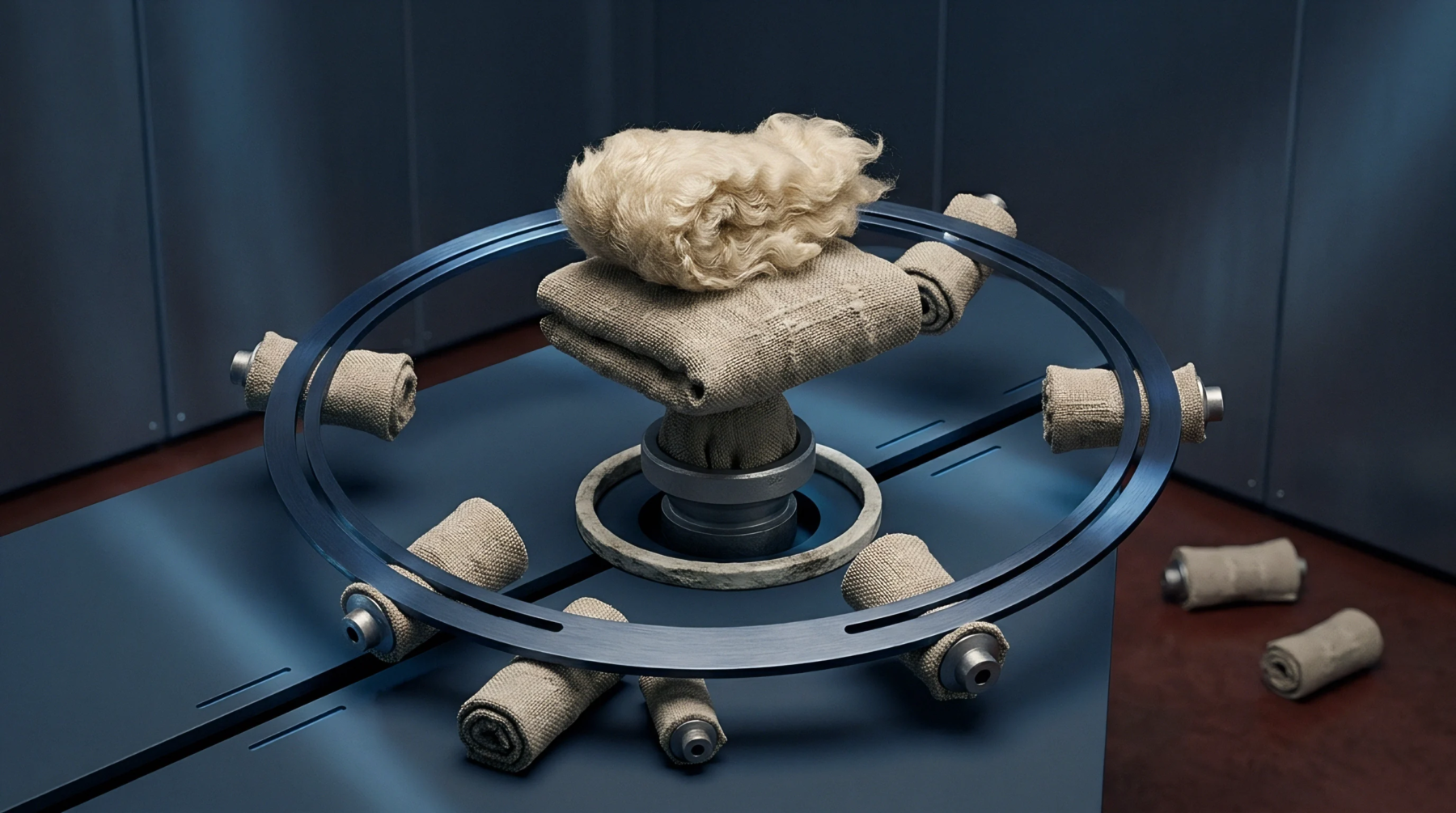
Barriers include the use of moisture-absorbing poles or thermal liners. These tools intercept the vapor before it can transition into a liquid state. Dry loading practices ensure the initial moisture load is low enough to prevent heavy condensation.