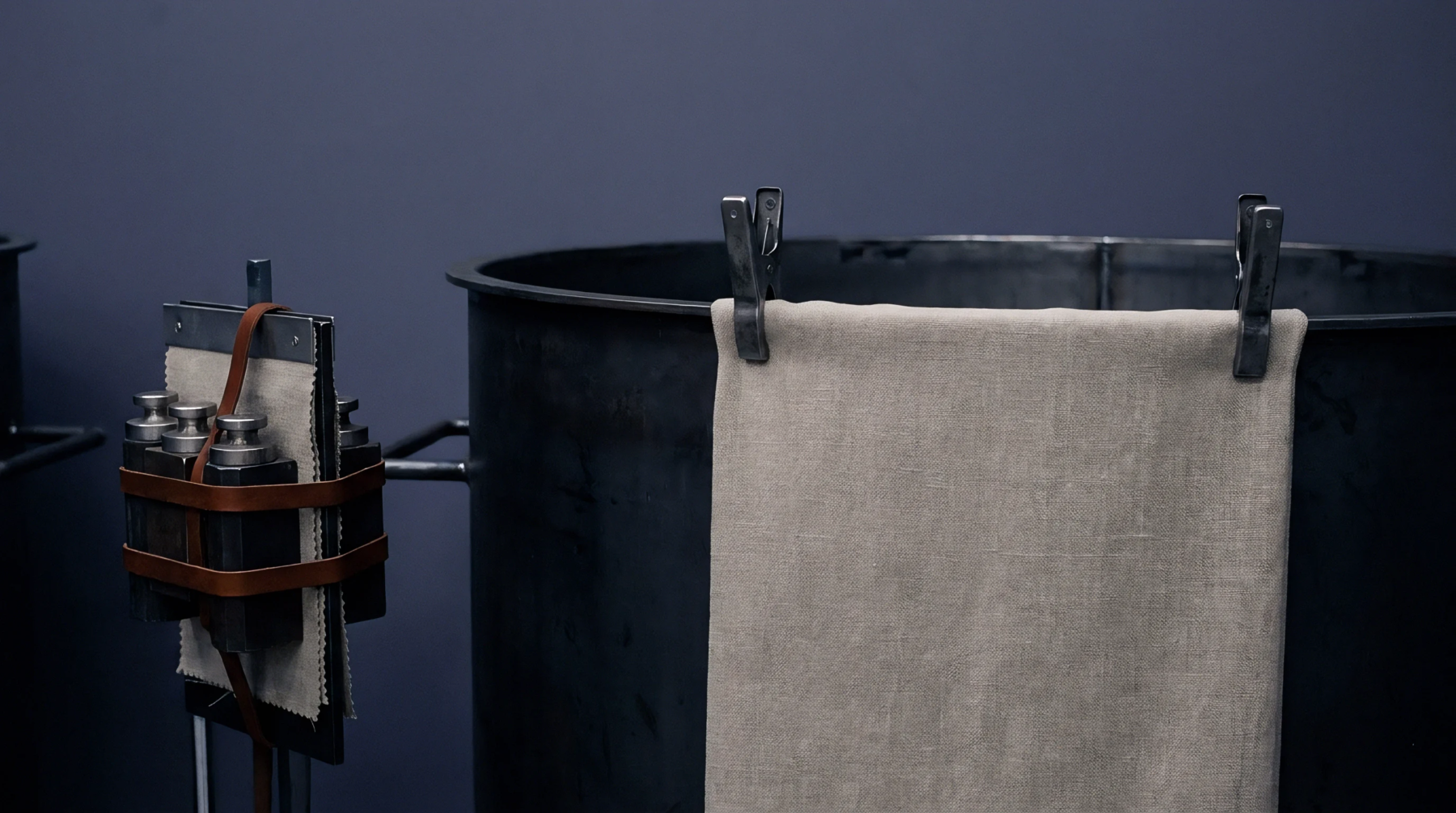
Dyeing Machinery
Vertical processing chambers known as the overflow vessel facilitate the low tension dyeing of sensitive knitted fabrics by utilizing an aqueous stream to transport the material. The overflow vessel differs from jet machines by relying on the force of overflowing liquor from a weir rather than a high pressure nozzle to push the fabric through the cycle. This gentler movement prevents the surface damage and stretch that typically affect high quality jerseys and cotton interlock goods.
It consists of a large main tank, a winch for guiding the cloth rope and a circulation pump that maintains the constant cascade of water. By submerging the fabric completely during each cycle, it avoids contact with harsh metal edges and reduces the risk of entanglement.
Tension Reduction
Smooth transport happens when the liquor velocity matches the winch speed so the fabric floats naturally within the pipework. The mechanism of the overflow vessel involves a cascading top slot where the dye solution falls into a horizontal tube, carrying the fabric forward inside the moving liquid. Because the liquid moves the cloth rather than a motorized clamp, the internal stress on the yarn is kept to a minimum.
This is vital for knitwear where pulling on the loops leads to permanent length distortions and spirality. Within the tank, the fabric sits in a loose pile at the bottom before being picked up again by the winch for the next circuit. Continuous filtration keeps the bath free of lint which prevents the clogging of the overflow slot and ensures an even distribution of heat.
Adjusting the pump speed allows the dyer to handle various fabric weights from light voile to thick terry cloth without changing machine parts.
Operational Efficiency
Batch consistency relies on the accurate control of the liquor ratio inside the chamber. During use of an overflow vessel, the mill benefits from a higher volume of liquid which acts as a thermal buffer and ensures consistent pH throughout the process. This larger volume also makes it easier to dissolve large amounts of salt or reactive chemicals compared to ultra low liquor ranges.
While it consumes more water per kilo than modern jets, the resulting lack of bruises or crease marks often makes it more profitable for high end retail goods. Mill teams monitor the cycle time of the cloth rope to determine if the pump is maintaining the necessary turnover. If the cloth moves too slowly, the cooling will be uneven and potentially lead to patchy colour spots.
Records of vessel number and batch code provide clear data for quality tracking. Trust in this machinery type comes from its proven ability to handle a wide range of sensitive textures without mechanical failure.
Functional Limit
Size constraints exist for these units, typically topping out at four hundred kilos per vessel to ensure the fabric remains reachable for manual intervention if a knot occurs. While an overflow vessel is excellent for delicates, its water usage can be a liability in regions with strict environmental targets. It is also not suitable for materials that need high velocity impact to achieve dye penetration into dense structures.
Final verification involves checking for the absence of winch burns on the processed rolls.