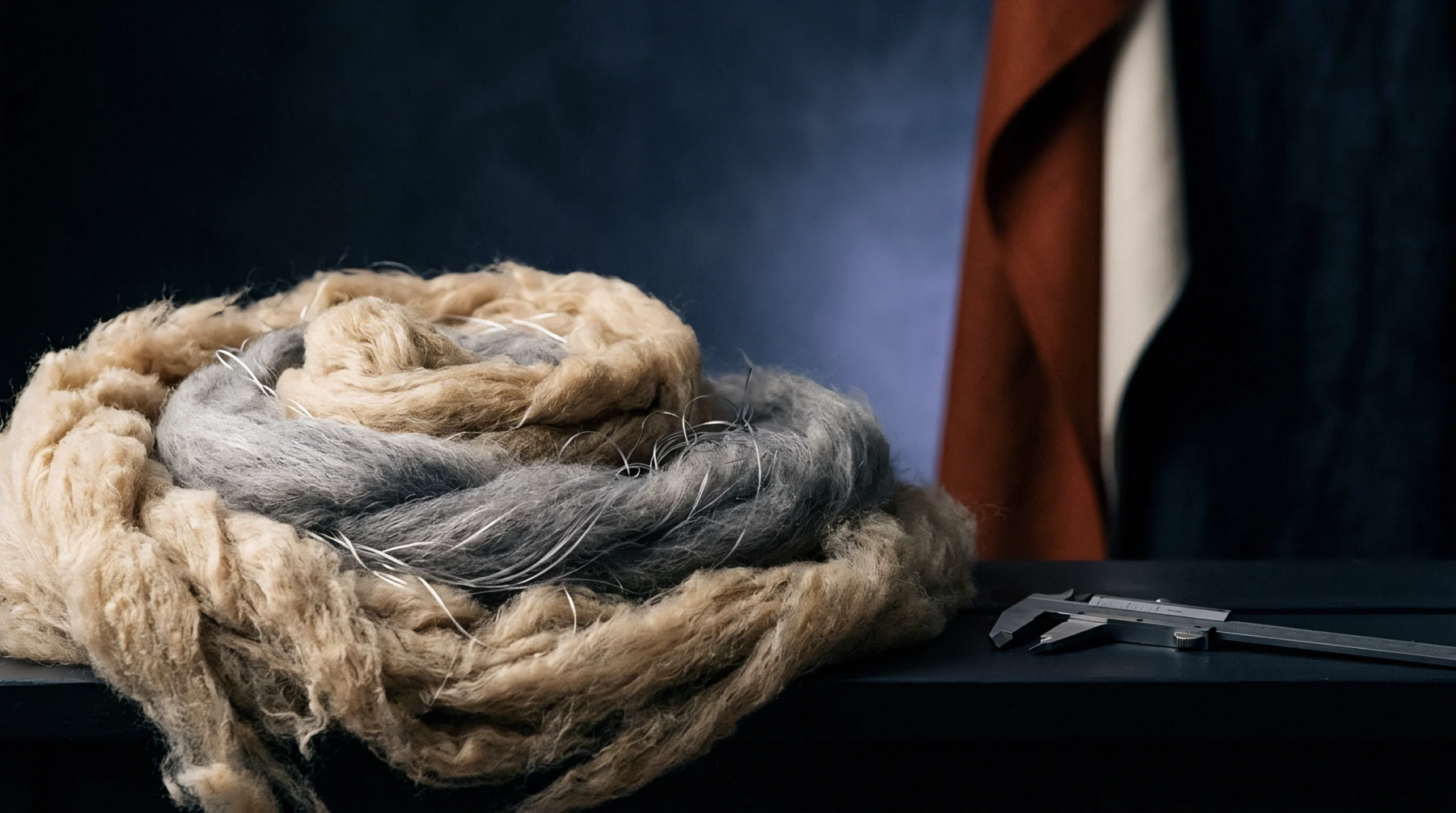
Yarn Lubrication
Lubricating agents applied during yarn spinning and winding facilitate high-speed knitting but must be removed before chemical finishing. This paraffin wax residue left on grey fabric causes issues during the wet processing phase. The wax forms a barrier on the fiber that prevents the absorption of water and chemicals.
Finishing mills must wash the fabric to remove these residues before dye application.
Fabric Dyeing
Uneven dye distribution and light spots are common defects when oils and waxes remain on the fabric surface. The presence of paraffin wax residue creates hydrophobic regions where water-based dyes cannot penetrate the cotton fiber. This leads to patchy color and weak dye fastness on the finished garments.
Proper scouring and bleaching removes the grease to ensure uniform fabric coloration.
Chemical Extraction
Solvent extraction using petroleum ether or hexane measures the amount of wax left on the textile material. Determining the levels of paraffin wax residue involves boiling the fabric sample in a Soxhlet extractor for several hours. The solvent is then evaporated to weigh the remaining wax to calculate the weight percentage.
High percentages indicate incomplete washing of the fabric during the preparation stage.
Quality Inspection
In-line testing of the fabric during preparation ensures that all wax is removed before the dyeing machines are loaded. If paraffin wax residue is found to exceed point five percent of the fabric weight, the batch must be returned to the scouring stage. This verification process prevents costly dye defects and reworks in the dyehouse.
The shipment is only approved for dyeing after passing this extraction check. When the extraction test is passed, the dyehouse manager can proceed with confidence, knowing the dye uptake will be uniform across the entire fabric lot.