Spinning Intermediate
Synthetic filament production requires a cooling cycle that halts molecular alignment before total crystalline structure forms to generate a flexible intermediary state. The material known as partially oriented yarn exists in this state as a result of winding speeds lower than those applied during full draw procedures. Fibres produced at these lower tensions possess enough internal mobility to allow for secondary processing steps such as texturing or drawing without suffering from immediate breakage.
Manufacturers supply these bundles to spinning mills where the transformation into finished hosiery or apparel goods begins.
Process Stability
High speed winding during the primary extrusion stage defines the final draw ratio of the polymer. Maintaining consistent thermal profiles throughout the extrusion zones prevents uneven crystallinity that would create defects in later stages. Operators adjust winding velocity to match the target tenacity and elongation properties required for downstream applications.
Variations in cooling air flow around the quenching chimney alter the rate of solidification and produce fluctuations in yarn denier. Precise control over these conditions ensures that the filament diameter stays within acceptable tolerances for global trade.
Material Performance
Mechanical properties distinguish these filaments from fully drawn yarns or staple fibres. The lower degree of molecular orientation provides an elongation capacity that assists in crimping or false twist texturing operations. Strength levels remain moderate because the polymer chains lack the rigid parallel alignment found in high tenacity industrial products.
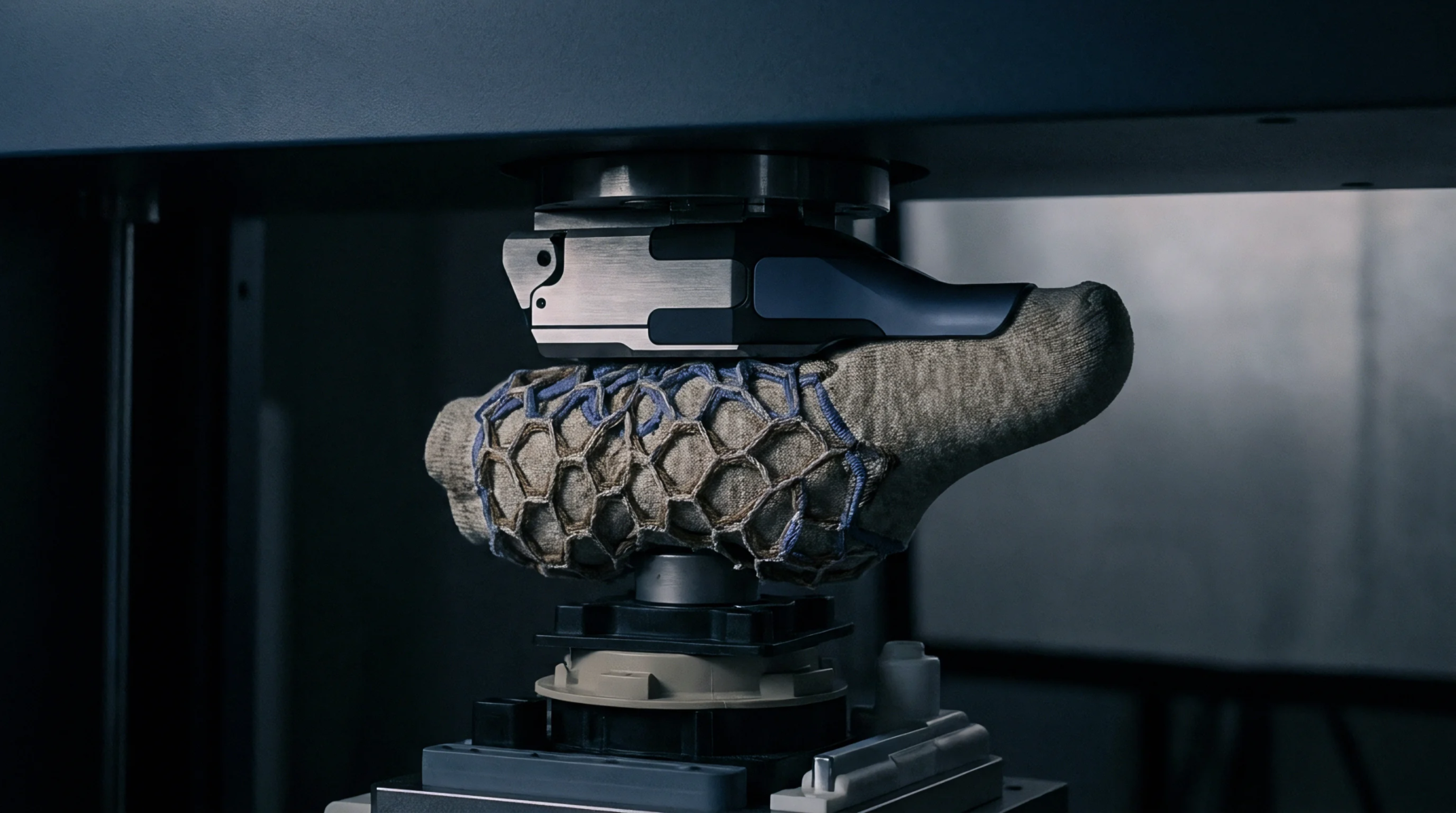
Testing methods for this commodity focus on draw tension and percentage elongation rather than just absolute breaking force. Technicians measure these attributes using standardized laboratory equipment to confirm suitability for high volume looms. A fibre property defined by this specific orientation level governs how well the filament accepts dye during later wet processing.
Commercial Verification
Quality control managers verify the integrity of shipments by auditing the winding tension logs from the extrusion site. Inspectors check the package density and uniform appearance of the bobbin to avoid winding accidents during high speed unspooling. Any departure from the established target limits for birefringence or draw ratio triggers a review of the extrusion temperature profiles.
Factories avoid mixing batches with different orientation levels because differences in chemical reactivity lead to streaks in finished fabrics. Standardized testing protocols exist to ensure the consistency of the polymer supply across different production cycles. The measured elongation of the yarn provides a reliable predictor of the bulk density achievable in finished polyester fabric.